Diagnostic-Medical Radiographer

Summary

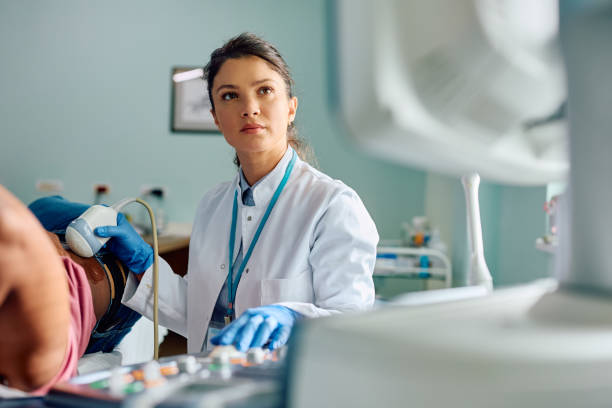
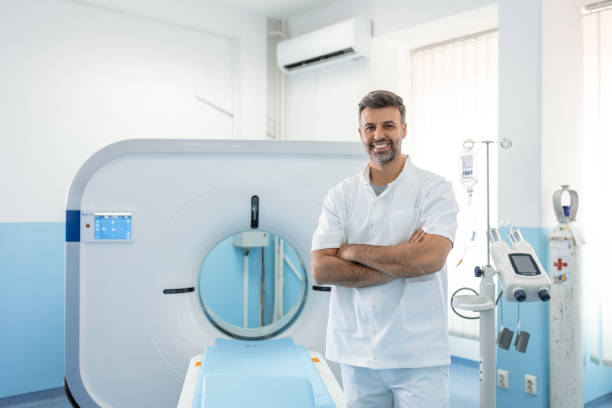
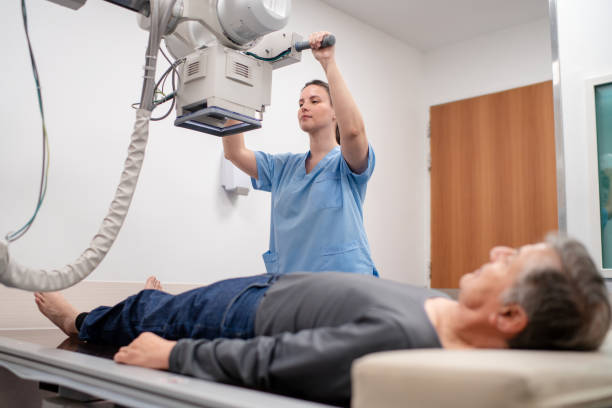
A Diagnostic Medical Radiographer, often referred to as a Radiologic Technologist, is a healthcare professional who specializes in using imaging equipment such as X-ray machines, CT scanners, and MRI systems to create detailed images of the body&#...

Share :
✨ Radial Mind Map - Diagnostic-Medical Radiographer
Nodes arranged in concentric circles

Loading radial mind map...

Overview

A Diagnostic Medical Radiographer, often referred to as a Radiologic Technologist, is a healthcare professional who specializes in using imaging equipment such as X-ray machines, CT scanners, and MRI systems to create detailed images of the body’s internal structures. These images assist physicians in diagnosing and treating medical conditions. Working in environments like hospitals, clinics, and diagnostic imaging centers, they collaborate with radiologists and other medical staff to ensure accurate and safe imaging procedures. Diagnostic Medical Radiographers are crucial in modern healthcare, providing essential diagnostic data that supports early detection, precise medical interventions, and improved patient outcomes in an era where imaging technology is integral to medical advancements.
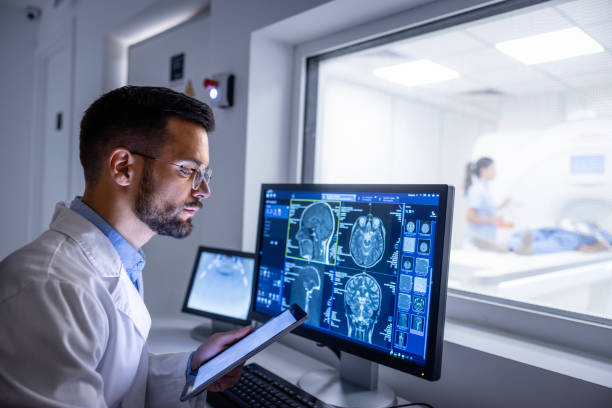
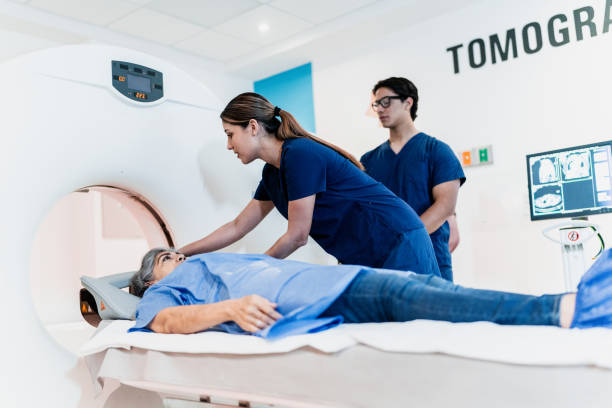
Diagnostic Medical Radiographers are trained experts responsible for performing a variety of imaging procedures, ensuring patient safety by adhering to radiation protection standards, and maintaining sophisticated imaging equipment. Their role includes preparing patients for scans, positioning them to obtain optimal images, and working closely with radiologists to analyze results. They combine technical proficiency with compassionate patient care, often serving as a reassuring presence during potentially stressful procedures. As key contributors to diagnostic accuracy, they enable timely medical decisions, playing an indispensable role in emergency care, routine screenings, and specialized treatments in a healthcare landscape increasingly reliant on advanced imaging for effective patient management.

Roles and Responsibilities

💼
Diagnostic-Medical Radiographer
Roles and Responsibilities
Diagnostic Imaging Procedures
Operate X-ray, CT, MRI, and other imaging equipment to produce detailed internal body images
Position patients correctly to capture high-quality, diagnostically useful images
Patient Safety and Preparation
Explain imaging procedures to patients, addressing concerns and ensuring understanding
Implement radiation safety protocols to minimize exposure risks for patients and staff
Equipment Operation and Maintenance
Calibrate and maintain imaging machines to ensure consistent performance and accuracy
Identify and troubleshoot equipment malfunctions, coordinating repairs as needed
Image Processing and Documentation
Process and evaluate images for quality before forwarding them to radiologists for interpretation
Maintain precise patient records and imaging data for medical and legal documentation
Collaboration with Medical Team
Work alongside radiologists to assist in image analysis and identification of abnormalities
Coordinate with physicians and nurses to integrate imaging results into patient care plans
Specialized Imaging Support
Conduct advanced imaging techniques such as fluoroscopy or mammography under guidance
Support interventional radiology procedures requiring real-time imaging assistance
Patient Care and Comfort
Offer emotional support to patients who may be anxious or uncomfortable during imaging
Ensure patient privacy and comfort throughout the scanning process and consultations
Community Education and Advocacy
Educate communities about the role of diagnostic imaging in healthcare and disease prevention
Advocate for radiation safety practices and access to imaging services in underserved areas
Scientific Foundation
: Knowledge of physics and biology is essential for grasping imaging principles and human anatomy.
Clinical Exposure
: Practical training during academic programs develops core skills in using imaging equipment.
Specialized Training
: Advanced certifications offer expertise in specific imaging modalities like CT or MRI.
Technical Proficiency
: Mastery of imaging systems and radiation safety protocols is vital for diagnostic precision.
Interdisciplinary Knowledge
: Understanding anatomy, pathology, and patient care improves service delivery.
Certification Importance
: Registration with paramedical or radiology councils is often required for legal practice.
Continuing Education
: Regular workshops or seminars are necessary to keep pace with imaging technology advancements.
Global Standards
: Compliance with international radiology guidelines enhances opportunities for global practice.
Patient Interaction
: Effective communication skills are critical for explaining procedures and alleviating patient anxiety.
Entrance Examination Success
: Certain programs may require entrance tests or specific qualifications for admission.
International Testing Requirements
: For international practice, exams like the American Registry of Radiologic Technologists (ARRT) certification may be mandatory.
Wilhelm Conrad Roentgen (Historical, Germany)
: Discovered X-rays in 1895, establishing the foundation for diagnostic radiography. His pioneering work transformed medical diagnostics. His legacy continues to influence the field worldwide.
Marie Curie (Historical, France/Poland)
: Advanced research on radioactivity since the late 1890s. Her mobile X-ray units during World War I saved numerous lives. Her contributions shape radiology practices globally.
Godfrey Hounsfield (Historical, UK)
: Invented the first CT scanner in the 1970s. His innovation revolutionized diagnostic imaging, defining the role of radiographers. His impact is evident in healthcare facilities worldwide.
Raymond Damadian (Historical, USA)
: Developed the first MRI scanner in the 1970s. His work introduced non-invasive imaging, guiding radiographers in advanced techniques. His contributions enhance medical diagnostics globally.
Dr. M. G. K. Menon (Historical, India)
: Renowned physicist and science administrator since the 1950s. His radiation research influenced radiology training in India. His efforts supported diagnostic advancements in the region.
Dr.KakarlaSubbarao (Contemporary, India)
: Eminent radiologist since the 1970s. As founder of Nizam’s Institute of Medical Sciences, Hyderabad, he shaped radiography education. His work elevated imaging standards in India.
Dr. Harsh Mahajan (Contemporary, India)
: Leader in diagnostic imaging since the 1980s. Founder of Mahajan Imaging, he pioneered advanced radiology in India, training numerous radiographers. His innovations impact healthcare nationwide.
Dr. Deepak Patkar (Contemporary, India)
: Expert in MRI and interventional radiology since the 1990s. Based in Mumbai, he influences radiographer training in cutting-edge imaging. His research enhances diagnostic precision in India.
Dr. Ian Donald (Historical, UK)
: Pioneer of diagnostic ultrasound since the 1950s. His introduction of non-invasive imaging shaped radiographer roles in ultrasonography. His contributions benefit global healthcare.
Dr. Barry Marshall (Contemporary, Australia)
: Nobel laureate for Helicobacter pylori research since the 1980s. His work intersects with imaging for gastrointestinal diagnostics, guiding radiographers. His discoveries improve patient outcomes worldwide.

Roles and Responsibilities

  • Diagnostic Imaging Procedures
    • Operate X-ray, CT, MRI, and other imaging equipment to produce detailed internal body images
    • Position patients correctly to capture high-quality, diagnostically useful images
  • Patient Safety and Preparation
    • Explain imaging procedures to patients, addressing concerns and ensuring understanding
    • Implement radiation safety protocols to minimize exposure risks for patients and staff
  • Equipment Operation and Maintenance
    • Calibrate and maintain imaging machines to ensure consistent performance and accuracy
    • Identify and troubleshoot equipment malfunctions, coordinating repairs as needed
  • Image Processing and Documentation
    • Process and evaluate images for quality before forwarding them to radiologists for interpretation
    • Maintain precise patient records and imaging data for medical and legal documentation
  • Collaboration with Medical Team
    • Work alongside radiologists to assist in image analysis and identification of abnormalities
    • Coordinate with physicians and nurses to integrate imaging results into patient care plans
  • Specialized Imaging Support
    • Conduct advanced imaging techniques such as fluoroscopy or mammography under guidance
    • Support interventional radiology procedures requiring real-time imaging assistance
  • Patient Care and Comfort
    • Offer emotional support to patients who may be anxious or uncomfortable during imaging
    • Ensure patient privacy and comfort throughout the scanning process and consultations
  • Community Education and Advocacy
    • Educate communities about the role of diagnostic imaging in healthcare and disease prevention
    • Advocate for radiation safety practices and access to imaging services in underserved areas


Study Route & Eligibility Criteria

RouteSteps
Route 1

1. 10+2 with Physics, Chemistry, Biology (PCB) or any stream 

2. Diploma in Radiology and Imaging Technology (1-2 years) 

3. Internship or clinical training (3-6 months) 

4. Practice as Diagnostic Medical Radiographer

Route 2

1. 10+2 with PCB or any stream 

2. Bachelor’s degree in Radiology and Imaging Technology (3-4 years) 

3. Hands-on training or internship 

4. Work as Diagnostic Medical Radiographer

Route 3

1. 10+2 with any stream 

2. Certificate Course in Radiology Technology (6 months-1 year) 

3. On-the-job training in diagnostic centers 

4. Practice in entry-level radiography roles

Route 4

1. 10+2 with PCB or any stream 

2. International training or degree in Radiologic Technology (2-4 years) 

3. Certification or licensure as per country regulations 

4. Practice abroad or in India


Significant Observations (Academic Related Points)

  • Scientific Foundation: Knowledge of physics and biology is essential for grasping imaging principles and human anatomy.
  • Clinical Exposure: Practical training during academic programs develops core skills in using imaging equipment.
  • Specialized Training: Advanced certifications offer expertise in specific imaging modalities like CT or MRI.
  • Technical Proficiency: Mastery of imaging systems and radiation safety protocols is vital for diagnostic precision.
  • Interdisciplinary Knowledge: Understanding anatomy, pathology, and patient care improves service delivery.
  • Certification Importance: Registration with paramedical or radiology councils is often required for legal practice.
  • Continuing Education: Regular workshops or seminars are necessary to keep pace with imaging technology advancements.
  • Global Standards: Compliance with international radiology guidelines enhances opportunities for global practice.
  • Patient Interaction: Effective communication skills are critical for explaining procedures and alleviating patient anxiety.
  • Entrance Examination Success: Certain programs may require entrance tests or specific qualifications for admission.
  • International Testing Requirements: For international practice, exams like the American Registry of Radiologic Technologists (ARRT) certification may be mandatory.


Internships & Practical Exposure

  • Mandatory clinical training during diploma or degree programs in hospitals or diagnostic centers
  • Rotations in radiology departments for hands-on experience with imaging equipment
  • Internships under senior radiographers for exposure to diverse imaging modalities
  • Observerships in specialized imaging centers for advanced procedure experience
  • Participation in community health screenings for mobile X-ray or diagnostic outreach
  • Training in radiation safety through real-world case studies and simulations
  • Exposure to patient positioning and image processing during internships
  • Clinical projects on imaging technology trends or safety protocols during training
  • Public health initiatives for promoting diagnostic awareness in underserved areas
  • International clinical attachments for global exposure to radiology practices


Courses & Specializations to Enter the Field

  • Diploma in Radiology and Imaging Technology
  • Bachelor’s in Radiology and Imaging Technology
  • Certificate Course in Radiography Technology
  • Training in X-ray and Basic Imaging Techniques
  • Specialization in Computed Tomography (CT) Imaging
  • Certification in Magnetic Resonance Imaging (MRI)
  • Workshops on Radiation Safety and Protection
  • Training in Mammography and Breast Imaging
  • Specialization in Interventional Radiology Support
  • Certification in Ultrasound and Doppler Imaging


Top Institutes for Diagnostic Medical Radiographer Education (India)

InstituteCourse/ProgramOfficial Link
All India Institute of Medical Sciences (AIIMS), New DelhiDiploma in Radiology Technologyhttps://www.aiims.edu/
Christian Medical College (CMC), VelloreB.Sc. in Radiology & Imaging Technologyhttps://www.cmch-vellore.edu/
Tata Memorial Hospital, MumbaiDiploma in Radiology Technologyhttps://tmc.gov.in/
Apollo Hospitals Educational & Research Foundation, HyderabadRadiology Technician Traininghttps://www.apollohospitals.com/
Fortis Healthcare Training Institute, GurgaonRadiology and Imaging Courseshttps://www.fortishealthcare.com/
Manipal Academy of Higher Education, ManipalB.Sc. in Radiology & Imaging Technologyhttps://www.manipal.edu/
Jawaharlal Institute of Postgraduate Medical Education & Research (JIPMER), PuducherryRadiology Technology Courseshttps://www.jipmer.edu.in/
Amrita Institute of Medical Sciences, KochiDiploma in Radiology Technologyhttps://www.amrita.edu/
SRM Institute of Science and Technology, ChennaiB.Sc. in Radiology & Imaging Technologyhttps://www.srmist.edu.in/
Narayana Health Academy, BangaloreRadiology Technician Traininghttps://www.narayanahealth.org/


Top International Institutes

InstitutionCourseCountryOfficial Link
Johns Hopkins UniversityRadiologic Technology ProgramUSAhttps://www.hopkinsmedicine.org/
University of TorontoMedical Radiation Sciences ProgramCanadahttps://www.utoronto.ca/
University College London (UCL)Diagnostic Radiography ProgramUKhttps://www.ucl.ac.uk/
University of MelbourneBachelor of Biomedical Science (Radiography)Australiahttps://www.unimelb.edu.au/
Mayo Clinic College of Medicine and ScienceRadiologic Technology ProgramUSAhttps://www.mayo.edu/
University of AucklandMedical Imaging ProgramNew Zealandhttps://www.auckland.ac.nz/
King’s College LondonBSc (Hons) Diagnostic RadiographyUKhttps://www.kcl.ac.uk/
Monash UniversityBachelor of Radiography and Medical ImagingAustraliahttps://www.monash.edu/
University of British ColumbiaMedical Radiography ProgramCanadahttps://www.ubc.ca/
Cleveland ClinicRadiologic Technology TrainingUSAhttps://my.clevelandclinic.org/


Entrance Tests Required

India:

  • No standardized national entrance test for radiography courses; admission often based on merit or institute-specific criteria
  • National Eligibility cum Entrance Test (NEET-UG) for some paramedical or radiology bachelor’s programs
  • State-level paramedical entrance exams for diploma or degree admissions
  • University-specific entrance tests for radiology and imaging technology programs


International:

  • Specific entrance exams or prerequisites as per institute for radiography programs
  • Test of English as a Foreign Language (TOEFL) with a minimum score of 80-100 for non-native speakers
  • International English Language Testing System (IELTS) with a minimum score of 6.0-7.0
  • Pearson Test of English Academic (PTE Academic)
  • Duolingo English Test (accepted by some institutions)
  • Certification exams like the American Registry of Radiologic Technologists (ARRT) in the USA


Ideal Progressing Career Path

Trainee → Certified Diagnostic Medical Radiographer → Senior Diagnostic Medical Radiographer → Radiologic Technologist → Radiology Supervisor/Lead Radiographer → Radiology Program Manager/Educator → Radiology Department Head → Clinical Imaging Consultant


Major Areas of Employment

  • Hospitals for diagnostic imaging and emergency radiology
  • Diagnostic imaging centers for specialized scans like CT and MRI
  • Private clinics for routine imaging and patient assessments
  • Government health programs for community diagnostic services
  • Rehabilitation centers for imaging support in injury recovery
  • Research institutes for studies on imaging technology and safety
  • Telemedicine platforms for remote image analysis and consultation
  • Academic institutions for training future diagnostic medical radiographers
  • Corporate health programs for employee diagnostic screenings
  • Mobile radiology units for outreach in rural or underserved areas


Prominent Employers

IndiaInternational
Apollo HospitalsMayo Clinic, USA
Fortis HealthcareJohns Hopkins Hospital, USA
Max HealthcareCleveland Clinic, USA
Narayana HealthToronto General Hospital, Canada
Manipal HospitalsRoyal Melbourne Hospital, Australia
Tata Memorial Hospital, MumbaiKing’s College Hospital, UK
AIIMS, New DelhiMassachusetts General Hospital, USA
Medanta - The Medicity, GurgaonSt. Thomas’ Hospital, UK
Kokilaben Dhirubhai Ambani Hospital, MumbaiUniversity of Chicago Medical Center, USA
Lilavati Hospital, MumbaiVancouver General Hospital, Canada


Pros and Cons of the Profession

ProsCons
Opportunity to play a key role in medical diagnosisPotential health risks from radiation exposure
High demand for imaging professionals in healthcarePhysically demanding with long hours of standing or patient positioning
Rewarding impact on patient treatment through diagnosticsEmotional strain from working with seriously ill patients
Diverse career paths across various imaging modalitiesRisk of burnout due to repetitive tasks and high patient volumes
Strong potential for growth with specialized certificationsLimited autonomy in making diagnostic decisions


Industry Trends and Future Outlook

  • Growing integration of AI and machine learning for automated image analysis and diagnostics
  • Rising demand for diagnostic medical radiographers due to increasing chronic diseases and aging populations
  • Advancements in imaging technology for improved resolution and faster scanning capabilities
  • Heightened focus on radiation safety protocols and dose reduction strategies
  • Expansion of telemedicine for remote imaging consultations and expert opinions
  • Development of portable imaging devices for emergency and rural healthcare settings
  • Increased emphasis on specialized imaging techniques like 3D mammography or PET scans
  • Enhanced collaboration between radiology teams and other medical specialties
  • Growing need for continuous training to master advanced imaging systems
  • Focus on global certification standards to align radiology practices internationally


Salary Expectations

Career LevelIndia (₹ per annum)International (USD per annum)
Trainee/Certified Diagnostic Medical Radiographer (Early Career)2,00,000 - 4,00,00030,000 - 40,000
Senior Diagnostic Medical Radiographer (Mid-Career)4,00,000 - 8,00,00040,000 - 60,000
Radiologic Technologist8,00,000 - 12,00,00060,000 - 80,000
Radiology Supervisor/Lead Radiographer12,00,000 - 18,00,00080,000 - 100,000
Radiology Program Manager/Educator18,00,000+100,000+

Note: Salaries vary based on location, experience, employer, and specialization. International figures are approximate and depend on the country and healthcare system.


Key Software Tools

  • Picture Archiving and Communication System (PACS) for storing and accessing images
  • Radiology Information System (RIS) for managing patient data and scheduling
  • Digital Imaging and Communications in Medicine (DICOM) software for image processing
  • Telehealth platforms like Zoom for remote radiology consultations
  • Imaging equipment software for operating CT, MRI, and X-ray systems
  • Research databases like PubMed for staying updated on radiology studies
  • Microsoft Office Suite for documentation and training material preparation
  • Secure messaging tools for coordinating with radiology teams
  • Dose monitoring software for tracking radiation exposure
  • AI-based diagnostic tools for assisting in image interpretation


Professional Organizations and Networks

  • American Registry of Radiologic Technologists (ARRT)
  • Radiological Society of North America (RSNA)
  • Indian Radiological and Imaging Association (IRIA)
  • Society of Radiographers (SoR, UK)
  • Canadian Association of Medical Radiation Technologists (CAMRT)
  • Australian Society of Medical Imaging and Radiation Therapy (ASMIRT)
  • European Society of Radiology (ESR)
  • World Federation of Radiology and Imaging (WFRI)
  • Association of Radiology Technologists of India (ARTI)
  • International Society of Radiographers and Radiological Technologists (ISRRT)


Notable Diagnostic Medical Radiographers and Industry Leaders (Top 10)

  • Wilhelm Conrad Roentgen (Historical, Germany): Discovered X-rays in 1895, establishing the foundation for diagnostic radiography. His pioneering work transformed medical diagnostics. His legacy continues to influence the field worldwide.
     
  • Marie Curie (Historical, France/Poland): Advanced research on radioactivity since the late 1890s. Her mobile X-ray units during World War I saved numerous lives. Her contributions shape radiology practices globally.
     
  • Godfrey Hounsfield (Historical, UK): Invented the first CT scanner in the 1970s. His innovation revolutionized diagnostic imaging, defining the role of radiographers. His impact is evident in healthcare facilities worldwide.
     
  • Raymond Damadian (Historical, USA): Developed the first MRI scanner in the 1970s. His work introduced non-invasive imaging, guiding radiographers in advanced techniques. His contributions enhance medical diagnostics globally.
     
  • Dr. M. G. K. Menon (Historical, India): Renowned physicist and science administrator since the 1950s. His radiation research influenced radiology training in India. His efforts supported diagnostic advancements in the region.
     
  • Dr.KakarlaSubbarao (Contemporary, India): Eminent radiologist since the 1970s. As founder of Nizam’s Institute of Medical Sciences, Hyderabad, he shaped radiography education. His work elevated imaging standards in India.
     
  • Dr. Harsh Mahajan (Contemporary, India): Leader in diagnostic imaging since the 1980s. Founder of Mahajan Imaging, he pioneered advanced radiology in India, training numerous radiographers. His innovations impact healthcare nationwide.
     
  • Dr. Deepak Patkar (Contemporary, India): Expert in MRI and interventional radiology since the 1990s. Based in Mumbai, he influences radiographer training in cutting-edge imaging. His research enhances diagnostic precision in India.
     
  • Dr. Ian Donald (Historical, UK): Pioneer of diagnostic ultrasound since the 1950s. His introduction of non-invasive imaging shaped radiographer roles in ultrasonography. His contributions benefit global healthcare.
     
  • Dr. Barry Marshall (Contemporary, Australia): Nobel laureate for Helicobacter pylori research since the 1980s. His work intersects with imaging for gastrointestinal diagnostics, guiding radiographers. His discoveries improve patient outcomes worldwide.
     

Advice for Aspiring Diagnostic Medical Radiographers

  • Build a strong foundation in physics and biology to understand imaging principles and human anatomy.
  • Seek early exposure to radiology through volunteer programs or observerships to confirm interest in the field.
  • Prepare thoroughly for entrance exams or certification requirements specific to your chosen program or region.
  • Pursue advanced certifications in modalities like CT or MRI to gain specialized expertise.
  • Stay updated on advancements in imaging technology by attending workshops and conferences.
  • Develop hands-on skills in operating imaging equipment through clinical training.
  • Engage in community health initiatives or mobile radiology units to build practical field experience.
  • Join professional associations like the American Registry of Radiologic Technologists (ARRT) for networking and resources.
  • Work on communication skills to explain imaging procedures and reassure patients effectively.
  • Explore international training programs for exposure to diverse radiology practices and standards.
  • Volunteer in hospitals or diagnostic centers to understand patient needs and build experience.
  • Cultivate empathy to support patients who may be anxious or in pain during imaging procedures.
  • Attend continuing education programs to stay abreast of evolving imaging technologies and safety protocols.
  • Build a network with radiologists and other healthcare providers for collaborative diagnostic care.
  • Develop resilience to handle the high-pressure and emotional demands of working with critically ill patients.
  • Balance clinical practice with continuous learning to adapt to rapid advancements in radiology.


A career as a Diagnostic Medical Radiographer offers a dynamic opportunity to serve at the forefront of diagnostic healthcare, providing critical imaging support that aids in the detection and treatment of medical conditions. From operating advanced equipment like X-ray and MRI machines to ensuring patient safety and comfort during scans, Diagnostic Medical Radiographers play a pivotal role in modern medical services. This field combines technical expertise, quick problem-solving, and a commitment to patient care, offering diverse paths in hospitals, diagnostic centers, and community outreach. For those passionate about contributing to accurate medical diagnoses and addressing the growing need for advanced imaging in an era of complex health challenges, a career as a Diagnostic Medical Radiographer provides an intellectually stimulating and professionally rewarding journey with the potential to make significant contributions to healthcare and society by enhancing the quality of diagnostic care worldwide.


Study Route & Eligibility Criteria

Study Route & Eligibility Criteria
Diagnostic-Medical Radiographer
Route 1
🎓
1
10+2 with Physics, Chemistry, Biology or any stream
🎓
2
Diploma in Radiology and Imaging Technology
1-2 years
💼
3
Internship or clinical training
3-6 months
💼
4
Practice as Diagnostic Medical Radiographer
Route 2
🎓
1
10+2 with PCB or any stream
🏛️
2
Bachelor’s degree in Radiology and Imaging Technology
3-4 years
💼
3
Hands-on training or internship
💼
4
Work as Diagnostic Medical Radiographer
Route 3
🎓
1
10+2 with any stream
📚
2
Certificate Course in Radiology Technology
📚
3
On-the-job training in diagnostic centers
💼
4
Practice in entry-level radiography roles
Route 4
🎓
1
10+2 with PCB or any stream
🏛️
2
International training or degree in Radiologic Technology
2-4 years
📚
3
Certification or licensure as per country regulations
💼
4
Practice abroad or in India
🎯 Diagnostic-Medical Radiographer - Professional

Significant Observations (Academic Related Points)

💡
Diagnostic-Medical Radiographer
Academic Related Points
1
Scientific Foundation
Knowledge of physics and biology is essential for grasping imaging principles and human anatomy.
2
Clinical Exposure
Practical training during academic programs develops core skills in using imaging equipment.
3
Specialized Training
Advanced certifications offer expertise in specific imaging modalities like CT or MRI.
4
Technical Proficiency
Mastery of imaging systems and radiation safety protocols is vital for diagnostic precision.
5
Interdisciplinary Knowledge
Understanding anatomy, pathology, and patient care improves service delivery.
6
Certification Importance
Registration with paramedical or radiology councils is often required for legal practice.
7
Continuing Education
Regular workshops or seminars are necessary to keep pace with imaging technology advancements.
8
Global Standards
Compliance with international radiology guidelines enhances opportunities for global practice.
9
Patient Interaction
Effective communication skills are critical for explaining procedures and alleviating patient anxiety.
10
Entrance Examination Success
Certain programs may require entrance tests or specific qualifications for admission.
11
International Testing Requirements
For international practice, exams like the American Registry of Radiologic Technologists (ARRT) certification may be mandatory.
12
Wilhelm Conrad Roentgen (Historical, Germany)
Discovered X-rays in 1895, establishing the foundation for diagnostic radiography. His pioneering work transformed medical diagnostics. His legacy continues to influence the field worldwide.
13
Marie Curie (Historical, France/Poland)
Advanced research on radioactivity since the late 1890s. Her mobile X-ray units during World War I saved numerous lives. Her contributions shape radiology practices globally.
14
Godfrey Hounsfield (Historical, UK)
Invented the first CT scanner in the 1970s. His innovation revolutionized diagnostic imaging, defining the role of radiographers. His impact is evident in healthcare facilities worldwide.
15
Raymond Damadian (Historical, USA)
Developed the first MRI scanner in the 1970s. His work introduced non-invasive imaging, guiding radiographers in advanced techniques. His contributions enhance medical diagnostics globally.
16
Dr. M. G. K. Menon (Historical, India)
Renowned physicist and science administrator since the 1950s. His radiation research influenced radiology training in India. His efforts supported diagnostic advancements in the region.
17
Dr.KakarlaSubbarao (Contemporary, India)
Eminent radiologist since the 1970s. As founder of Nizam’s Institute of Medical Sciences, Hyderabad, he shaped radiography education. His work elevated imaging standards in India.
18
Dr. Harsh Mahajan (Contemporary, India)
Leader in diagnostic imaging since the 1980s. Founder of Mahajan Imaging, he pioneered advanced radiology in India, training numerous radiographers. His innovations impact healthcare nationwide.
19
Dr. Deepak Patkar (Contemporary, India)
Expert in MRI and interventional radiology since the 1990s. Based in Mumbai, he influences radiographer training in cutting-edge imaging. His research enhances diagnostic precision in India.
20
Dr. Ian Donald (Historical, UK)
Pioneer of diagnostic ultrasound since the 1950s. His introduction of non-invasive imaging shaped radiographer roles in ultrasonography. His contributions benefit global healthcare.
21
Dr. Barry Marshall (Contemporary, Australia)
Nobel laureate for Helicobacter pylori research since the 1980s. His work intersects with imaging for gastrointestinal diagnostics, guiding radiographers. His discoveries improve patient outcomes worldwide.

Internships & Practical Exposure

💼
Diagnostic-Medical Radiographer
Internships & Practical Experience
1
Mandatory clinical training during diploma or degree programs in hospitals or diagnostic centers
2
Rotations in radiology departments for hands-on experience with imaging equipment
3
Internships under senior radiographers for exposure to diverse imaging modalities
4
Observerships in specialized imaging centers for advanced procedure experience
5
Participation in community health screenings for mobile X-ray or diagnostic outreach
6
Training in radiation safety through real-world case studies and simulations
7
Exposure to patient positioning and image processing during internships
8
Clinical projects on imaging technology trends or safety protocols during training
9
Public health initiatives for promoting diagnostic awareness in underserved areas
10
International clinical attachments for global exposure to radiology practices
11
Diploma in Radiology and Imaging Technology
12
Bachelor’s in Radiology and Imaging Technology
13
Certificate Course in Radiography Technology
14
Training in X-ray and Basic Imaging Techniques
15
Specialization in Computed Tomography (CT) Imaging
16
Certification in Magnetic Resonance Imaging (MRI)
17
Workshops on Radiation Safety and Protection
18
Training in Mammography and Breast Imaging
19
Specialization in Interventional Radiology Support
20
Certification in Ultrasound and Doppler Imaging
21
No standardized national entrance test for radiography courses; admission often based on merit or institute-specific criteria
22
National Eligibility cum Entrance Test (NEET-UG) for some paramedical or radiology bachelor’s programs
23
State-level paramedical entrance exams for diploma or degree admissions
24
University-specific entrance tests for radiology and imaging technology programs
25
Specific entrance exams or prerequisites as per institute for radiography programs
26
Test of English as a Foreign Language (TOEFL) with a minimum score of 80-100 for non-native speakers
27
International English Language Testing System (IELTS) with a minimum score of 6.0-7.0
28
Pearson Test of English Academic (PTE Academic)
29
Duolingo English Test (accepted by some institutions)
30
Certification exams like the American Registry of Radiologic Technologists (ARRT) in the USA
31
Hospitals for diagnostic imaging and emergency radiology
32
Diagnostic imaging centers for specialized scans like CT and MRI
33
Private clinics for routine imaging and patient assessments
34
Government health programs for community diagnostic services
35
Rehabilitation centers for imaging support in injury recovery
36
Research institutes for studies on imaging technology and safety
37
Telemedicine platforms for remote image analysis and consultation
38
Academic institutions for training future diagnostic medical radiographers
39
Corporate health programs for employee diagnostic screenings
40
Mobile radiology units for outreach in rural or underserved areas
41
Growing integration of AI and machine learning for automated image analysis and diagnostics
42
Rising demand for diagnostic medical radiographers due to increasing chronic diseases and aging populations
43
Advancements in imaging technology for improved resolution and faster scanning capabilities
44
Heightened focus on radiation safety protocols and dose reduction strategies
45
Expansion of telemedicine for remote imaging consultations and expert opinions
46
Development of portable imaging devices for emergency and rural healthcare settings
47
Increased emphasis on specialized imaging techniques like 3D mammography or PET scans
48
Enhanced collaboration between radiology teams and other medical specialties
49
Growing need for continuous training to master advanced imaging systems
50
Focus on global certification standards to align radiology practices internationally
51
Picture Archiving and Communication System (PACS) for storing and accessing images
52
Radiology Information System (RIS) for managing patient data and scheduling
53
Digital Imaging and Communications in Medicine (DICOM) software for image processing
54
Telehealth platforms like Zoom for remote radiology consultations
55
Imaging equipment software for operating CT, MRI, and X-ray systems
56
Research databases like PubMed for staying updated on radiology studies
57
Microsoft Office Suite for documentation and training material preparation
58
Secure messaging tools for coordinating with radiology teams
59
Dose monitoring software for tracking radiation exposure
60
AI-based diagnostic tools for assisting in image interpretation
61
American Registry of Radiologic Technologists (ARRT)
62
Radiological Society of North America (RSNA)
63
Indian Radiological and Imaging Association (IRIA)
64
Society of Radiographers (SoR, UK)
65
Canadian Association of Medical Radiation Technologists (CAMRT)
66
Australian Society of Medical Imaging and Radiation Therapy (ASMIRT)
67
European Society of Radiology (ESR)
68
World Federation of Radiology and Imaging (WFRI)
69
Association of Radiology Technologists of India (ARTI)
70
International Society of Radiographers and Radiological Technologists (ISRRT)
71
Wilhelm Conrad Roentgen (Historical, Germany): Discovered X-rays in 1895, establishing the foundation for diagnostic radiography. His pioneering work transformed medical diagnostics. His legacy continues to influence the field worldwide.
72
Marie Curie (Historical, France/Poland): Advanced research on radioactivity since the late 1890s. Her mobile X-ray units during World War I saved numerous lives. Her contributions shape radiology practices globally.
73
Godfrey Hounsfield (Historical, UK): Invented the first CT scanner in the 1970s. His innovation revolutionized diagnostic imaging, defining the role of radiographers. His impact is evident in healthcare facilities worldwide.
74
Raymond Damadian (Historical, USA): Developed the first MRI scanner in the 1970s. His work introduced non-invasive imaging, guiding radiographers in advanced techniques. His contributions enhance medical diagnostics globally.
75
Dr. M. G. K. Menon (Historical, India): Renowned physicist and science administrator since the 1950s. His radiation research influenced radiology training in India. His efforts supported diagnostic advancements in the region.
76
Dr.KakarlaSubbarao (Contemporary, India): Eminent radiologist since the 1970s. As founder of Nizam’s Institute of Medical Sciences, Hyderabad, he shaped radiography education. His work elevated imaging standards in India.
77
Dr. Harsh Mahajan (Contemporary, India): Leader in diagnostic imaging since the 1980s. Founder of Mahajan Imaging, he pioneered advanced radiology in India, training numerous radiographers. His innovations impact healthcare nationwide.
78
Dr. Deepak Patkar (Contemporary, India): Expert in MRI and interventional radiology since the 1990s. Based in Mumbai, he influences radiographer training in cutting-edge imaging. His research enhances diagnostic precision in India.
79
Dr. Ian Donald (Historical, UK): Pioneer of diagnostic ultrasound since the 1950s. His introduction of non-invasive imaging shaped radiographer roles in ultrasonography. His contributions benefit global healthcare.
80
Dr. Barry Marshall (Contemporary, Australia): Nobel laureate for Helicobacter pylori research since the 1980s. His work intersects with imaging for gastrointestinal diagnostics, guiding radiographers. His discoveries improve patient outcomes worldwide.
81
Build a strong foundation in physics and biology to understand imaging principles and human anatomy.
82
Seek early exposure to radiology through volunteer programs or observerships to confirm interest in the field.
83
Prepare thoroughly for entrance exams or certification requirements specific to your chosen program or region.
84
Pursue advanced certifications in modalities like CT or MRI to gain specialized expertise.
85
Stay updated on advancements in imaging technology by attending workshops and conferences.
86
Develop hands-on skills in operating imaging equipment through clinical training.
87
Engage in community health initiatives or mobile radiology units to build practical field experience.
88
Join professional associations like the American Registry of Radiologic Technologists (ARRT) for networking and resources.
89
Work on communication skills to explain imaging procedures and reassure patients effectively.
90
Explore international training programs for exposure to diverse radiology practices and standards.
91
Volunteer in hospitals or diagnostic centers to understand patient needs and build experience.
92
Cultivate empathy to support patients who may be anxious or in pain during imaging procedures.
93
Attend continuing education programs to stay abreast of evolving imaging technologies and safety protocols.
94
Build a network with radiologists and other healthcare providers for collaborative diagnostic care.
95
Develop resilience to handle the high-pressure and emotional demands of working with critically ill patients.
96
Balance clinical practice with continuous learning to adapt to rapid advancements in radiology.

Courses & Specializations to Enter the Field

📚
Diagnostic-Medical Radiographer
Courses & Specializations
📖
Diploma in Radiology and Imaging Technology
📖
Bachelor’s in Radiology and Imaging Technology
📖
Certificate Course in Radiography Technology
📖
Training in X-ray and Basic Imaging Techniques
📖
Specialization in Computed Tomography (CT) Imaging
📖
Certification in Magnetic Resonance Imaging (MRI)
📖
Workshops on Radiation Safety and Protection
📖
Training in Mammography and Breast Imaging
📖
Specialization in Interventional Radiology Support
📖
Certification in Ultrasound and Doppler Imaging
📖
No standardized national entrance test for radiography courses; admission often based on merit or institute-specific criteria
📖
National Eligibility cum Entrance Test (NEET-UG) for some paramedical or radiology bachelor’s programs
📖
State-level paramedical entrance exams for diploma or degree admissions
📖
University-specific entrance tests for radiology and imaging technology programs
📖
Specific entrance exams or prerequisites as per institute for radiography programs
📖
Test of English as a Foreign Language (TOEFL) with a minimum score of 80-100 for non-native speakers
📖
International English Language Testing System (IELTS) with a minimum score of 6.0-7.0
📖
Pearson Test of English Academic (PTE Academic)
📖
Duolingo English Test (accepted by some institutions)
📖
Certification exams like the American Registry of Radiologic Technologists (ARRT) in the USA
📖
Hospitals for diagnostic imaging and emergency radiology
📖
Diagnostic imaging centers for specialized scans like CT and MRI
📖
Private clinics for routine imaging and patient assessments
📖
Government health programs for community diagnostic services
📖
Rehabilitation centers for imaging support in injury recovery
📖
Research institutes for studies on imaging technology and safety
📖
Telemedicine platforms for remote image analysis and consultation
📖
Academic institutions for training future diagnostic medical radiographers
📖
Corporate health programs for employee diagnostic screenings
📖
Mobile radiology units for outreach in rural or underserved areas
📖
Growing integration of AI and machine learning for automated image analysis and diagnostics
📖
Rising demand for diagnostic medical radiographers due to increasing chronic diseases and aging populations
📖
Advancements in imaging technology for improved resolution and faster scanning capabilities
📖
Heightened focus on radiation safety protocols and dose reduction strategies
📖
Expansion of telemedicine for remote imaging consultations and expert opinions
📖
Development of portable imaging devices for emergency and rural healthcare settings
📖
Increased emphasis on specialized imaging techniques like 3D mammography or PET scans
📖
Enhanced collaboration between radiology teams and other medical specialties
📖
Growing need for continuous training to master advanced imaging systems
📖
Focus on global certification standards to align radiology practices internationally
📖
Picture Archiving and Communication System (PACS) for storing and accessing images
📖
Radiology Information System (RIS) for managing patient data and scheduling
📖
Digital Imaging and Communications in Medicine (DICOM) software for image processing
📖
Telehealth platforms like Zoom for remote radiology consultations
📖
Imaging equipment software for operating CT, MRI, and X-ray systems
📖
Research databases like PubMed for staying updated on radiology studies
📖
Microsoft Office Suite for documentation and training material preparation
📖
Secure messaging tools for coordinating with radiology teams
📖
Dose monitoring software for tracking radiation exposure
📖
AI-based diagnostic tools for assisting in image interpretation
📖
American Registry of Radiologic Technologists (ARRT)
📖
Radiological Society of North America (RSNA)
📖
Indian Radiological and Imaging Association (IRIA)
📖
Society of Radiographers (SoR, UK)
📖
Canadian Association of Medical Radiation Technologists (CAMRT)
📖
Australian Society of Medical Imaging and Radiation Therapy (ASMIRT)
📖
European Society of Radiology (ESR)
📖
World Federation of Radiology and Imaging (WFRI)
📖
Association of Radiology Technologists of India (ARTI)
📖
International Society of Radiographers and Radiological Technologists (ISRRT)
📖
Wilhelm Conrad Roentgen (Historical, Germany): Discovered X-rays in 1895, establishing the foundation for diagnostic radiography. His pioneering work transformed medical diagnostics. His legacy continues to influence the field worldwide.
📖
Marie Curie (Historical, France/Poland): Advanced research on radioactivity since the late 1890s. Her mobile X-ray units during World War I saved numerous lives. Her contributions shape radiology practices globally.
📖
Godfrey Hounsfield (Historical, UK): Invented the first CT scanner in the 1970s. His innovation revolutionized diagnostic imaging, defining the role of radiographers. His impact is evident in healthcare facilities worldwide.
📖
Raymond Damadian (Historical, USA): Developed the first MRI scanner in the 1970s. His work introduced non-invasive imaging, guiding radiographers in advanced techniques. His contributions enhance medical diagnostics globally.
📖
Dr. M. G. K. Menon (Historical, India): Renowned physicist and science administrator since the 1950s. His radiation research influenced radiology training in India. His efforts supported diagnostic advancements in the region.
📖
Dr.KakarlaSubbarao (Contemporary, India): Eminent radiologist since the 1970s. As founder of Nizam’s Institute of Medical Sciences, Hyderabad, he shaped radiography education. His work elevated imaging standards in India.
📖
Dr. Harsh Mahajan (Contemporary, India): Leader in diagnostic imaging since the 1980s. Founder of Mahajan Imaging, he pioneered advanced radiology in India, training numerous radiographers. His innovations impact healthcare nationwide.
📖
Dr. Deepak Patkar (Contemporary, India): Expert in MRI and interventional radiology since the 1990s. Based in Mumbai, he influences radiographer training in cutting-edge imaging. His research enhances diagnostic precision in India.
📖
Dr. Ian Donald (Historical, UK): Pioneer of diagnostic ultrasound since the 1950s. His introduction of non-invasive imaging shaped radiographer roles in ultrasonography. His contributions benefit global healthcare.
📖
Dr. Barry Marshall (Contemporary, Australia): Nobel laureate for Helicobacter pylori research since the 1980s. His work intersects with imaging for gastrointestinal diagnostics, guiding radiographers. His discoveries improve patient outcomes worldwide.
📖
Build a strong foundation in physics and biology to understand imaging principles and human anatomy.
📖
Seek early exposure to radiology through volunteer programs or observerships to confirm interest in the field.
📖
Prepare thoroughly for entrance exams or certification requirements specific to your chosen program or region.
📖
Pursue advanced certifications in modalities like CT or MRI to gain specialized expertise.
📖
Stay updated on advancements in imaging technology by attending workshops and conferences.
📖
Develop hands-on skills in operating imaging equipment through clinical training.
📖
Engage in community health initiatives or mobile radiology units to build practical field experience.
📖
Join professional associations like the American Registry of Radiologic Technologists (ARRT) for networking and resources.
📖
Work on communication skills to explain imaging procedures and reassure patients effectively.
📖
Explore international training programs for exposure to diverse radiology practices and standards.
📖
Volunteer in hospitals or diagnostic centers to understand patient needs and build experience.
📖
Cultivate empathy to support patients who may be anxious or in pain during imaging procedures.
📖
Attend continuing education programs to stay abreast of evolving imaging technologies and safety protocols.
📖
Build a network with radiologists and other healthcare providers for collaborative diagnostic care.
📖
Develop resilience to handle the high-pressure and emotional demands of working with critically ill patients.
📖
Balance clinical practice with continuous learning to adapt to rapid advancements in radiology.

Prominent Employers

🏢
Diagnostic-Medical Radiographer
🌟 Top Companies & Organizations
🇮🇳 India
🏛️
Apollo Hospitals
🏛️
Fortis Healthcare
🏛️
Max Healthcare
🏛️
Narayana Health
🏛️
Manipal Hospitals
🏛️
Tata Memorial Hospital, Mumbai
🏛️
AIIMS, New Delhi
🏛️
Medanta - The Medicity, Gurgaon
🏛️
Kokilaben Dhirubhai Ambani Hospital, Mumbai
🏛️
Lilavati Hospital, Mumbai
🌍 International
🌐
Mayo Clinic, USA
🌐
Johns Hopkins Hospital, USA
🌐
Cleveland Clinic, USA
🌐
Toronto General Hospital, Canada
🌐
Royal Melbourne Hospital, Australia
🌐
King’s College Hospital, UK
🌐
Massachusetts General Hospital, USA
🌐
St. Thomas’ Hospital, UK
🌐
University of Chicago Medical Center, USA
🌐
Vancouver General Hospital, Canada

Advice for Aspiring Diagnostic-Medical Radiographers

💡
Diagnostic-Medical Radiographer
🌟 Tips for Students & Parents
1
Build a strong foundation in physics and biology to understand imaging principles and human anatomy.
2
Seek early exposure to radiology through volunteer programs or observerships to confirm interest in the field.
3
Prepare thoroughly for entrance exams or certification requirements specific to your chosen program or region.
4
Pursue advanced certifications in modalities like CT or MRI to gain specialized expertise.
5
Stay updated on advancements in imaging technology by attending workshops and conferences.
6
Develop hands-on skills in operating imaging equipment through clinical training.
7
Engage in community health initiatives or mobile radiology units to build practical field experience.
8
Join professional associations like the American Registry of Radiologic Technologists (ARRT) for networking and resources.
9
Work on communication skills to explain imaging procedures and reassure patients effectively.
10
Explore international training programs for exposure to diverse radiology practices and standards.
11
Volunteer in hospitals or diagnostic centers to understand patient needs and build experience.
12
Cultivate empathy to support patients who may be anxious or in pain during imaging procedures.
13
Attend continuing education programs to stay abreast of evolving imaging technologies and safety protocols.
14
Build a network with radiologists and other healthcare providers for collaborative diagnostic care.
15
Develop resilience to handle the high-pressure and emotional demands of working with critically ill patients.
16
Balance clinical practice with continuous learning to adapt to rapid advancements in radiology.
🎓 Final Message
Advice for Aspiring Diagnostic Medical Radiographers
🎓 Final Message
A career as a Diagnostic Medical Radiographer offers a dynamic opportunity to serve at the forefront of diagnostic healthcare, providing critical imaging support that aids in the detection and treatment of medical conditions. From operating advanced equipment like X-ray and MRI machines to ensuring patient safety and comfort during scans, Diagnostic Medical Radiographers play a pivotal role in modern medical services. This field combines technical expertise, quick problem-solving, and a commitment to patient care, offering diverse paths in hospitals, diagnostic centers, and community outreach. For those passionate about contributing to accurate medical diagnoses and addressing the growing need for advanced imaging in an era of complex health challenges, a career as a Diagnostic Medical Radiographer provides an intellectually stimulating and professionally rewarding journey with the potential to make significant contributions to healthcare and society by enhancing the quality of diagnostic care worldwide.
Knowledge & Skills You Will Learn
1
Pursue advanced certifications in modalities like CT or MRI to gain specialized expertise.
2
Develop hands-on skills in operating imaging equipment through clinical training.
3
Work on communication skills to explain imaging procedures and reassure patients effectively.
Certified Diagnostic Medical Radiographer

Certified Diagnostic Medical Radiographer

Early-career professionals conduct basic imaging procedures like X-rays with increasing autonomy. They hone technical skills in operating standard...

0.0LPA
Senior Diagnostic Medical Radiographer

Senior Diagnostic Medical Radiographer

Experienced professionals manage complex imaging modalities such as CT scans or fluoroscopy with high accuracy. They offer technical expertise in...

0.0LPA
Radiologic Technologist

Radiologic Technologist

Specialists oversee advanced diagnostics like MRI and interventional radiology procedures with exceptional competence. They integrate deep...

0.0LPA

Interested in this career?

Take the next step and explore more about Diagnostic-Medical Radiographer.