Dance Teacher

Dance Teacher is a vibrant and fulfilling field within education and training that focuses on teaching dance techniques, choreography, and cultural expression through movement, inspiring students to develop physical skills, creativity, and confidence. In India, Dance Teaching is a significant career path, fueled by the countryโ€™s deep-rooted dance traditions, growing interest in diverse dance forms, and the integration of performing arts into educational systems. With advancements in digital learning platforms, dance therapy, and global dance influences, this career plays a pivotal role in nurturing talent and promoting physical and emotional well-being through dance. Dance Teachers are essential for cultivating the next generation of dancers, performers, and arts enthusiasts while preserving cultural heritage. This profession contributes to industry progress through trends like online dance instruction, fusion dance styles, and dance as a therapeutic tool in education.
Share :
โœจ Radial Mind Map - Dance Teacher
Nodes arranged in concentric circles

Loading radial mind map...

Overview

Dance Teacher is a vibrant and fulfilling field within education and training that focuses on teaching dance techniques, choreography, and cultural expression through movement, inspiring students to develop physical skills, creativity, and confidence. In India, Dance Teaching is a significant career path, fueled by the countryโ€™s deep-rooted dance traditions, growing interest in diverse dance forms, and the integration of performing arts into educational systems. With advancements in digital learning platforms, dance therapy, and global dance influences, this career plays a pivotal role in nurturing talent and promoting physical and emotional well-being through dance. Dance Teachers are essential for cultivating the next generation of dancers, performers, and arts enthusiasts while preserving cultural heritage. This profession contributes to industry progress through trends like online dance instruction, fusion dance styles, and dance as a therapeutic tool in education.

Dance Teachers work in diverse settings such as schools, dance academies, colleges, or as independent instructors, often collaborating with students, parents, school administrators, and event organizers. Their responsibilities include creating lesson plans, teaching dance techniques across various styles, choreographing performances, and evaluating student progress in movement and expression. They face challenges like addressing Indiaโ€™s cultural diversity in dance forms, adapting to different student abilities, and incorporating technology into traditional teaching methods. By applying expertise in dance techniques, pedagogy, and performance, they motivate students to explore and excel in the art of dance. As key contributors to Indiaโ€™s education and training sectors, they drive advancements through trends like virtual dance classes, interdisciplinary arts education, and inclusive dance programs for special needs students.

Roles and Responsibilities

๐Ÿ’ผ
Dance Teacher
Roles and Responsibilities
Lesson Planning and Curriculum Design
Develop structured lesson plans tailored to studentsโ€™ age, skill level, and dance style preferences, covering technique and theory.
Design curricula that align with educational standards or specific dance certification programs like ISTD or RAD.
Instruction in Dance Techniques
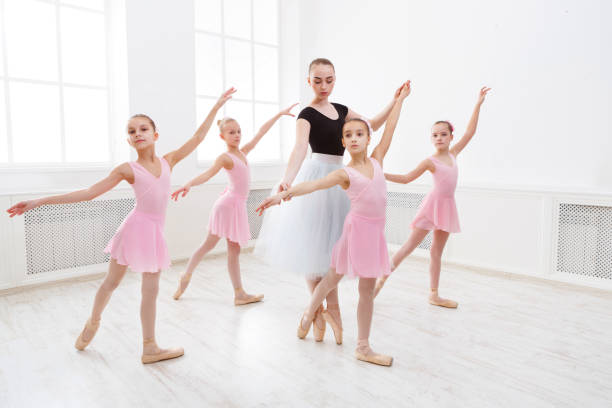
Teach fundamental movements, postures, and steps across styles like classical, contemporary, or folk dance forms.
Provide hands-on guidance on body alignment, rhythm, and expression to ensure safe and effective learning.
Choreography and Performance Preparation
Create original choreography for student recitals, competitions, or cultural events, enhancing creativity and stage presence.
Direct group performances, rehearsals, and productions, fostering teamwork and discipline among dancers.
Student Assessment and Feedback
Evaluate student progress through practical assessments, performances, or technique tests, offering constructive feedback.
Identify individual strengths and areas for improvement to customize teaching approaches for optimal growth.
Integration of Technology in Teaching
Use video tutorials, dance apps, or online platforms to provide interactive and accessible learning experiences.
Teach students about digital choreography tools or video editing for modern dance presentations and portfolios.
Cultural and Historical Education
Educate students on the history, cultural context, and significance of various dance forms, from Bharatanatyam to Ballet.
Promote appreciation for diverse dance traditions through storytelling, visual aids, and comparative studies.
Event Organization and Community Involvement
Organize dance recitals, workshops, or festivals to showcase student talent and engage with the local community.
Collaborate with schools and cultural organizations to advocate for dance education and secure resources for programs.
Physical and Emotional Development
Encourage physical fitness, flexibility, and discipline through dance, supporting overall student well-being.
Foster emotional expression and self-confidence by guiding students to connect with music and movement creatively.

Roles and Responsibilities

  • Lesson Planning and Curriculum Design
    • Develop structured lesson plans tailored to studentsโ€™ age, skill level, and dance style preferences, covering technique and theory.
    • Design curricula that align with educational standards or specific dance certification programs like ISTD or RAD.
  • Instruction in Dance Techniques
    • Teach fundamental movements, postures, and steps across styles like classical, contemporary, or folk dance forms.
    • Provide hands-on guidance on body alignment, rhythm, and expression to ensure safe and effective learning.
  • Choreography and Performance Preparation
    • Create original choreography for student recitals, competitions, or cultural events, enhancing creativity and stage presence.
    • Direct group performances, rehearsals, and productions, fostering teamwork and discipline among dancers.
  • Student Assessment and Feedback
    • Evaluate student progress through practical assessments, performances, or technique tests, offering constructive feedback.
    • Identify individual strengths and areas for improvement to customize teaching approaches for optimal growth.
  • Integration of Technology in Teaching
    • Use video tutorials, dance apps, or online platforms to provide interactive and accessible learning experiences.
    • Teach students about digital choreography tools or video editing for modern dance presentations and portfolios.
  • Cultural and Historical Education
    • Educate students on the history, cultural context, and significance of various dance forms, from Bharatanatyam to Ballet.
    • Promote appreciation for diverse dance traditions through storytelling, visual aids, and comparative studies.
  • Event Organization and Community Involvement
    • Organize dance recitals, workshops, or festivals to showcase student talent and engage with the local community.
    • Collaborate with schools and cultural organizations to advocate for dance education and secure resources for programs.
  • Physical and Emotional Development
    • Encourage physical fitness, flexibility, and discipline through dance, supporting overall student well-being.
    • Foster emotional expression and self-confidence by guiding students to connect with music and movement creatively.

ย 

Study Route & Eligibility Criteria

Study Route & Eligibility Criteria
Dance Teacher
Bachelorโ€™s in Dance - Direct Entry
๐ŸŽ“
1
Complete 10+2 in any stream with minimum 50% marks .
๐Ÿ›๏ธ
2
Pursue a Bachelorโ€™s degree in Dance or Performing Arts via merit or entrance exams.
๐Ÿ’ผ
3
Gain experience through teaching or assisting in dance schools.
๐Ÿ’ผ
4
Progress to Dance Teacher with skills and certifications.
Bachelorโ€™s to Masterโ€™s Pathway
๐ŸŽ“
1
Complete 10+2 and enroll in a Bachelorโ€™s degree in Dance or related fields.
๐ŸŽ“
2
Pursue a Masterโ€™s in Dance or Dance Education via entrance exams or merit.
๐Ÿ’ผ
3
Build expertise through advanced study or internships in education.
๐Ÿ“š
4
Join specialized teaching roles with advanced qualifications.
Diploma to Degree Pathway
๐ŸŽ“
1
Complete 10+2 and enroll in a Diploma in Dance or specific dance form training .
1-2 years
๐Ÿ›๏ธ
2
Transition to a Bachelorโ€™s degree in Dance via lateral entry or direct admission.
๐Ÿ’ผ
3
Work in assistant teaching roles for practical learning.
๐Ÿ’ผ
4
Build expertise to secure Dance Teacher positions with experience.
International Education Path
๐ŸŽ“
1
Complete 10+2 and clear relevant language tests .
๐Ÿ›๏ธ
2
Pursue dance or dance education degrees from international universities .
๐ŸŒ
3
Gain global exposure through international teaching or performance projects.
๐Ÿ’ผ
4
Return to India or work internationally in dance teaching roles.
Vocational to Professional Pathway
๐ŸŽ“
1
Complete 10th or 12th standard and enroll in vocational dance training or certificate courses .
6-12 months
๐ŸŽ“
2
Pursue advanced diplomas or certifications in Dance Education or Choreography.
๐Ÿ’ผ
3
Work as a part-time instructor for practical experience.
๐Ÿ’ผ
4
Build expertise and network to secure full-time Dance Teacher positions.
๐ŸŽฏ Dance Teacher - Professional

Significant Observations (Academic Related Points)

๐Ÿ’ก
Dance Teacher
Academic Related Points
1
Eligibility Criteria
10+2 in any stream is generally required for undergraduate programs or diplomas in dance; prior dance training or experience is often preferred for specialized courses.
2
Competitive Examinations
Entrance exams like university-specific tests or national-level exams for dance programs may be required in India; international programs may require IELTS or TOEFL.
3
Practical Skills
Hands-on experience in dance performance, choreography, and teaching is critical for industry readiness.
4
Physical Standards
Good physical fitness, flexibility, and stamina are beneficial for teaching and demonstrating dance techniques.
5
Technical Knowledge
Proficiency in dance forms, choreography, and digital dance tools is essential.
6
Continuous Training
Workshops on dance pedagogy, new dance styles, and technology in dance education are crucial for staying relevant.
7
Field Readiness
Exposure to real-world teaching, student performances, and event management builds practical competence.
8
Cultural Awareness
Understanding Indiaโ€™s diverse dance traditions and global dance forms aids in inclusive teaching.
9
Communication and Patience
Combining clear instruction with patience is key to teaching students of varying abilities.
10
Ethical Commitment
Adherence to student welfare, inclusivity, and cultural sensitivity builds professional credibility.
11
Networking Ability
Building relationships with dance educators, performers, and school administrators is crucial for career growth.

Courses & Specializations to Enter the Field

๐Ÿ“š
Dance Teacher
Courses & Specializations
๐Ÿ“–
Bachelor of Arts (BA) in Dance for foundational knowledge in dance techniques, history, and performance.
๐Ÿ“–
Bachelor of Education (B.Ed.) with Dance Specialization for skills in teaching dance within school systems.
๐Ÿ“–
Master of Arts (MA) in Dance or Dance Education for advanced expertise in pedagogy and dance analysis.
๐Ÿ“–
Diploma in Dance Teaching for practical training in specific dance forms and classroom management.
๐Ÿ“–
Certificate Course in Dance Pedagogy for short-term skill development in teaching methodologies.
๐Ÿ“–
Specialization in Indian Classical Dance Teaching (e.g., Bharatanatyam, Kathak), Western Dance Instruction (e.g., Ballet, Jazz), Dance Therapy in Education, or Choreography.
๐Ÿ“–
Short-term courses on Dance Technique for Educators, Choreography Basics, and Dance Technology in Classrooms.
๐Ÿ“–
Certifications in Dance Education (from institutes like ISTD or RAD), Dance Therapy (online platforms), and Specific Dance Form Proficiency (cultural academies) for professional credibility.

Prominent Employers

๐Ÿข
Dance Teacher
๐ŸŒŸ Top Companies & Organizations
๐Ÿ‡ฎ๐Ÿ‡ณ India
๐ŸŒ International

Advice for Aspiring Dance Teachers

๐Ÿ’ก
Dance Teacher
๐ŸŒŸ Tips for Students & Parents
1
Build a strong foundation in dance techniques, choreography, and teaching methodologies to excel in inspiring students.
2
Pursue early exposure through assisting in dance academies, schools, or community programs to understand real-world teaching dynamics.
3
Create a portfolio showcasing teaching videos, student performances, or choreography samples to demonstrate your skills to potential employers.
4
Stay updated on digital dance tools, diverse dance forms, and pedagogical trends through continuous learning and workshops.
5
Develop proficiency in specific dance styles, classroom management, and event organization for a competitive edge in the field.
6
Join reputed institutes like Kalakshetra or international programs for high-quality training and valuable industry connections in dance education.
7
Work on resilience to manage diverse student needs, long rehearsal hours, and physical demands effectively.
8
Explore opportunities in smaller schools or freelance teaching to gain practical experience if larger roles are initially out of reach.
9
Network with dance educators, performers, and school administrators at cultural events to expand career opportunities.
10
Cultivate adaptability to teach varied age groups, integrate technology, and explore global dance styles with confidence.
11
Focus on societal impact by nurturing creativity, preserving dance heritage, and promoting physical well-being through dance education.
๐ŸŽ“ Final Message
A career in Dance Teacher offers a captivating opportunity to awaken artistic spirit by merging movement expertise with a devotion to education, guiding students through the expressive realm of dance, and creating a profound influence with every step taught. Dance Teachers emerge as the passionate guardians of Indiaโ€™s vibrant dance legacy, employing their technical finesse and instructional fervor to cultivate talent and cultural appreciation in a dynamic artistic arena. This field intertwines physical artistry with educational dedication, unveiling opportunities in school dance programs, private studios, therapeutic dance applications, and cutting-edge virtual teaching spaces. For those enchanted by the prospect of shaping dancers through instructional mastery, propelled by the aim of enriching lives with the grace of movement, and prepared to meet the nuanced challenges of diverse learners, physical rigor, and innovative teaching methods, a career as a Dance Teacher presents an immensely gratifying pursuit. It equips individuals to fulfill the creative and developmental aspirations of students, elevate the essence of cultural expression, and contribute to a more vibrant society through the transformative power of dance education.
Knowledge & Skills You Will Learn
1
Dance Technology Skills: Rising demand for teachers skilled in video choreography, editing, and digital portfolios for modern careers.
Dance Teacher (Entry to Mid-Level)

Dance Teacher (Entry to Mid-Level)

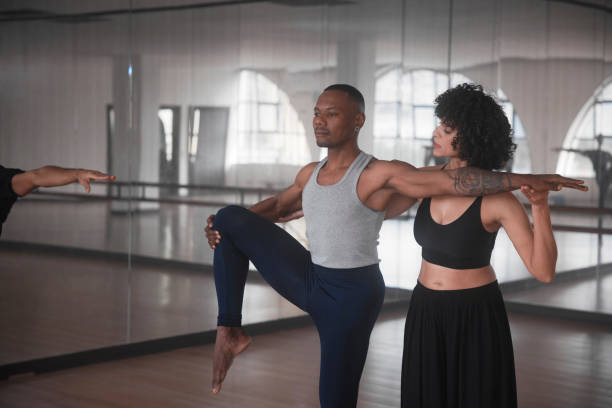
Dance Teachers instruct students in schools or private studios in cities like Delhi and Mumbai, focusing on technique and expression. They nurture...

0.0LPA
Senior Dance Teacher (Mid-Level)

Senior Dance Teacher (Mid-Level)

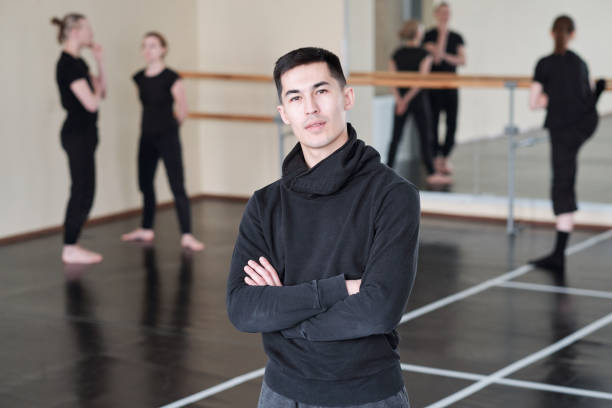
Senior Dance Teachers lead advanced classes in hubs like Bangalore or Kolkata, mentoring junior instructors. They design complex routines. Their...

0.0LPA
Dance Department Head (Senior Level)

Dance Department Head (Senior Level)

Dance Department Heads oversee dance programs in metro city schools like Chennai or Hyderabad, managing faculty and events. They ensure curriculum...

0.0LPA

Interested in this career?

Take the next step and explore more about Dance Teacher.