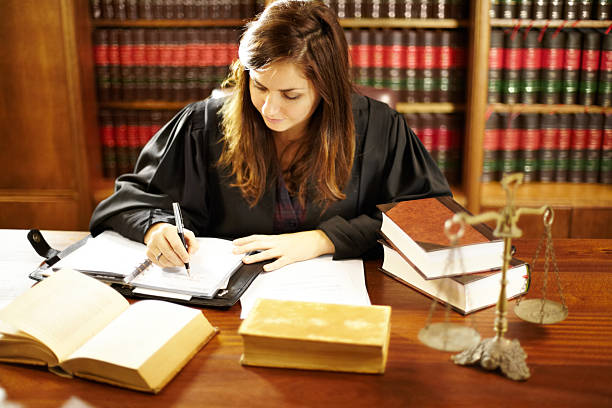
Criminal Lawyer

A Criminal Lawyer is a legal professional who specializes in defending or prosecuting individuals accused of criminal offenses, ranging from minor infractions to serious felonies. They work within the legal and justice sectors, often employed by law firms, public defender offices, or as independent practitioners. Criminal Lawyers focus on protecting their clientsโ€™ rights, building cases based on evidence, and navigating the complexities of criminal law to ensure fair trials. Combining legal expertise, strategic advocacy, and a deep understanding of the justice system, they play a crucial role in upholding justice and safeguarding individual liberties.

Share :
โœจ Radial Mind Map - Criminal Lawyer
Nodes arranged in concentric circles

Loading radial mind map...

Overview

A Criminal Lawyer is a legal professional who specializes in defending or prosecuting individuals accused of criminal offenses, ranging from minor infractions to serious felonies. They work within the legal and justice sectors, often employed by law firms, public defender offices, or as independent practitioners. Criminal Lawyers focus on protecting their clientsโ€™ rights, building cases based on evidence, and navigating the complexities of criminal law to ensure fair trials. Combining legal expertise, strategic advocacy, and a deep understanding of the justice system, they play a crucial role in upholding justice and safeguarding individual liberties.

Criminal Lawyers are tasked with representing clients in court, conducting legal research, negotiating plea deals, and crafting defense or prosecution strategies for criminal cases. Their work involves analyzing evidence, interviewing witnesses, and advocating for their clients during trials or hearings. They often operate in high-pressure, emotionally charged environments, balancing legal precision with ethical considerations to address intricate criminal challenges. Criminal Lawyers are essential to ensuring due process, protecting constitutional rights, and contributing to the integrity of the legal system.

Roles and Responsibilities

๐Ÿ’ผ
Criminal Lawyer
Roles and Responsibilities
Client Consultation and Case Evaluation
Meet with clients to understand their situation, charges, and legal needs.
Evaluate case details, evidence, and potential outcomes to advise on legal options.
Legal Research and Case Preparation
Research applicable criminal laws, precedents, and statutes to build strong arguments.
Prepare legal documents, motions, and briefs for court proceedings.
Courtroom Representation and Advocacy
Represent clients in court during arraignments, hearings, trials, and sentencing.
Present arguments, cross-examine witnesses, and challenge evidence to defend or prosecute.
Negotiation and Plea Bargaining
Negotiate with prosecutors or defence counsel for plea deals or reduced charges.
Advise clients on the benefits and risks of accepting plea agreements.
Evidence Analysis and Witness Preparation
Analyze police reports, forensic evidence, and other materials to identify inconsistencies.
Prepare witnesses for testimony and assess their credibility for trial impact.
Case Strategy and Planning
Develop defence or prosecution strategies tailored to case specifics and client goals.
Plan timelines for filings, hearings, and trial preparations.
Client Communication and Updates
Keep clients informed about case progress, legal risks, and court developments.
Provide clear explanations of complex legal terms and potential consequences.
Ethical Practice and Legal Compliance
Ensure all legal actions adhere to ethical standards and protect client rights.
Maintain confidentiality and uphold professional conduct in sensitive matters.
Entrance Exam Requirements:
Some institutes require entrance tests like CLAT or AILET for integrated law programs in India, or LSAT for international programs.
Strong Legal Foundation:
Requires excellent knowledge of criminal law and procedural codes.
Practical Skills Essential:
Hands-on experience in trial advocacy and case preparation is critical for success.
Analytical Skills Required:
Proficiency in evaluating evidence and legal arguments is a key asset.
Advanced Education Preferred:
Postgraduate degrees (LLM) enhance opportunities in specialized or senior roles.
Interdisciplinary Knowledge:
Combines legal expertise with criminology, psychology, and ethics.
Continuous Learning Necessity:
Evolving criminal laws and precedents require staying updated.
Industry Exposure Valued:
Internships, courtroom projects, and networking boost employability and credibility.
Ram Jethmalani (Historical, India):
Renowned criminal lawyer and former Union Minister, known for defending high-profile cases since the 1950s.
Fali S. Nariman (Contemporary, India)
: Eminent jurist and Senior Advocate, recognized for contributions to criminal and constitutional law since the 1950s.
Harish Salve (Contemporary, India):
Former Solicitor General of India, celebrated for handling significant criminal and international disputes since the 1990s.
Mukul Rohatgi (Contemporary, India)
: Former Attorney General of India, known for representing clients in complex criminal matters since the 1980s.
Indira Jaising (Contemporary, India)
: Senior Advocate and activist, influential in criminal law and human rights cases since the 1970s.
Clarence Darrow (Historical, USA):
Iconic defense attorney, famous for defending controversial criminal cases like the Scopes Trial in the early 20th century.
Gerry Spence (Contemporary, USA):
Prominent trial lawyer, known for never losing a criminal case as a defense attorney since the 1960s.
Cherie Blair (Contemporary, UK)
: Barrister and human rights lawyer, recognized for her work in criminal justice and international law since the 1970s.
Alan Dershowitz (Contemporary, USA):
Harvard Law Professor and defense attorney, notable for high-profile criminal defense cases since the 1960s.
Amal Clooney (Contemporary, UK/Lebanon)
: International human rights lawyer, known for defending clients in criminal and humanitarian law cases since the 2000s.

Roles and Responsibilities:

  • Client Consultation and Case Evaluation
    • Meet with clients to understand their situation, charges, and legal needs.
    • Evaluate case details, evidence, and potential outcomes to advise on legal options.
  • Legal Research and Case Preparation
    • Research applicable criminal laws, precedents, and statutes to build strong arguments.
    • Prepare legal documents, motions, and briefs for court proceedings.
  • Courtroom Representation and Advocacy
    • Represent clients in court during arraignments, hearings, trials, and sentencing.
    • Present arguments, cross-examine witnesses, and challenge evidence to defend or prosecute.
  • Negotiation and Plea Bargaining
    • Negotiate with prosecutors or defence counsel for plea deals or reduced charges.
    • Advise clients on the benefits and risks of accepting plea agreements.
  • Evidence Analysis and Witness Preparation
    • Analyze police reports, forensic evidence, and other materials to identify inconsistencies.
    • Prepare witnesses for testimony and assess their credibility for trial impact.
  • Case Strategy and Planning
    • Develop defence or prosecution strategies tailored to case specifics and client goals.
    • Plan timelines for filings, hearings, and trial preparations.
  • Client Communication and Updates
    • Keep clients informed about case progress, legal risks, and court developments.
    • Provide clear explanations of complex legal terms and potential consequences.
  • Ethical Practice and Legal Compliance
    • Ensure all legal actions adhere to ethical standards and protect client rights.
    • Maintain confidentiality and uphold professional conduct in sensitive matters.

ย 

Study Route & Eligibility Criteria:

RouteSteps
Route 11. 10+2 in any stream.
2. Bachelorโ€™s degree (3-5 yrs) in Law (LLB) through integrated programs like BA LLB or B.Com LLB.
3. Internships with law firms or public defender offices during studies.
4. Optional Masterโ€™s degree (1-2 yrs) in Law (LLM) with specialization in Criminal Law.
Route 21. 10+2 in any stream.
2. Bachelorโ€™s degree (3-4 yrs) in any discipline.
3. LLB (3 yrs) after graduation.
4. Entry-level roles or clerkships for practical experience.
5. Professional certifications or short courses in criminal law.
Route 31. 10+2 in any stream.
2. Integrated Law degree (5 yrs) like BA LLB or BBA LLB.
3. Enrollment with Bar Council and mandatory internships.
4. On-the-job training through junior roles in law firms.
5. Short-term workshops on criminal procedure or trial advocacy.
Route 41. 10+2 in any stream.
2. Bachelorโ€™s degree in Law (3-5 yrs, LLB or integrated).
3. Masterโ€™s degree (1-2 yrs, LLM) in Criminal Law or related fields.
4. Leadership roles or advanced certifications for senior positions.
5. Industry experience in diverse criminal justice environments.

ย 

Significant Observations:

  • Entrance Exam Requirements:ย Some institutes require entrance tests like CLAT or AILET for integrated law programs in India, or LSAT for international programs.
  • Strong Legal Foundation:ย Requires excellent knowledge of criminal law and procedural codes.
  • Practical Skills Essential:ย Hands-on experience in trial advocacy and case preparation is critical for success.
  • Analytical Skills Required:ย Proficiency in evaluating evidence and legal arguments is a key asset.
  • Advanced Education Preferred:ย Postgraduate degrees (LLM) enhance opportunities in specialized or senior roles.
  • Interdisciplinary Knowledge:ย Combines legal expertise with criminology, psychology, and ethics.
  • Continuous Learning Necessity:ย Evolving criminal laws and precedents require staying updated.
  • Industry Exposure Valued:ย Internships, courtroom projects, and networking boost employability and credibility.

ย 

Internships & Practical Exposure:

  • Internships with law firms specializing in criminal defense or prosecution.
  • Hands-on experience in drafting legal motions, pleas, and trial documents.
  • Training under senior criminal lawyers or public prosecutors for courtroom exposure.
  • Exposure to criminal trials, bail hearings, and plea negotiations in real-world settings.
  • Participation in public defender offices for practical skills in client representation.
  • Collaboration with legal teams on evidence analysis and witness preparation.
  • Attendance at workshops on criminal procedure, forensics, and trial advocacy.
  • Involvement in moot court competitions focusing on criminal law issues.
  • Experience with case research for ongoing criminal trials or appeals.
  • Engagement in legal aid clinics to support underprivileged clients in criminal matters.

ย 

Courses & Specializations to Enter the Field:

  • Bachelorโ€™s degrees in Law (LLB, BA LLB, B.Com LLB, BBA LLB).
  • Masterโ€™s degrees in Law (LLM) with a focus on Criminal Law.
  • Diploma and Certificate courses in Criminal Procedure or Criminology.
  • Training in Trial Advocacy and Evidence Law.
  • Certifications in Legal Research and Case Strategy.
  • Workshops in Forensic Law, Cybercrime, or Human Rights Law.
  • Specializations in White-Collar Crime, Juvenile Justice, or International Criminal Law.
  • Professional Development Programs in Legal Ethics and Client Counseling.
  • Industry Certifications (e.g., Bar Council Enrollment).
  • Training in Criminal Litigation and Plea Negotiation.

ย 

Top Institutes for Criminal Lawyer Education (India):

InstituteCourse/ProgramOfficial Link
National Law School of India University (NLSIU), BangaloreBA LLB (Hons), LLM in Criminal Lawhttps://www.nls.ac.in/
National Academy of Legal Studies and Research (NALSAR), HyderabadBA LLB (Hons), LLM in Criminal Lawhttps://www.nalsar.ac.in/
National Law University (NLU), DelhiBA LLB (Hons), LLM in Criminal Lawhttps://nludelhi.ac.in/
West Bengal National University of Juridical Sciences (WBNUJS), KolkataBA LLB (Hons), LLMhttps://www.nujs.edu/
National Law University (NLU), JodhpurBA LLB (Hons), LLM in Criminal Lawhttps://www.nlujodhpur.ac.in/
Gujarat National Law University (GNLU), GandhinagarBA LLB (Hons), LLM in Criminal Lawhttps://www.gnlu.ac.in/
Symbiosis Law School, PuneBA LLB, BBA LLB, LLMhttps://www.symlaw.ac.in/
Christ University, BangaloreBA LLB (Hons), LLMhttps://christuniversity.in/
Amity Law School, NoidaBA LLB, B.Com LLB, LLMhttps://www.amity.edu/
Faculty of Law, University of DelhiLLB, LLM in Criminal Lawhttp://law.du.ac.in/

ย 

Top International Institutes:

InstitutionCourseCountryOfficial Link
Harvard Law SchoolJD, LLM in Criminal LawUSAhttps://hls.harvard.edu/
University of OxfordBachelor of Civil Law (BCL), MJurUKhttps://www.law.ox.ac.uk/
Yale Law SchoolJD, LLM in Criminal LawUSAhttps://law.yale.edu/
University of CambridgeLLB, LLM in Criminal LawUKhttps://www.law.cam.ac.uk/
Stanford Law SchoolJD, LLM in Criminal LawUSAhttps://law.stanford.edu/
London School of Economics (LSE)LLB, LLM in Criminal LawUKhttps://www.lse.ac.uk/law
University of Chicago Law SchoolJD, LLM in Criminal LawUSAhttps://www.law.uchicago.edu/
University of MelbourneJD, LLM in Criminal LawAustraliahttps://law.unimelb.edu.au/
National University of Singapore (NUS)LLB, LLM in Criminal LawSingaporehttps://law.nus.edu.sg/
University of Toronto Faculty of LawJD, LLM in Criminal LawCanadahttps://www.law.utoronto.ca/

ย 

Entrance Tests Required:

India:

  • CLAT: For admission to undergraduate and postgraduate law programs at NLUs.
  • AILET: For admission to NLU Delhiโ€™s law programs.
  • Institute-Specific Entrance Tests: Some private universities conduct their own exams or interviews.


International:

  • LSAT: For admission to law schools in the USA, Canada, and other countries.
  • TOEFL/IELTS: For English proficiency in international universities.
  • University-Specific Entrance Tests: May include interviews or written assessments for law programs.

ย 

Ideal Progressing Career Path:ย 

Legal Intern โ†’ Junior Associate (Criminal Law) โ†’ Criminal Lawyer โ†’ Senior Criminal Lawyer โ†’ Partner at Law Firm โ†’ Public Prosecutor/Defender โ†’ Criminal Law Consultant

ย 

Major Areas of Employment:

  • Private law firms for criminal defense or prosecution representation.
  • Public defender offices for representing indigent clients in criminal cases.
  • Government legal departments as public prosecutors or state counsel.
  • Independent practice as solo criminal lawyers or consultants.
  • Non-governmental organizations (NGOs) for human rights or legal aid roles.
  • Corporate firms for handling white-collar crime or internal investigations.
  • Legal aid clinics for supporting underprivileged clients in criminal matters.
  • Freelance opportunities as criminal law advisors or consultants.
  • Academic institutions for teaching criminal law or legal research.
  • International courts or organizations for cross-border criminal cases.

ย 

Prominent Employers:

IndiaInternational
Supreme Court of India (Advocates)American Civil Liberties Union (ACLU), USA
High Court Legal Services CommitteesInternational Criminal Court (ICC), Netherlands
Public Prosecutor OfficesCrown Prosecution Service (CPS), UK
Legal Aid Services AuthorityPublic Defender Service, USA
Human Rights Law Network (HRLN)Amnesty International (Global)
Amarchand & Mangaldas (Criminal Wing)Human Rights Watch (Global)
J Sagar Associates (JSA)Skadden, Arps, Slate, Meagher & Flom (USA)
Cyril Amarchand MangaldasClifford Chance (UK)
Khaitan & CoAllen & Overy (UK)
TrilegalBaker McKenzie (USA)

ย 

Pros and Cons of the Profession:

ProsCons
Opportunity to impact lives by defending rights or ensuring justice.High stress due to emotionally charged cases and client pressure.
High demand for skilled criminal lawyers in justice systems.Long working hours, often involving late nights for case prep or trials.
Potential for meaningful career growth and public recognition.Physically and mentally demanding with exposure to disturbing cases.
Diverse career paths in defense, prosecution, or consultancy.High responsibility for legal accuracy in life-altering matters.
Collaborative work with law enforcement, courts, and clients.Pressure to stay updated with rapidly changing criminal laws and precedents.

ย 

Industry Trends and Future Outlook:

  • Growing demand for criminal lawyers in cybercrime and digital fraud cases.
  • Increased focus on human rights and juvenile justice within criminal law.
  • Adoption of technology for virtual hearings, evidence presentation, and case management.
  • Rising interest in alternative dispute resolution and plea bargaining.
  • Advances in forensic law and DNA evidence impacting criminal trials.
  • Emphasis on international criminal law due to globalization of crime.
  • Growth in legal aid services for underprivileged defendants.
  • Integration of AI for legal research and predictive case outcomes.
  • Expansion of legal education to include tech and ethics in criminal justice.
  • Investment in hybrid legal services combining traditional and digital advocacy.

ย 

Salary Expectations:

Career LevelIndia (โ‚น per annum)International (US$ per annum)
Legal Intern / Trainee2,00,000 - 5,00,000$30,000 - $40,000
Junior Associate (Criminal Law)5,00,000 - 10,00,000$50,000 - $70,000
Criminal Lawyer10,00,000 - 18,00,000$70,000 - $120,000
Senior Criminal Lawyer18,00,000 - 30,00,000$120,000 - $200,000
Partner / Public Prosecutor/Defender30,00,000 - 75,00,000+$200,000 - $400,000+

ย 

Key Software Tools:

  • Westlaw: For legal research and accessing criminal law precedents.
  • LexisNexis: For comprehensive legal databases and resources.
  • Clio: For legal practice management and client billing.
  • CaseMine: For Indian criminal case law research and analytics.
  • Microsoft Word: For drafting legal motions and court documents.
  • Everlaw: For e-discovery and litigation document review.
  • Zoom: For virtual client meetings and remote court hearings.
  • DocuSign: For electronic signatures on legal agreements.
  • TimeSolv: For tracking billable hours and invoicing.
  • MyCase: For case management and client communication.

ย 

Professional Organizations and Networks:

  • Bar Council of India (BCI).
  • Supreme Court Bar Association (SCBA), India.
  • Indian Law Institute (ILI).
  • American Bar Association (ABA) โ€“ Criminal Justice Section.
  • International Bar Association (IBA) โ€“ Criminal Law Committee.
  • Law Society of England and Wales.
  • All India Bar Association (AIBA).
  • National Association of Criminal Defense Lawyers (NACDL), USA.
  • Criminal Lawyersโ€™ Association (CLA), India.
  • International Criminal Law Network (ICLN).

ย 

Notable Criminal Lawyers and Industry Leaders (Top 10):

  • Ram Jethmalani (Historical, India): Renowned criminal lawyer and former Union Minister, known for defending high-profile cases since the 1950s.
    ย 
  • Fali S. Nariman (Contemporary, India): Eminent jurist and Senior Advocate, recognized for contributions to criminal and constitutional law since the 1950s.
    ย 
  • Harish Salve (Contemporary, India): Former Solicitor General of India, celebrated for handling significant criminal and international disputes since the 1990s.
    ย 
  • Mukul Rohatgi (Contemporary, India): Former Attorney General of India, known for representing clients in complex criminal matters since the 1980s.
    ย 
  • Indira Jaising (Contemporary, India): Senior Advocate and activist, influential in criminal law and human rights cases since the 1970s.
    ย 
  • Clarence Darrow (Historical, USA): Iconic defense attorney, famous for defending controversial criminal cases like the Scopes Trial in the early 20th century.
    ย 
  • Gerry Spence (Contemporary, USA): Prominent trial lawyer, known for never losing a criminal case as a defense attorney since the 1960s.
    ย 
  • Cherie Blair (Contemporary, UK): Barrister and human rights lawyer, recognized for her work in criminal justice and international law since the 1970s.
    ย 
  • Alan Dershowitz (Contemporary, USA): Harvard Law Professor and defense attorney, notable for high-profile criminal defense cases since the 1960s.
    ย 
  • Amal Clooney (Contemporary, UK/Lebanon): International human rights lawyer, known for defending clients in criminal and humanitarian law cases since the 2000s.
    ย 

Advice for Aspiring Criminal Lawyers:

  • Build a strong foundation in criminal law and legal procedures during early education or training.
  • Gain hands-on experience through internships or clerkships in law firms or public defender offices.
  • Develop proficiency in legal research, trial advocacy, and negotiation skills early in your career.
  • Stay updated with changes in criminal laws, judicial precedents, and forensic advancements.
  • Participate in moot court competitions, legal conferences, and networking events for growth and recognition.
  • Consider certifications or specializations in areas like cybercrime or human rights law to enhance credibility.
  • Focus on developing communication skills for effective courtroom arguments and client interactions.
  • Pursue advanced education or mentorship for roles in senior advocacy or public prosecution positions.
  • Cultivate ethical judgment and resilience to handle emotionally challenging cases.
  • Maintain a commitment to justice, client welfare, and continuous learning in a dynamic legal field.


A career as a Criminal Lawyer offers the profound opportunity to shape the course of justice by defending the accused or prosecuting offenders, ensuring the legal system operates with fairness and integrity. From representing clients in high-stakes trials to negotiating plea deals and advocating for rights, Criminal Lawyers play a pivotal role in protecting individual liberties and upholding the rule of law. This field combines legal expertise, strategic advocacy, and a passion for justice, offering diverse paths in private practice, public defense, prosecution, and consultancy. For those enthusiastic about navigating complex legal challenges, making a societal impact, and contributing to the pursuit of truth, a career as a Criminal Lawyer provides a deeply rewarding and impactful journey with significant potential in an era of evolving crime and legal demands.


ย 

Study Route & Eligibility Criteria

Study Route & Eligibility Criteria
Criminal Lawyer
Route 1
๐ŸŽ“
1
10+2 in any stream.
๐Ÿ›๏ธ
2
Bachelorโ€™s degree in Law through integrated programs like BA LLB or B.Com LLB.
3-5 yrs
๐Ÿ’ผ
3
Internships with law firms or public defender offices during studies.
๐Ÿ›๏ธ
4
Optional Masterโ€™s degree in Law with specialization in Criminal Law.
1-2 yrs
Route 2
๐ŸŽ“
1
10+2 in any stream.
๐Ÿ›๏ธ
2
Bachelorโ€™s degree in any discipline.
3-4 yrs
๐Ÿ›๏ธ
3
LLB after graduation.
3 yrs
๐Ÿ’ผ
4
Entry-level roles or clerkships for practical experience.
๐Ÿ“š
5
Professional certifications or short courses in criminal law.
Route 3
๐ŸŽ“
1
10+2 in any stream.
๐Ÿ›๏ธ
2
Integrated Law degree like BA LLB or BBA LLB.
5 yrs
๐Ÿ’ผ
3
Enrollment with Bar Council and mandatory internships.
๐Ÿ’ผ
4
On-the-job training through junior roles in law firms.
๐Ÿ’ผ
5
Short-term workshops on criminal procedure or trial advocacy.
Route 4
๐ŸŽ“
1
10+2 in any stream.
๐Ÿ›๏ธ
2
Bachelorโ€™s degree in Law .
๐Ÿ›๏ธ
3
Masterโ€™s degree in Criminal Law or related fields.
๐Ÿ’ผ
4
Leadership roles or advanced certifications for senior positions.
๐Ÿ’ผ
5
Industry experience in diverse criminal justice environments.
๐ŸŽฏ Criminal Lawyer - Professional

Significant Observations (Academic Related Points)

๐Ÿ’ก
Criminal Lawyer
Academic Related Points
1
Entrance Exam Requirements:
Some institutes require entrance tests like CLAT or AILET for integrated law programs in India, or LSAT for international programs.
2
Strong Legal Foundation:
Requires excellent knowledge of criminal law and procedural codes.
3
Practical Skills Essential:
Hands-on experience in trial advocacy and case preparation is critical for success.
4
Analytical Skills Required:
Proficiency in evaluating evidence and legal arguments is a key asset.
5
Advanced Education Preferred:
Postgraduate degrees (LLM) enhance opportunities in specialized or senior roles.
6
Interdisciplinary Knowledge:
Combines legal expertise with criminology, psychology, and ethics.
7
Continuous Learning Necessity:
Evolving criminal laws and precedents require staying updated.
8
Industry Exposure Valued:
Internships, courtroom projects, and networking boost employability and credibility.
9
Ram Jethmalani (Historical, India):
Renowned criminal lawyer and former Union Minister, known for defending high-profile cases since the 1950s.
10
Fali S. Nariman (Contemporary, India)
Eminent jurist and Senior Advocate, recognized for contributions to criminal and constitutional law since the 1950s.
11
Harish Salve (Contemporary, India):
Former Solicitor General of India, celebrated for handling significant criminal and international disputes since the 1990s.
12
Mukul Rohatgi (Contemporary, India)
Former Attorney General of India, known for representing clients in complex criminal matters since the 1980s.
13
Indira Jaising (Contemporary, India)
Senior Advocate and activist, influential in criminal law and human rights cases since the 1970s.
14
Clarence Darrow (Historical, USA):
Iconic defense attorney, famous for defending controversial criminal cases like the Scopes Trial in the early 20th century.
15
Gerry Spence (Contemporary, USA):
Prominent trial lawyer, known for never losing a criminal case as a defense attorney since the 1960s.
16
Cherie Blair (Contemporary, UK)
Barrister and human rights lawyer, recognized for her work in criminal justice and international law since the 1970s.
17
Alan Dershowitz (Contemporary, USA):
Harvard Law Professor and defense attorney, notable for high-profile criminal defense cases since the 1960s.
18
Amal Clooney (Contemporary, UK/Lebanon)
International human rights lawyer, known for defending clients in criminal and humanitarian law cases since the 2000s.

Internships & Practical Exposure

๐Ÿ’ผ
Criminal Lawyer
Internships & Practical Experience
1
Internships with law firms specializing in criminal defense or prosecution.
2
Hands-on experience in drafting legal motions, pleas, and trial documents.
3
Training under senior criminal lawyers or public prosecutors for courtroom exposure.
4
Exposure to criminal trials, bail hearings, and plea negotiations in real-world settings.
5
Participation in public defender offices for practical skills in client representation.
6
Collaboration with legal teams on evidence analysis and witness preparation.
7
Attendance at workshops on criminal procedure, forensics, and trial advocacy.
8
Involvement in moot court competitions focusing on criminal law issues.
9
Experience with case research for ongoing criminal trials or appeals.
10
Engagement in legal aid clinics to support underprivileged clients in criminal matters.
11
Bachelorโ€™s degrees in Law (LLB, BA LLB, B.Com LLB, BBA LLB).
12
Masterโ€™s degrees in Law (LLM) with a focus on Criminal Law.
13
Diploma and Certificate courses in Criminal Procedure or Criminology.
14
Training in Trial Advocacy and Evidence Law.
15
Certifications in Legal Research and Case Strategy.
16
Workshops in Forensic Law, Cybercrime, or Human Rights Law.
17
Specializations in White-Collar Crime, Juvenile Justice, or International Criminal Law.
18
Professional Development Programs in Legal Ethics and Client Counseling.
19
Industry Certifications (e.g., Bar Council Enrollment).
20
Training in Criminal Litigation and Plea Negotiation.
21
CLAT: For admission to undergraduate and postgraduate law programs at NLUs.
22
AILET: For admission to NLU Delhiโ€™s law programs.
23
Institute-Specific Entrance Tests: Some private universities conduct their own exams or interviews.
24
LSAT: For admission to law schools in the USA, Canada, and other countries.
25
TOEFL/IELTS: For English proficiency in international universities.
26
University-Specific Entrance Tests: May include interviews or written assessments for law programs.
27
Private law firms for criminal defense or prosecution representation.
28
Public defender offices for representing indigent clients in criminal cases.
29
Government legal departments as public prosecutors or state counsel.
30
Independent practice as solo criminal lawyers or consultants.
31
Non-governmental organizations (NGOs) for human rights or legal aid roles.
32
Corporate firms for handling white-collar crime or internal investigations.
33
Legal aid clinics for supporting underprivileged clients in criminal matters.
34
Freelance opportunities as criminal law advisors or consultants.
35
Academic institutions for teaching criminal law or legal research.
36
International courts or organizations for cross-border criminal cases.
37
Growing demand for criminal lawyers in cybercrime and digital fraud cases.
38
Increased focus on human rights and juvenile justice within criminal law.
39
Adoption of technology for virtual hearings, evidence presentation, and case management.
40
Rising interest in alternative dispute resolution and plea bargaining.
41
Advances in forensic law and DNA evidence impacting criminal trials.
42
Emphasis on international criminal law due to globalization of crime.
43
Growth in legal aid services for underprivileged defendants.
44
Integration of AI for legal research and predictive case outcomes.
45
Expansion of legal education to include tech and ethics in criminal justice.
46
Investment in hybrid legal services combining traditional and digital advocacy.
47
Westlaw: For legal research and accessing criminal law precedents.
48
LexisNexis: For comprehensive legal databases and resources.
49
Clio: For legal practice management and client billing.
50
CaseMine: For Indian criminal case law research and analytics.
51
Microsoft Word: For drafting legal motions and court documents.
52
Everlaw: For e-discovery and litigation document review.
53
Zoom: For virtual client meetings and remote court hearings.
54
DocuSign: For electronic signatures on legal agreements.
55
TimeSolv: For tracking billable hours and invoicing.
56
MyCase: For case management and client communication.
57
Bar Council of India (BCI).
58
Supreme Court Bar Association (SCBA), India.
59
Indian Law Institute (ILI).
60
American Bar Association (ABA) โ€“ Criminal Justice Section.
61
International Bar Association (IBA) โ€“ Criminal Law Committee.
62
Law Society of England and Wales.
63
All India Bar Association (AIBA).
64
National Association of Criminal Defense Lawyers (NACDL), USA.
65
Criminal Lawyersโ€™ Association (CLA), India.
66
International Criminal Law Network (ICLN).
67
Ram Jethmalani (Historical, India):Renowned criminal lawyer and former Union Minister, known for defending high-profile cases since the 1950s.
68
Fali S. Nariman (Contemporary, India): Eminent jurist and Senior Advocate, recognized for contributions to criminal and constitutional law since the 1950s.
69
Harish Salve (Contemporary, India):Former Solicitor General of India, celebrated for handling significant criminal and international disputes since the 1990s.
70
Mukul Rohatgi (Contemporary, India): Former Attorney General of India, known for representing clients in complex criminal matters since the 1980s.
71
Indira Jaising (Contemporary, India): Senior Advocate and activist, influential in criminal law and human rights cases since the 1970s.
72
Clarence Darrow (Historical, USA):Iconic defense attorney, famous for defending controversial criminal cases like the Scopes Trial in the early 20th century.
73
Gerry Spence (Contemporary, USA):Prominent trial lawyer, known for never losing a criminal case as a defense attorney since the 1960s.
74
Cherie Blair (Contemporary, UK): Barrister and human rights lawyer, recognized for her work in criminal justice and international law since the 1970s.
75
Alan Dershowitz (Contemporary, USA):Harvard Law Professor and defense attorney, notable for high-profile criminal defense cases since the 1960s.
76
Amal Clooney (Contemporary, UK/Lebanon): International human rights lawyer, known for defending clients in criminal and humanitarian law cases since the 2000s.
77
Build a strong foundation in criminal law and legal procedures during early education or training.
78
Gain hands-on experience through internships or clerkships in law firms or public defender offices.
79
Develop proficiency in legal research, trial advocacy, and negotiation skills early in your career.
80
Stay updated with changes in criminal laws, judicial precedents, and forensic advancements.
81
Participate in moot court competitions, legal conferences, and networking events for growth and recognition.
82
Consider certifications or specializations in areas like cybercrime or human rights law to enhance credibility.
83
Focus on developing communication skills for effective courtroom arguments and client interactions.
84
Pursue advanced education or mentorship for roles in senior advocacy or public prosecution positions.
85
Cultivate ethical judgment and resilience to handle emotionally challenging cases.
86
Maintain a commitment to justice, client welfare, and continuous learning in a dynamic legal field.

Courses & Specializations to Enter the Field

๐Ÿ“š
Criminal Lawyer
Courses & Specializations
๐Ÿ“–
Bachelorโ€™s degrees in Law (LLB, BA LLB, B.Com LLB, BBA LLB).
๐Ÿ“–
Masterโ€™s degrees in Law (LLM) with a focus on Criminal Law.
๐Ÿ“–
Diploma and Certificate courses in Criminal Procedure or Criminology.
๐Ÿ“–
Training in Trial Advocacy and Evidence Law.
๐Ÿ“–
Certifications in Legal Research and Case Strategy.
๐Ÿ“–
Workshops in Forensic Law, Cybercrime, or Human Rights Law.
๐Ÿ“–
Specializations in White-Collar Crime, Juvenile Justice, or International Criminal Law.
๐Ÿ“–
Professional Development Programs in Legal Ethics and Client Counseling.
๐Ÿ“–
Industry Certifications (e.g., Bar Council Enrollment).
๐Ÿ“–
Training in Criminal Litigation and Plea Negotiation.
๐Ÿ“–
CLAT: For admission to undergraduate and postgraduate law programs at NLUs.
๐Ÿ“–
AILET: For admission to NLU Delhiโ€™s law programs.
๐Ÿ“–
Institute-Specific Entrance Tests: Some private universities conduct their own exams or interviews.
๐Ÿ“–
LSAT: For admission to law schools in the USA, Canada, and other countries.
๐Ÿ“–
TOEFL/IELTS: For English proficiency in international universities.
๐Ÿ“–
University-Specific Entrance Tests: May include interviews or written assessments for law programs.
๐Ÿ“–
Private law firms for criminal defense or prosecution representation.
๐Ÿ“–
Public defender offices for representing indigent clients in criminal cases.
๐Ÿ“–
Government legal departments as public prosecutors or state counsel.
๐Ÿ“–
Independent practice as solo criminal lawyers or consultants.
๐Ÿ“–
Non-governmental organizations (NGOs) for human rights or legal aid roles.
๐Ÿ“–
Corporate firms for handling white-collar crime or internal investigations.
๐Ÿ“–
Legal aid clinics for supporting underprivileged clients in criminal matters.
๐Ÿ“–
Freelance opportunities as criminal law advisors or consultants.
๐Ÿ“–
Academic institutions for teaching criminal law or legal research.
๐Ÿ“–
International courts or organizations for cross-border criminal cases.
๐Ÿ“–
Growing demand for criminal lawyers in cybercrime and digital fraud cases.
๐Ÿ“–
Increased focus on human rights and juvenile justice within criminal law.
๐Ÿ“–
Adoption of technology for virtual hearings, evidence presentation, and case management.
๐Ÿ“–
Rising interest in alternative dispute resolution and plea bargaining.
๐Ÿ“–
Advances in forensic law and DNA evidence impacting criminal trials.
๐Ÿ“–
Emphasis on international criminal law due to globalization of crime.
๐Ÿ“–
Growth in legal aid services for underprivileged defendants.
๐Ÿ“–
Integration of AI for legal research and predictive case outcomes.
๐Ÿ“–
Expansion of legal education to include tech and ethics in criminal justice.
๐Ÿ“–
Investment in hybrid legal services combining traditional and digital advocacy.
๐Ÿ“–
Westlaw: For legal research and accessing criminal law precedents.
๐Ÿ“–
LexisNexis: For comprehensive legal databases and resources.
๐Ÿ“–
Clio: For legal practice management and client billing.
๐Ÿ“–
CaseMine: For Indian criminal case law research and analytics.
๐Ÿ“–
Microsoft Word: For drafting legal motions and court documents.
๐Ÿ“–
Everlaw: For e-discovery and litigation document review.
๐Ÿ“–
Zoom: For virtual client meetings and remote court hearings.
๐Ÿ“–
DocuSign: For electronic signatures on legal agreements.
๐Ÿ“–
TimeSolv: For tracking billable hours and invoicing.
๐Ÿ“–
MyCase: For case management and client communication.
๐Ÿ“–
Bar Council of India (BCI).
๐Ÿ“–
Supreme Court Bar Association (SCBA), India.
๐Ÿ“–
Indian Law Institute (ILI).
๐Ÿ“–
American Bar Association (ABA) โ€“ Criminal Justice Section.
๐Ÿ“–
International Bar Association (IBA) โ€“ Criminal Law Committee.
๐Ÿ“–
Law Society of England and Wales.
๐Ÿ“–
All India Bar Association (AIBA).
๐Ÿ“–
National Association of Criminal Defense Lawyers (NACDL), USA.
๐Ÿ“–
Criminal Lawyersโ€™ Association (CLA), India.
๐Ÿ“–
International Criminal Law Network (ICLN).
๐Ÿ“–
Ram Jethmalani (Historical, India):Renowned criminal lawyer and former Union Minister, known for defending high-profile cases since the 1950s.
๐Ÿ“–
Fali S. Nariman (Contemporary, India): Eminent jurist and Senior Advocate, recognized for contributions to criminal and constitutional law since the 1950s.
๐Ÿ“–
Harish Salve (Contemporary, India):Former Solicitor General of India, celebrated for handling significant criminal and international disputes since the 1990s.
๐Ÿ“–
Mukul Rohatgi (Contemporary, India): Former Attorney General of India, known for representing clients in complex criminal matters since the 1980s.
๐Ÿ“–
Indira Jaising (Contemporary, India): Senior Advocate and activist, influential in criminal law and human rights cases since the 1970s.
๐Ÿ“–
Clarence Darrow (Historical, USA):Iconic defense attorney, famous for defending controversial criminal cases like the Scopes Trial in the early 20th century.
๐Ÿ“–
Gerry Spence (Contemporary, USA):Prominent trial lawyer, known for never losing a criminal case as a defense attorney since the 1960s.
๐Ÿ“–
Cherie Blair (Contemporary, UK): Barrister and human rights lawyer, recognized for her work in criminal justice and international law since the 1970s.
๐Ÿ“–
Alan Dershowitz (Contemporary, USA):Harvard Law Professor and defense attorney, notable for high-profile criminal defense cases since the 1960s.
๐Ÿ“–
Amal Clooney (Contemporary, UK/Lebanon): International human rights lawyer, known for defending clients in criminal and humanitarian law cases since the 2000s.
๐Ÿ“–
Build a strong foundation in criminal law and legal procedures during early education or training.
๐Ÿ“–
Gain hands-on experience through internships or clerkships in law firms or public defender offices.
๐Ÿ“–
Develop proficiency in legal research, trial advocacy, and negotiation skills early in your career.
๐Ÿ“–
Stay updated with changes in criminal laws, judicial precedents, and forensic advancements.
๐Ÿ“–
Participate in moot court competitions, legal conferences, and networking events for growth and recognition.
๐Ÿ“–
Consider certifications or specializations in areas like cybercrime or human rights law to enhance credibility.
๐Ÿ“–
Focus on developing communication skills for effective courtroom arguments and client interactions.
๐Ÿ“–
Pursue advanced education or mentorship for roles in senior advocacy or public prosecution positions.
๐Ÿ“–
Cultivate ethical judgment and resilience to handle emotionally challenging cases.
๐Ÿ“–
Maintain a commitment to justice, client welfare, and continuous learning in a dynamic legal field.

Prominent Employers

๐Ÿข
Criminal Lawyer
๐ŸŒŸ Top Companies & Organizations
๐Ÿ‡ฎ๐Ÿ‡ณ India
๐Ÿ›๏ธ
Supreme Court of India (Advocates)
๐Ÿ›๏ธ
High Court Legal Services Committees
๐Ÿ›๏ธ
Public Prosecutor Offices
๐Ÿ›๏ธ
Legal Aid Services Authority
๐Ÿ›๏ธ
Human Rights Law Network (HRLN)
๐Ÿ›๏ธ
Amarchand & Mangaldas (Criminal Wing)
๐Ÿ›๏ธ
J Sagar Associates (JSA)
๐Ÿ›๏ธ
Cyril Amarchand Mangaldas
๐Ÿ›๏ธ
Khaitan & Co
๐Ÿ›๏ธ
Trilegal
๐ŸŒ International
๐ŸŒ
American Civil Liberties Union (ACLU), USA
๐ŸŒ
International Criminal Court (ICC), Netherlands
๐ŸŒ
Crown Prosecution Service (CPS), UK
๐ŸŒ
Public Defender Service, USA
๐ŸŒ
Amnesty International (Global)
๐ŸŒ
Human Rights Watch (Global)
๐ŸŒ
Skadden, Arps, Slate, Meagher & Flom (USA)
๐ŸŒ
Clifford Chance (UK)
๐ŸŒ
Allen & Overy (UK)
๐ŸŒ
Baker McKenzie (USA)

Advice for Aspiring Criminal Lawyers

๐Ÿ’ก
Criminal Lawyer
๐ŸŒŸ Tips for Students & Parents
1
Build a strong foundation in criminal law and legal procedures during early education or training.
2
Gain hands-on experience through internships or clerkships in law firms or public defender offices.
3
Develop proficiency in legal research, trial advocacy, and negotiation skills early in your career.
4
Stay updated with changes in criminal laws, judicial precedents, and forensic advancements.
5
Participate in moot court competitions, legal conferences, and networking events for growth and recognition.
6
Consider certifications or specializations in areas like cybercrime or human rights law to enhance credibility.
7
Focus on developing communication skills for effective courtroom arguments and client interactions.
8
Pursue advanced education or mentorship for roles in senior advocacy or public prosecution positions.
9
Cultivate ethical judgment and resilience to handle emotionally challenging cases.
10
Maintain a commitment to justice, client welfare, and continuous learning in a dynamic legal field.
๐ŸŽ“ Final Message
A career as a Criminal Lawyer offers the profound opportunity to shape the course of justice by defending the accused or prosecuting offenders, ensuring the legal system operates with fairness and integrity. From representing clients in high-stakes trials to negotiating plea deals and advocating for rights, Criminal Lawyers play a pivotal role in protecting individual liberties and upholding the rule of law. This field combines legal expertise, strategic advocacy, and a passion for justice, offering diverse paths in private practice, public defense, prosecution, and consultancy. For those enthusiastic about navigating complex legal challenges, making a societal impact, and contributing to the pursuit of truth, a career as a Criminal Lawyer provides a deeply rewarding and impactful journey with significant potential in an era of evolving crime and legal demands.
Knowledge & Skills You Will Learn
1
Develop proficiency in legal research, trial advocacy, and negotiation skills early in your career.
2
Focus on developing communication skills for effective courtroom arguments and client interactions.
Junior Associate (Criminal Law)

Junior Associate (Criminal Law)

Junior Associates handle smaller criminal matters or assist in larger cases, focusing on documentation and client support under supervision. They...

0.0LPA

Criminal Lawyer

Criminal Lawyer

Criminal Lawyers independently represent clients in criminal cases, managing trials, negotiations, and legal strategies from start to finish. They...

0.0LPA

Senior Criminal Lawyer

Senior Criminal Lawyer

Senior Criminal Lawyers oversee complex cases, mentor junior staff, and specialize in areas like white-collar crime or homicide. They manage...

0.0LPA

Interested in this career?

Take the next step and explore more about Criminal Lawyer.