
Creative Writer

Summary

A Creative Writer is an individual who crafts original narratives, poems, plays, screenplays, or other forms of literary expression. Their work involves the imaginative use of language to convey stories, emotions, and ideas

Share :
✨ Radial Mind Map - Creative Writer
Nodes arranged in concentric circles

Loading radial mind map...

Overview

A Creative Writer is an individual who crafts original narratives, poems, plays, screenplays, or other forms of literary expression. Their work involves the imaginative use of language to convey stories, emotions, and ideas, often with a focus on aesthetics, character development, and plot intricacy. Creative writers can work in various genres, from fiction and non-fiction to poetry and drama, and their creations can be published in books, magazines, online platforms, or adapted into visual media.
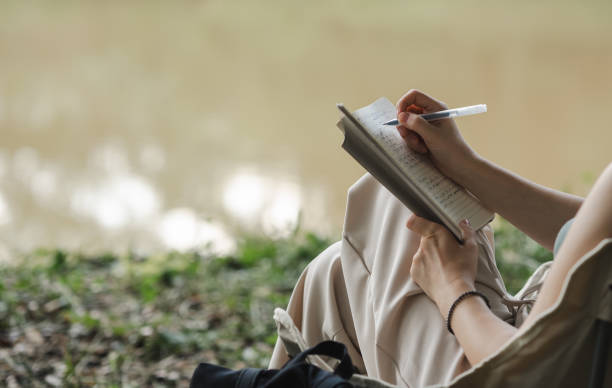
Creative Writing is an art form where writers use their imagination to create works that entertain, inspire, or provoke thought. This involves developing original concepts, characters, and plots that captivate readers or audiences. Creative writers often draw from personal experiences, observations, and research to craft stories that resonate with universal themes or unique perspectives. They engage in world-building, creating detailed, believable settings or entire fictional worlds where stories unfold, requiring a deep understanding of culture, history, and sometimes science or fantasy elements. Character development is key, crafting complex, relatable characters with distinct voices, motivations, and arcs. Narrative structure is another critical aspect, ensuring stories have a clear beginning, middle, and end, with logical flow and maintained tension or interest. Language and style are pivotal, with writers employing language in unique ways to evoke emotions, paint vivid scenes, and establish a distinctive voice. The process also involves multiple revisions for clarity, coherence, and impact, often through self-editing or collaboration with editors. Marketing and promotion are essential, requiring writers to engage in self-promotion, networking, and marketing to get their work noticed. Creative writers must balance creativity with discipline, often working alone for extended periods, and their work demands not only talent but also dedication to honing their craft, understanding the market, and navigating the publishing or production landscape.

Roles and Responsibilities

💼
Creative Writer
Roles and Responsibilities
Content Creation:
Develop original ideas for novels, short stories, poetry, or scripts.
Write and revise drafts, focusing on narrative, dialogue, and character development.
Experiment with different forms of writing to find the best fit for their creative vision.
Research and Inspiration:
Conduct research to enrich stories with accurate details or to explore new genres.
Seek inspiration through life experiences, travel, art, or other creative pursuits.
Professional Development:
Attend writing workshops, conferences, or courses to improve skills.
Stay current with literary trends, market demands, and reader preferences.
Networking:
Build relationships with other writers, editors, agents, and publishers.
Participate in writing communities, both online and offline, for support and critique.
Marketing and Promotion:
Use social media, blogs, or personal websites to promote work and engage with readers.
Pitch work to publishers or production companies, or self-publish through digital platforms.
Word Processors:
Microsoft Word, Google Docs, Scrivener for writing and editing.
Content Management Systems (CMS):
WordPress, Medium for blogging and online publishing.
Research Tools:
Google Scholar, JSTOR, or specialized databases for research.
Writing Tools:
Grammarly, ProWritingAid for grammar and style checks.
Plotting Software:
Aeon Timeline, Plottr for story structure and organization.
Social Media Tools:
Twitter, Instagram, LinkedIn for promotion.
SEO Tools:
SEMrush, Ahrefs for optimizing online content visibility.
Analytics:
Google Analytics for tracking reader engagement.
Arundhati Roy (Contemporary, India):
Known for her novel "The God of Small Things" and her work as a political activist.
Salman Rushdie (Contemporary, India/UK):
Celebrated for "Midnight's Children" and his impact on post-colonial literature.
JhumpaLahiri (Contemporary, USA/India):
Pulitzer Prize-winning author of "Interpreter of Maladies."
Margaret Atwood (Contemporary, Canada):
Renowned for "The Handmaid's Tale" and her extensive body of work.
Haruki Murakami (Contemporary, Japan):
Internationally acclaimed for his surreal narratives.
ChimamandaNgoziAdichie (Contemporary, Nigeria):
Known for "Half of a Yellow Sun" and her TED Talks.
Kazuo Ishiguro (Contemporary, UK/Japan):
Nobel Prize winner for his novel "The Remains of the Day."
Zadie Smith (Contemporary, UK):
Recognized for her debut novel "White Teeth" and subsequent works.
Michael Ondaatje (Contemporary, Canada/Sri Lanka):
Famous for "The English Patient," which was adapted into an Oscar-winning film.
Vikram Seth (Contemporary, India):
Noted for his epic novel "A Suitable Boy" and his poetry.

Roles and Responsibilities:

  • Content Creation:
    • Develop original ideas for novels, short stories, poetry, or scripts.
    • Write and revise drafts, focusing on narrative, dialogue, and character development.
    • Experiment with different forms of writing to find the best fit for their creative vision.
  • Research and Inspiration:
    • Conduct research to enrich stories with accurate details or to explore new genres.
    • Seek inspiration through life experiences, travel, art, or other creative pursuits.
  • Professional Development:
    • Attend writing workshops, conferences, or courses to improve skills.
    • Stay current with literary trends, market demands, and reader preferences.
  • Networking:
    • Build relationships with other writers, editors, agents, and publishers.
    • Participate in writing communities, both online and offline, for support and critique.
  • Marketing and Promotion:
    • Use social media, blogs, or personal websites to promote work and engage with readers.
    • Pitch work to publishers or production companies, or self-publish through digital platforms.


Study Route & Eligibility Criteria:

RouteSteps
Route 11. 10+2 in any stream, with a focus on English or Creative Writing.
2. Bachelor’s degree (3-4 yrs) in English, Creative Writing, or related fields.
3. Participate in writing workshops or join writing groups for feedback and improvement.
4. Optional Master’s degree (1-2 yrs) in Creative Writing or Literature.
Route 21. 10+2 in any stream.
2. Diploma or Certificate courses in Creative Writing (1-2 yrs).
3. Entry-level roles like copywriting or content creation for experience.
4. Engage in freelance writing or self-publishing to build a portfolio.
Route 31. 10+2 in any stream.
2. Self-study or online courses in creative writing, narrative techniques, or related fields.
3. Build a portfolio through personal blogs, short stories, or poetry submissions.
4. Network with other writers, attend literary events, and seek mentorship.
Route 41. 10+2 in any stream.
2. Bachelor’s degree in a field related to the intended writing genre (e.g., History for historical fiction).
3. Specialized courses or workshops in creative writing or screenwriting.
4. Freelance work or entry-level positions in publishing or media.


Significant Observations:

  • Imagination and Originality: A creative writer's ability to generate fresh ideas and unique narratives is paramount.
  • Language Proficiency: Mastery of language, including grammar, syntax, and style, is crucial.
  • Persistence: Writing often involves rejection; resilience and the ability to revise and resubmit are essential.
  • Self-Discipline: Creative writing demands time management and the ability to work independently.
  • Feedback Reception: Being open to critique and using it to improve writing is vital.
  • Marketing Savvy: Understanding how to market one's work and engage with readers is increasingly important.
  • Adaptability: The ability to write in different genres or adapt work for various mediums (e.g., from book to film).
  • Networking: Building relationships within the literary community can lead to opportunities.


Internships & Practical Exposure:

  • Internships with literary magazines, publishing houses, or literary agents.
  • Freelance writing for local or niche publications to build a portfolio.
  • Participation in writing workshops, conferences, or creative writing boot camps.
  • Personal blogs or vlogs to practice writing and engage with an audience.
  • Collaboration with other writers or artists on projects.


Courses & Specializations to Enter the Field:

  • Bachelor’s degrees in Creative Writing, English Literature, or related fields.
  • Master’s degrees in Creative Writing, focusing on specific genres or narrative techniques.
  • Diploma and Certificate courses in Creative Writing, Screenwriting, or Playwriting.
  • Workshops on specific aspects of writing, such as dialogue, character development, or world-building.
  • Online courses in Creative Writing, Narrative Craft, or Genre Writing.
  • Specializations in areas like Fiction, Non-Fiction, Poetry, Children’s Literature, or Genre Fiction.
  • Professional Development Programs in Publishing, Literary Editing, or Writing for Digital Media.


Top Institutes for Creative Writing Education (India):

InstituteCourse/ProgramOfficial Link
Indian Institute of Technology, Bombay (IITB)MA in Creative Writingiitb.ac.in
Banaras Hindu University (BHU), VaranasiMA in English (with Creative Writing)bhu.ac.in
University of HyderabadMA in English Language Studies (with Creative Writing)uohyd.ac.in
Jamia Millia Islamia, New DelhiMA in English (with Creative Writing)jmi.ac.in
Pondicherry UniversityMA in English (with Creative Writing)pondiuni.edu.in
Manipal Academy of Higher Education (MAHE)MA in Creative Writingmanipal.edu
University of DelhiMA in English (with Creative Writing)du.ac.in
English and Foreign Languages University (EFLU), HyderabadMA in Literature (with Creative Writing)efluniversity.ac.in
SNDT Women's University, MumbaiMA in English (with Creative Writing)sndt.ac.in
Jadavpur University, KolkataMA in English (with Creative Writing)jadavpuruniversity.in


Top International Institutes:

InstitutionCourseCountryOfficial Link
University of IowaMFA in Creative WritingUSAwritersworkshop.uiowa.edu
Columbia UniversityMFA in WritingUSAarts.columbia.edu
University of East AngliaMA in Creative WritingUKuea.ac.uk
New York UniversityMFA in Creative WritingUSAas.nyu.edu
University of OxfordMSt in Creative WritingUKconted.ox.ac.uk
University of MelbourneMaster of Creative Writing, Publishing and EditingAustraliaunimelb.edu.au
University of British ColumbiaMFA in Creative WritingCanadacreativewriting.ubc.ca
University of EdinburghMA in Creative WritingUKed.ac.uk
City, University of LondonMA in Creative WritingUKcity.ac.uk
University of California, Los Angeles (UCLA)MFA in Creative WritingUSAtft.ucla.edu


Entrance Tests Required:

India:

  • Jadavpur University Creative Writing Entrance Test (JU CWET) with on-the-spot composition exercises
  • Delhi University School of Open Learning Creative Writing Assessment (DU SOL CWA)
  • Ambedkar University Delhi Creative Portfolio Evaluation (AUD CPE) for MA Literary Art
  • English and Foreign Languages University Creative Writing Aptitude Test (EFLU CWAT)
  • Symbiosis School for Liberal Arts Creative Expression Assessment (SSLA CEA)
  • Ashoka University Creative Writing Sample Evaluation (CWSE) for Young India Fellowship
  • Manipal Academy of Higher Education Creative Storytelling Test (MAHE CST)
  • Shiv Nadar University Creative Composition Examination (SNU CCE)
  • Xavier University Creative Writing Proficiency Test (XCWPT)
  • Indian Institute of Mass Communication Narrative Journalism Test (IIMC NJT)


International:

  • Graduate Record Examination (GRE) required for Iowa Writers' Workshop, Columbia MFA, and other prestigious programs
  • Graduate Management Admission Test (GMAT) for some publishing and creative industries management programs
  • International English Language Testing System (IELTS) with minimum score of 7.0-7.5 for UK creative writing programs
  • Test of English as a Foreign Language (TOEFL) with minimum score of 100-110 for US MFA programs
  • University of East Anglia MA Creative Writing Portfolio Assessment
  • New York University Creative Writing Program Application Review
  • University of British Columbia Creative Writing Sample Evaluation
  • University of Manchester Creative Portfolio Assessment for MA programs
  • University of Melbourne Creative Writing Entrance Examination
  • Stanford University Creative Writing Fellowship Application Review


Ideal Progressing Career Path

Freelance Writer → Short Story Writer/Poet → Novelist/Playwright/Screenwriter → Bestselling Author/Award-Winning Writer


Major Areas of Employment:

  • Publishing houses for books, magazines, and journals.
  • Film, television, and theater production companies.
  • Online platforms for digital content, blogs, or self-publishing.
  • Literary agencies for representation and contract negotiations.
  • Educational institutions for teaching creative writing.
  • Freelance work for various clients, offering flexibility and variety.


Prominent Employers:

IndiaInternational
Penguin Random House IndiaPenguin Random House
HarperCollins IndiaHarperCollins
Rupa PublicationsSimon & Schuster
Westland PublicationsHachette Book Group
Zubaan BooksBloomsbury Publishing
Speaking Tiger BooksFaber & Faber
Aleph Book CompanyKnopf Doubleday Publishing Group
Juggernaut BooksMacmillan Publishers
Niyogi BooksOrion Publishing Group
HarperCollins Children's BooksScholastic Inc.


Pros and Cons of the Profession:

ProsCons
Creative freedom to express unique ideas and stories.Income can be variable, especially for freelancers.
Potential for literary recognition, awards, and fame.High competition for publication or production opportunities.
Opportunity to influence culture, inspire, or entertain.Requires significant self-discipline and resilience.
Flexibility in working hours and location.Can be isolating, working alone for extended periods.
Potential for adaptation of work into other media.Need to constantly generate fresh ideas and content.


Industry Trends and Future Outlook:

  • Digital Publishing: Growth in e-books, self-publishing, and online literary platforms.
  • Audiobooks and Podcasts: Increasing demand for audio content, including original stories and adaptations.
  • Diverse Voices: A push for more inclusive narratives and representation in literature.
  • Cross-Media Adaptation: Books being adapted into films, TV shows, or video games.
  • Short-Form Content: Rise of flash fiction, micro-stories, and social media storytelling.
  • AI and Writing: Use of AI tools for research, SEO, and even as writing assistants.
  • Creative Writing Education: More programs and workshops available for aspiring writers.
  • Crowdfunding and Patreon: New models for supporting writers through direct fan funding.
  • Remote Work: Flexibility in location and collaboration through digital tools.


Salary Expectations:

Career LevelIndia (₹ per annum)International (US$ per annum)
Freelance WriterVariable, project-basedVariable, project-based
Short Story Writer/PoetVariable, based on publicationsVariable, based on publications
NovelistVariable, based on sales and royaltiesVariable, based on sales and royalties
PlaywrightVariable, based on production and royaltiesVariable, based on production and royalties
Screenwriter6,00,000 - 20,00,000+$50,000 - $150,000+
Editor/Proofreader3,00,000 - 8,00,000$30,000 - $70,000
Writing Instructor4,00,000 - 10,00,000$35,000 - $80,000


Key Software Tools:

  • Word Processors: Microsoft Word, Google Docs, Scrivener for writing and editing.
  • Content Management Systems (CMS): WordPress, Medium for blogging and online publishing.
  • Research Tools: Google Scholar, JSTOR, or specialized databases for research.
  • Writing Tools: Grammarly, ProWritingAid for grammar and style checks.
  • Plotting Software: Aeon Timeline, Plottr for story structure and organization.
  • Social Media Tools: Twitter, Instagram, LinkedIn for promotion.
  • SEO Tools: SEMrush, Ahrefs for optimizing online content visibility.
  • Analytics: Google Analytics for tracking reader engagement.


Professional Organizations and Networks:

  • Sahitya Akademi, India.
  • The Authors Guild, USA.
  • Society of Authors, UK.
  • National Writers Union, USA.
  • The Writers' Union of Canada.
  • PEN International, Global.
  • Poets & Writers, USA.
  • The Alliance of Independent Authors, Global.


Notable Creative Writers and Industry Leaders (Top 10):

  • Arundhati Roy (Contemporary, India): Known for her novel "The God of Small Things" and her work as a political activist.
     
  • Salman Rushdie (Contemporary, India/UK): Celebrated for "Midnight's Children" and his impact on post-colonial literature.
     
  • JhumpaLahiri (Contemporary, USA/India): Pulitzer Prize-winning author of "Interpreter of Maladies."
     
  • Margaret Atwood (Contemporary, Canada): Renowned for "The Handmaid's Tale" and her extensive body of work.
     
  • Haruki Murakami (Contemporary, Japan): Internationally acclaimed for his surreal narratives.
     
  • ChimamandaNgoziAdichie (Contemporary, Nigeria): Known for "Half of a Yellow Sun" and her TED Talks.
     
  • Kazuo Ishiguro (Contemporary, UK/Japan): Nobel Prize winner for his novel "The Remains of the Day."
     
  • Zadie Smith (Contemporary, UK): Recognized for her debut novel "White Teeth" and subsequent works.
     
  • Michael Ondaatje (Contemporary, Canada/Sri Lanka): Famous for "The English Patient," which was adapted into an Oscar-winning film.
     
  • Vikram Seth (Contemporary, India): Noted for his epic novel "A Suitable Boy" and his poetry.
     

Becoming a creative writer involves not only a passion for storytelling but also a commitment to the craft, a willingness to learn and grow, and the resilience to navigate the often challenging path to publication or production. With the evolution of digital media and the rise of self-publishing, creative writers have more avenues than ever to share their work, offering both challenges and opportunities for those dedicated to the art of writing.


Study Route & Eligibility Criteria

Study Route & Eligibility Criteria
Creative Writer
Route 1
🎓
1
10+2 in any stream, with a focus on English or Creative Writing.
🏛️
2
Bachelor’s degree in English, Creative Writing, or related fields.
3-4 yrs
💼
3
Participate in writing workshops or join writing groups for feedback and improvement.
🏛️
4
Optional Master’s degree in Creative Writing or Literature.
1-2 yrs
Route 2
🎓
1
10+2 in any stream.
🎓
2
Diploma or Certificate courses in Creative Writing .
1-2 yrs
💼
3
Entry-level roles like copywriting or content creation for experience.
💼
4
Engage in freelance writing or self-publishing to build a portfolio.
Route 3
🎓
1
10+2 in any stream.
📚
2
Self-study or online courses in creative writing, narrative techniques, or related fields.
📚
3
Build a portfolio through personal blogs, short stories, or poetry submissions.
💼
4
Network with other writers, attend literary events, and seek mentorship.
Route 4
🎓
1
10+2 in any stream.
🏛️
2
Bachelor’s degree in a field related to the intended writing genre .
📚
3
Specialized courses or workshops in creative writing or screenwriting.
💼
4
Freelance work or entry-level positions in publishing or media.
🎯 Creative Writer - Professional

Significant Observations (Academic Related Points)

💡
Creative Writer
Academic Related Points
1
Word Processors:
Microsoft Word, Google Docs, Scrivener for writing and editing.
2
Content Management Systems (CMS):
WordPress, Medium for blogging and online publishing.
3
Research Tools:
Google Scholar, JSTOR, or specialized databases for research.
4
Writing Tools:
Grammarly, ProWritingAid for grammar and style checks.
5
Plotting Software:
Aeon Timeline, Plottr for story structure and organization.
6
Social Media Tools:
Twitter, Instagram, LinkedIn for promotion.
7
SEO Tools:
SEMrush, Ahrefs for optimizing online content visibility.
8
Analytics:
Google Analytics for tracking reader engagement.
9
Arundhati Roy (Contemporary, India):
Known for her novel "The God of Small Things" and her work as a political activist.
10
Salman Rushdie (Contemporary, India/UK):
Celebrated for "Midnight's Children" and his impact on post-colonial literature.
11
JhumpaLahiri (Contemporary, USA/India):
Pulitzer Prize-winning author of "Interpreter of Maladies."
12
Margaret Atwood (Contemporary, Canada):
Renowned for "The Handmaid's Tale" and her extensive body of work.
13
Haruki Murakami (Contemporary, Japan):
Internationally acclaimed for his surreal narratives.
14
ChimamandaNgoziAdichie (Contemporary, Nigeria):
Known for "Half of a Yellow Sun" and her TED Talks.
15
Kazuo Ishiguro (Contemporary, UK/Japan):
Nobel Prize winner for his novel "The Remains of the Day."
16
Zadie Smith (Contemporary, UK):
Recognized for her debut novel "White Teeth" and subsequent works.
17
Michael Ondaatje (Contemporary, Canada/Sri Lanka):
Famous for "The English Patient," which was adapted into an Oscar-winning film.
18
Vikram Seth (Contemporary, India):
Noted for his epic novel "A Suitable Boy" and his poetry.

Internships & Practical Exposure

💼
Creative Writer
Internships & Practical Experience
1
Internships with literary magazines, publishing houses, or literary agents.
2
Freelance writing for local or niche publications to build a portfolio.
3
Participation in writing workshops, conferences, or creative writing boot camps.
4
Personal blogs or vlogs to practice writing and engage with an audience.
5
Collaboration with other writers or artists on projects.
6
Bachelor’s degrees in Creative Writing, English Literature, or related fields.
7
Master’s degrees in Creative Writing, focusing on specific genres or narrative techniques.
8
Diploma and Certificate courses in Creative Writing, Screenwriting, or Playwriting.
9
Workshops on specific aspects of writing, such as dialogue, character development, or world-building.
10
Online courses in Creative Writing, Narrative Craft, or Genre Writing.
11
Specializations in areas like Fiction, Non-Fiction, Poetry, Children’s Literature, or Genre Fiction.
12
Professional Development Programs in Publishing, Literary Editing, or Writing for Digital Media.
13
Jadavpur University Creative Writing Entrance Test (JU CWET) with on-the-spot composition exercises
14
Delhi University School of Open Learning Creative Writing Assessment (DU SOL CWA)
15
Ambedkar University Delhi Creative Portfolio Evaluation (AUD CPE) for MA Literary Art
16
English and Foreign Languages University Creative Writing Aptitude Test (EFLU CWAT)
17
Symbiosis School for Liberal Arts Creative Expression Assessment (SSLA CEA)
18
Ashoka University Creative Writing Sample Evaluation (CWSE) for Young India Fellowship
19
Manipal Academy of Higher Education Creative Storytelling Test (MAHE CST)
20
Shiv Nadar University Creative Composition Examination (SNU CCE)
21
Xavier University Creative Writing Proficiency Test (XCWPT)
22
Indian Institute of Mass Communication Narrative Journalism Test (IIMC NJT)
23
Graduate Record Examination (GRE) required for Iowa Writers' Workshop, Columbia MFA, and other prestigious programs
24
Graduate Management Admission Test (GMAT) for some publishing and creative industries management programs
25
International English Language Testing System (IELTS) with minimum score of 7.0-7.5 for UK creative writing programs
26
Test of English as a Foreign Language (TOEFL) with minimum score of 100-110 for US MFA programs
27
University of East Anglia MA Creative Writing Portfolio Assessment
28
New York University Creative Writing Program Application Review
29
University of British Columbia Creative Writing Sample Evaluation
30
University of Manchester Creative Portfolio Assessment for MA programs
31
University of Melbourne Creative Writing Entrance Examination
32
Stanford University Creative Writing Fellowship Application Review
33
Publishing houses for books, magazines, and journals.
34
Film, television, and theater production companies.
35
Online platforms for digital content, blogs, or self-publishing.
36
Literary agencies for representation and contract negotiations.
37
Educational institutions for teaching creative writing.
38
Freelance work for various clients, offering flexibility and variety.
39
Digital Publishing: Growth in e-books, self-publishing, and online literary platforms.
40
Audiobooks and Podcasts: Increasing demand for audio content, including original stories and adaptations.
41
Diverse Voices: A push for more inclusive narratives and representation in literature.
42
Cross-Media Adaptation: Books being adapted into films, TV shows, or video games.
43
Short-Form Content: Rise of flash fiction, micro-stories, and social media storytelling.
44
AI and Writing: Use of AI tools for research, SEO, and even as writing assistants.
45
Creative Writing Education: More programs and workshops available for aspiring writers.
46
Crowdfunding and Patreon: New models for supporting writers through direct fan funding.
47
Remote Work: Flexibility in location and collaboration through digital tools.
48
Word Processors:Microsoft Word, Google Docs, Scrivener for writing and editing.
49
Content Management Systems (CMS):WordPress, Medium for blogging and online publishing.
50
Research Tools:Google Scholar, JSTOR, or specialized databases for research.
51
Writing Tools:Grammarly, ProWritingAid for grammar and style checks.
52
Plotting Software:Aeon Timeline, Plottr for story structure and organization.
53
Social Media Tools:Twitter, Instagram, LinkedIn for promotion.
54
SEO Tools:SEMrush, Ahrefs for optimizing online content visibility.
55
Analytics:Google Analytics for tracking reader engagement.
56
Sahitya Akademi, India.
57
The Authors Guild, USA.
58
Society of Authors, UK.
59
National Writers Union, USA.
60
The Writers' Union of Canada.
61
PEN International, Global.
62
Poets & Writers, USA.
63
The Alliance of Independent Authors, Global.
64
Arundhati Roy (Contemporary, India):Known for her novel "The God of Small Things" and her work as a political activist.
65
Salman Rushdie (Contemporary, India/UK):Celebrated for "Midnight's Children" and his impact on post-colonial literature.
66
JhumpaLahiri (Contemporary, USA/India):Pulitzer Prize-winning author of "Interpreter of Maladies."
67
Margaret Atwood (Contemporary, Canada):Renowned for "The Handmaid's Tale" and her extensive body of work.
68
Haruki Murakami (Contemporary, Japan):Internationally acclaimed for his surreal narratives.
69
ChimamandaNgoziAdichie (Contemporary, Nigeria):Known for "Half of a Yellow Sun" and her TED Talks.
70
Kazuo Ishiguro (Contemporary, UK/Japan):Nobel Prize winner for his novel "The Remains of the Day."
71
Zadie Smith (Contemporary, UK):Recognized for her debut novel "White Teeth" and subsequent works.
72
Michael Ondaatje (Contemporary, Canada/Sri Lanka):Famous for "The English Patient," which was adapted into an Oscar-winning film.
73
Vikram Seth (Contemporary, India):Noted for his epic novel "A Suitable Boy" and his poetry.

Courses & Specializations to Enter the Field

📚
Creative Writer
Courses & Specializations
📖
Bachelor’s degrees in Creative Writing, English Literature, or related fields.
📖
Master’s degrees in Creative Writing, focusing on specific genres or narrative techniques.
📖
Diploma and Certificate courses in Creative Writing, Screenwriting, or Playwriting.
📖
Workshops on specific aspects of writing, such as dialogue, character development, or world-building.
📖
Online courses in Creative Writing, Narrative Craft, or Genre Writing.
📖
Specializations in areas like Fiction, Non-Fiction, Poetry, Children’s Literature, or Genre Fiction.
📖
Professional Development Programs in Publishing, Literary Editing, or Writing for Digital Media.
📖
Jadavpur University Creative Writing Entrance Test (JU CWET) with on-the-spot composition exercises
📖
Delhi University School of Open Learning Creative Writing Assessment (DU SOL CWA)
📖
Ambedkar University Delhi Creative Portfolio Evaluation (AUD CPE) for MA Literary Art
📖
English and Foreign Languages University Creative Writing Aptitude Test (EFLU CWAT)
📖
Symbiosis School for Liberal Arts Creative Expression Assessment (SSLA CEA)
📖
Ashoka University Creative Writing Sample Evaluation (CWSE) for Young India Fellowship
📖
Manipal Academy of Higher Education Creative Storytelling Test (MAHE CST)
📖
Shiv Nadar University Creative Composition Examination (SNU CCE)
📖
Xavier University Creative Writing Proficiency Test (XCWPT)
📖
Indian Institute of Mass Communication Narrative Journalism Test (IIMC NJT)
📖
Graduate Record Examination (GRE) required for Iowa Writers' Workshop, Columbia MFA, and other prestigious programs
📖
Graduate Management Admission Test (GMAT) for some publishing and creative industries management programs
📖
International English Language Testing System (IELTS) with minimum score of 7.0-7.5 for UK creative writing programs
📖
Test of English as a Foreign Language (TOEFL) with minimum score of 100-110 for US MFA programs
📖
University of East Anglia MA Creative Writing Portfolio Assessment
📖
New York University Creative Writing Program Application Review
📖
University of British Columbia Creative Writing Sample Evaluation
📖
University of Manchester Creative Portfolio Assessment for MA programs
📖
University of Melbourne Creative Writing Entrance Examination
📖
Stanford University Creative Writing Fellowship Application Review
📖
Publishing houses for books, magazines, and journals.
📖
Film, television, and theater production companies.
📖
Online platforms for digital content, blogs, or self-publishing.
📖
Literary agencies for representation and contract negotiations.
📖
Educational institutions for teaching creative writing.
📖
Freelance work for various clients, offering flexibility and variety.
📖
Digital Publishing: Growth in e-books, self-publishing, and online literary platforms.
📖
Audiobooks and Podcasts: Increasing demand for audio content, including original stories and adaptations.
📖
Diverse Voices: A push for more inclusive narratives and representation in literature.
📖
Cross-Media Adaptation: Books being adapted into films, TV shows, or video games.
📖
Short-Form Content: Rise of flash fiction, micro-stories, and social media storytelling.
📖
AI and Writing: Use of AI tools for research, SEO, and even as writing assistants.
📖
Creative Writing Education: More programs and workshops available for aspiring writers.
📖
Crowdfunding and Patreon: New models for supporting writers through direct fan funding.
📖
Remote Work: Flexibility in location and collaboration through digital tools.
📖
Word Processors:Microsoft Word, Google Docs, Scrivener for writing and editing.
📖
Content Management Systems (CMS):WordPress, Medium for blogging and online publishing.
📖
Research Tools:Google Scholar, JSTOR, or specialized databases for research.
📖
Writing Tools:Grammarly, ProWritingAid for grammar and style checks.
📖
Plotting Software:Aeon Timeline, Plottr for story structure and organization.
📖
Social Media Tools:Twitter, Instagram, LinkedIn for promotion.
📖
SEO Tools:SEMrush, Ahrefs for optimizing online content visibility.
📖
Analytics:Google Analytics for tracking reader engagement.
📖
Sahitya Akademi, India.
📖
The Authors Guild, USA.
📖
Society of Authors, UK.
📖
National Writers Union, USA.
📖
The Writers' Union of Canada.
📖
PEN International, Global.
📖
Poets & Writers, USA.
📖
The Alliance of Independent Authors, Global.
📖
Arundhati Roy (Contemporary, India):Known for her novel "The God of Small Things" and her work as a political activist.
📖
Salman Rushdie (Contemporary, India/UK):Celebrated for "Midnight's Children" and his impact on post-colonial literature.
📖
JhumpaLahiri (Contemporary, USA/India):Pulitzer Prize-winning author of "Interpreter of Maladies."
📖
Margaret Atwood (Contemporary, Canada):Renowned for "The Handmaid's Tale" and her extensive body of work.
📖
Haruki Murakami (Contemporary, Japan):Internationally acclaimed for his surreal narratives.
📖
ChimamandaNgoziAdichie (Contemporary, Nigeria):Known for "Half of a Yellow Sun" and her TED Talks.
📖
Kazuo Ishiguro (Contemporary, UK/Japan):Nobel Prize winner for his novel "The Remains of the Day."
📖
Zadie Smith (Contemporary, UK):Recognized for her debut novel "White Teeth" and subsequent works.
📖
Michael Ondaatje (Contemporary, Canada/Sri Lanka):Famous for "The English Patient," which was adapted into an Oscar-winning film.
📖
Vikram Seth (Contemporary, India):Noted for his epic novel "A Suitable Boy" and his poetry.

Prominent Employers

🏢
Creative Writer
🌟 Top Companies & Organizations
🇮🇳 India
🏛️
Penguin Random House India
🏛️
HarperCollins India
🏛️
Rupa Publications
🏛️
Westland Publications
🏛️
Zubaan Books
🏛️
Speaking Tiger Books
🏛️
Aleph Book Company
🏛️
Juggernaut Books
🏛️
Niyogi Books
🏛️
HarperCollins Children's Books
🌍 International
🌐
Penguin Random House
🌐
HarperCollins
🌐
Simon & Schuster
🌐
Hachette Book Group
🌐
Bloomsbury Publishing
🌐
Faber & Faber
🌐
Knopf Doubleday Publishing Group
🌐
Macmillan Publishers
🌐
Orion Publishing Group
🌐
Scholastic Inc.
Knowledge & Skills You Will Learn
1
Strong command of language, grammar, and style
2
Imagination and the ability to create compelling narratives
3
Character development and dialogue writing skills
4
Understanding of narrative structure and pacing
5
Research skills for enriching stories with detail
6
Revision and editing proficiency to refine work
7
Marketing and networking abilities for self-promotion
8
Adaptability to write in different genres or for various media
9
Collaboration skills for working with editors or other creatives
10
Time management and self-discipline for sustained writing
Freelance Writer:

Freelance Writer:

Freelance writers work on a project-by-project basis, often contributing to various publications or writing content for businesses. This role...

0.0LPA

Short Story Writer/Poet:

Short Story Writer/Poet:

These writers focus on crafting concise narratives or poetry, often submitting to literary magazines or anthologies. Success in this area can lead...

0.0LPA

Novelist:

Novelist:

Novelists create longer, more complex works of fiction. This involves extensive planning, character development, and sustained writing efforts....

0.0LPA

Interested in this career?

Take the next step and explore more about Creative Writer.