Couturier

Summary

A Couturier is a skilled professional who designs, creates, and customizes high-end fashion garments, often tailored to individual clients or for exclusive collections in the haute couture industry

Share :
✨ Radial Mind Map - Couturier
Nodes arranged in concentric circles

Loading radial mind map...

Overview

A Couturier is a skilled professional who designs, creates, and customizes high-end fashion garments, often tailored to individual clients or for exclusive collections in the haute couture industry. They work in industries such as fashion design, luxury retail, and bespoke tailoring, collaborating with clients, stylists, and creative teams. Couturiers play a crucial role in modern fashion and personal expression by crafting unique, artisanal clothing in an era where individuality and craftsmanship are highly valued in style and culture.
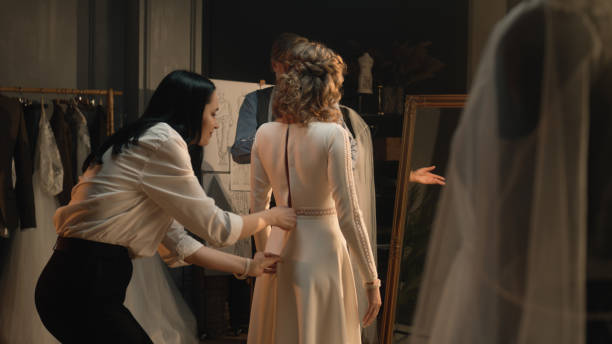
Couturiers are creative artisans responsible for conceptualizing and producing custom-made garments, focusing on intricate detailing, superior craftsmanship, and personalized design. Their role includes sketching designs, selecting fabrics, and addressing challenges ranging from meeting client expectations to mastering complex sewing techniques. They combine skills in fashion design, tailoring, and client interaction, working across various settings to produce exclusive apparel. As key contributors to the luxury fashion industry, Couturiers drive innovation and elegance in a landscape increasingly reliant on bespoke and sustainable style solutions.

Roles and Responsibilities

💼
Couturier
Roles and Responsibilities
Design Conceptualization
Create original fashion designs tailored to client preferences or thematic collections.
Develop sketches, mood boards, and detailed patterns to communicate design ideas.
Custom Garment Creation
Craft high-quality garments through precise cutting, sewing, and finishing techniques.
Ensure fit and style align with client measurements and aesthetic goals.
Fabric and Material Selection
Choose premium fabrics, embellishments, and accessories to elevate design quality.
Source materials that match the vision, durability, and comfort requirements of the garment.
Client Consultation and Collaboration
Meet with clients to understand their needs, style preferences, and event requirements.
Collaborate with stylists, designers, and other professionals to refine concepts for special occasions.
Pattern Making and Fittings
Draft custom patterns based on client measurements or design specifications.
Conduct multiple fittings to adjust and perfect the garment’s fit and silhouette.
Trend Research and Innovation
Stay updated on fashion trends, historical styles, and cultural influences to inspire designs.
Incorporate innovative techniques or sustainable practices into couture creations.
Project Management
Manage timelines and budgets for custom orders or fashion collections.
Coordinate with suppliers, embroiderers, and other artisans to complete projects.
Presentation and Branding
Showcase designs through fashion shows, portfolios, or client presentations.
Build a personal or studio brand through exceptional craftsmanship and unique style signatures.
Creative Foundation:
Strong knowledge of fashion design, textiles, and aesthetics is essential for couture.
Technical Skills:
Proficiency in sewing, pattern-making, and draping techniques is critical for effective work.
Specialized Training:
Certifications in haute couture or bespoke tailoring offer niche expertise.
Industry Awareness:
Understanding trends in luxury fashion and client preferences improves design relevance.
Interdisciplinary Knowledge:
Familiarity with art history, cultural styles, or merchandising enhances outcomes.
Certification Importance:
Industry-recognized certifications can enhance employability for advanced roles.
Continuing Education:
Regular workshops and courses are necessary to stay updated on fashion trends.
Global Standards:
Compliance with international fashion and craftsmanship standards enhances opportunities.
Attention to Detail:
Precision in stitching, fit, and embellishment is critical for high-end results.
Entrance Examination Success:
Certain programs may require entrance tests or specific qualifications for admission.
International Testing Requirements:
For global opportunities, certifications or qualifications from recognized fashion bodies may be needed.
NIFT Entrance Exam (National Institute of Fashion Technology):
Conducted for admission to NIFT for fashion design programs.
UCEED (Undergraduate Common Entrance Examination for Design):
For admission to design programs at IITs and other institutes.
Pearl Academy Entrance Exam:
For admission to fashion design programs at Pearl Academy.
AIFD Entrance Exam (Army Institute of Fashion and Design):
For admission to fashion programs at AIFD.
SAT (Scholastic Aptitude Test):
Required for undergraduate programs in countries like the USA.
TOEFL (Test of English as a Foreign Language):
Minimum score of 80-100 required for non-native speakers applying to programs in English-speaking countries.
IELTS (International English Language Testing System):
Minimum score of 6.0-7.0 required for admission to universities in the UK, Australia, and other English-speaking regions.
PTE Academic (Pearson Test of English Academic):
Accepted by many international institutes as an alternative to TOEFL or IELTS for English proficiency.
Duolingo English Test:
Accepted by some institutions as a convenient alternative for English language proficiency testing.
Coco Chanel (Historical, France):
Couturier since the early 1900s. Her designs revolutionized women’s fashion with simplicity and elegance. Her vision drove modern couture. Her impact shapes global fashion history.
Christian Dior (Historical, France):
Couturier since the 1940s. His "New Look" redefined post-war fashion with femininity. His artistry inspires progress. His contributions influence luxury design.
Yves Saint Laurent (Historical, France):
Couturier since the 1960s. His designs blended couture with ready-to-wear, empowering women. His creativity fosters excellence. His legacy impacts global trends.
Karl Lagerfeld (Contemporary, Germany/France):
Couturier since the 1960s. His work at Chanel and Fendi modernized couture. His vision drives innovation. His contributions shape international fashion.
Valentino Garavani (Contemporary, Italy):
Couturier since the 1960s. His red dresses and elegant designs became iconic. His creativity inspires growth. His work impacts red carpet fashion.
Elie Saab (Contemporary, Lebanon):
Couturier since the 1980s. His intricate bridal and evening wear gained global fame. His vision fosters elegance. His contributions influence luxury couture.
Sabyasachi Mukherjee (Contemporary, India):
Couturier since the 2000s. His designs blend Indian heritage with modern couture. His artistry drives cultural pride. His impact shapes national fashion.
Manish Malhotra (Contemporary, India):
Couturier since the 1990s. His Bollywood-inspired designs redefined Indian bridal wear. His creativity fosters trends. His work influences regional couture.
Giambattista Valli (Contemporary, Italy/France):
Couturier since the 2000s. His romantic and voluminous designs captivate haute couture. His vision shapes elegance. His contributions impact global runways.
Tarun Tahiliani (Contemporary, India):
Couturier since the 1990s. His fusion of Indian craftsmanship with modern silhouettes inspires. His creativity drives innovation. His impact influences Indian luxury fashion.

Roles and Responsibilities

  • Design Conceptualization
    • Create original fashion designs tailored to client preferences or thematic collections.
    • Develop sketches, mood boards, and detailed patterns to communicate design ideas.
  • Custom Garment Creation
    • Craft high-quality garments through precise cutting, sewing, and finishing techniques.
    • Ensure fit and style align with client measurements and aesthetic goals.
  • Fabric and Material Selection
    • Choose premium fabrics, embellishments, and accessories to elevate design quality.
    • Source materials that match the vision, durability, and comfort requirements of the garment.
  • Client Consultation and Collaboration
    • Meet with clients to understand their needs, style preferences, and event requirements.
    • Collaborate with stylists, designers, and other professionals to refine concepts for special occasions.
  • Pattern Making and Fittings
    • Draft custom patterns based on client measurements or design specifications.
    • Conduct multiple fittings to adjust and perfect the garment’s fit and silhouette.
  • Trend Research and Innovation
    • Stay updated on fashion trends, historical styles, and cultural influences to inspire designs.
    • Incorporate innovative techniques or sustainable practices into couture creations.
  • Project Management
    • Manage timelines and budgets for custom orders or fashion collections.
    • Coordinate with suppliers, embroiderers, and other artisans to complete projects.
  • Presentation and Branding
    • Showcase designs through fashion shows, portfolios, or client presentations.
    • Build a personal or studio brand through exceptional craftsmanship and unique style signatures.


Study Route & Eligibility Criteria

RouteSteps
Route 11. 10+2 in any stream (preferably with Art or Home Science subjects)
 2. Bachelor’s degree in Fashion Design or Textile Design (3-4 years)
 3. Internship or practical training (3-6 months)
 4. Practice as Junior Designer or Tailoring Assistant
Route 21. 10+2 in any stream
 2. Diploma or Certificate in Fashion Design or Couture (6 months-2 years)
 3. Build hands-on experience through projects
 4. Work as Freelance or Junior Couturier
Route 31. 10+2 in any stream
 2. Bachelor’s degree in Fashion Design or Apparel Design (3-4 years)
 3. Master’s degree in Fashion Design or Haute Couture (2 years)
 4. Work as Senior Couturier or Creative Lead
Route 41. 10+2 in any stream
 2. Advanced international training or certification in Couture (1-2 years)
 3. Master’s or specialized courses as per country requirements
 4. Practice abroad or in India


Significant Observations (Academic Related Points)

  • Creative Foundation: Strong knowledge of fashion design, textiles, and aesthetics is essential for couture.
  • Technical Skills: Proficiency in sewing, pattern-making, and draping techniques is critical for effective work.
  • Specialized Training: Certifications in haute couture or bespoke tailoring offer niche expertise.
  • Industry Awareness: Understanding trends in luxury fashion and client preferences improves design relevance.
  • Interdisciplinary Knowledge: Familiarity with art history, cultural styles, or merchandising enhances outcomes.
  • Certification Importance: Industry-recognized certifications can enhance employability for advanced roles.
  • Continuing Education: Regular workshops and courses are necessary to stay updated on fashion trends.
  • Global Standards: Compliance with international fashion and craftsmanship standards enhances opportunities.
  • Attention to Detail: Precision in stitching, fit, and embellishment is critical for high-end results.
  • Entrance Examination Success: Certain programs may require entrance tests or specific qualifications for admission.
  • International Testing Requirements: For global opportunities, certifications or qualifications from recognized fashion bodies may be needed.


Internships & Practical Exposure

  • Mandatory practical training during degree or diploma programs in fashion design departments.
  • Rotations in fashion houses, ateliers, or luxury retail for hands-on experience with real-world projects.
  • Internships under senior couturiers or designers for exposure to professional workflows.
  • Observerships in couture environments for experience in custom garment creation.
  • Participation in mock design projects or fashion shows for practical skill development.
  • Training in collaborative projects through real-world client briefs or studio initiatives.
  • Exposure to industry-standard sewing machines, tools, and design software during internships.
  • Project-based learning focusing on diverse couture styles and client challenges.
  • Public outreach initiatives like assisting in community fashion or textile projects.
  • International attachments or online collaborations for global exposure to couture practices.


Courses & Specializations to Enter the Field

  • Certificate in Haute Couture Techniques.
  • Bachelor’s in Fashion Design or Textile Design.
  • Master’s in Fashion Design or Apparel Merchandising.
  • Specialization in Bespoke Tailoring.
  • Certification in Pattern Making and Draping.
  • Workshops on Luxury Fashion Design.
  • Training in Embroidery and Embellishment Techniques.
  • Specialization in Bridal Couture.
  • Certification in Fashion Illustration.
  • Short Courses in Fabric Selection and Textile Innovation.


Top Institutes for Couturier Education (India)

InstituteCourse/ProgramOfficial Link
National Institute of Fashion Technology (NIFT), Multiple LocationsB.Des/M.Des in Fashion Designhttps://www.nift.ac.in/
Pearl Academy, Multiple LocationsBA/MA in Fashion Designhttps://pearlacademy.com/
Amity School of Fashion Technology, NoidaB.Des/M.Des in Fashion Designhttps://www.amity.edu/
Symbiosis Institute of Design, PuneB.Des in Fashion Designhttps://sid.edu.in/
Srishti Manipal Institute of Art, Design and Technology, BangaloreB.Des in Fashion and Textile Designhttps://srishti.ac.in/
JD Institute of Fashion Technology, Multiple LocationsDiploma/Bachelor’s in Fashion Designhttps://www.jdinstitute.co/
Vogue Institute of Art and Design, BangaloreB.Sc/M.Sc in Fashion and Apparel Designhttps://www.voguefashioninstitute.com/
Sophia Polytechnic, MumbaiDiploma in Fashion Designhttps://sophiacampus.com/
Northern India Institute of Fashion Technology (NIIFT), MohaliB.Sc/M.Sc in Fashion Designhttps://niiftindia.com/
Army Institute of Fashion and Design (AIFD), BangaloreB.Sc in Fashion and Apparel Designhttps://www.aifdonline.in/


Top International Institutes

InstitutionCourseCountryOfficial Link
Central Saint Martins, University of the Arts LondonBA/MA in Fashion DesignUKhttps://www.arts.ac.uk/colleges/central-saint-martins
Parsons School of DesignBFA/MFA in Fashion DesignUSAhttps://www.newschool.edu/parsons/
Fashion Institute of Technology (FIT)AAS/BFA in Fashion DesignUSAhttps://www.fitnyc.edu/
Istituto MarangoniBA/MA in Fashion DesignItaly/UK/Francehttps://www.istitutomarangoni.com/
École de la Chambre Syndicale de la Couture ParisienneDiploma in Haute Couture TechniquesFrancehttps://www.ecole-couture-parisienne.com/
Royal College of Art (RCA)MA in Fashion DesignUKhttps://www.rca.ac.uk/
PolimodaBachelor/Master in Fashion DesignItalyhttps://www.polimoda.com/
Bunka Fashion CollegeDiploma in Fashion Design and TechnologyJapanhttps://www.bunka-fc.ac.jp/
RMIT UniversityBachelor of Fashion (Design)Australiahttps://www.rmit.edu.au/
Shenkar College of Engineering, Design and Art
  • B.Des in Fashion Design
Israelhttps://www.shenkar.ac.il/


Entrance Tests Required

India:

  • NIFT Entrance Exam (National Institute of Fashion Technology): Conducted for admission to NIFT for fashion design programs.
  • UCEED (Undergraduate Common Entrance Examination for Design): For admission to design programs at IITs and other institutes.
  • Pearl Academy Entrance Exam: For admission to fashion design programs at Pearl Academy.
  • AIFD Entrance Exam (Army Institute of Fashion and Design): For admission to fashion programs at AIFD.


International:

  • SAT (Scholastic Aptitude Test): Required for undergraduate programs in countries like the USA.
  • TOEFL (Test of English as a Foreign Language): Minimum score of 80-100 required for non-native speakers applying to programs in English-speaking countries.
  • IELTS (International English Language Testing System): Minimum score of 6.0-7.0 required for admission to universities in the UK, Australia, and other English-speaking regions.
  • PTE Academic (Pearson Test of English Academic): Accepted by many international institutes as an alternative to TOEFL or IELTS for English proficiency.
  • Duolingo English Test: Accepted by some institutions as a convenient alternative for English language proficiency testing.


Ideal Progressing Career Path

Junior Couturier → Couturier → Senior Couturier → Lead Designer → Creative Director → Fashion House Owner → Luxury Brand Consultant → Global Fashion Innovator


Major Areas of Employment

  • Haute couture fashion houses for bespoke garment creation.
  • Luxury retail brands for exclusive collections and client services.
  • Bridal and wedding industry for custom wedding attire.
  • Film and theater for costume design and historical reproductions.
  • Celebrity styling for red carpet and event-specific designs.
  • Freelance opportunities for independent couture projects.
  • Fashion magazines and media for editorial styling and shoots.
  • Event management for custom designs for galas and cultural events.
  • Textile and fabric industries for design collaboration.
  • Non-profit organizations for cultural preservation through traditional couture.


Prominent Employers

IndiaInternational
Sabyasachi MukherjeeChanel, France
Manish MalhotraDior, France
Anita DongreGivenchy, France
Tarun TahilianiValentino, Italy
Rohit BalArmani Privé, Italy
Abu Jani Sandeep KhoslaElie Saab, Lebanon
Ritu KumarVersace, Italy
Neeta LullaJean Paul Gaultier, France
Shantanu & NikhilAlexander McQueen, UK
Gaurav GuptaZuhair Murad, Lebanon


Pros and Cons of the Profession

ProsCons
Opportunity to work on creative and personalized fashion projectsHigh-pressure environment due to client expectations and tight deadlines
High demand for couturiers in luxury and bespoke fashion sectorsLong hours, especially during peak seasons or major events
Rewarding impact through unique designs and client satisfactionRisk of creative burnout from constant innovation and customization
Diverse career paths across haute couture, bridal, and filmLimited job security in freelance or independent roles
Strong potential for personal branding with signature stylesDependency on client budgets and preferences impacting creative freedom


Industry Trends and Future Outlook

  • Growing adoption of sustainable and ethical practices in couture design.
  • Rising demand for Couturiers due to increasing interest in bespoke and luxury fashion.
  • Advancements in digital tools for fashion illustration and virtual fittings.
  • Heightened focus on cultural and inclusive designs in couture collections.
  • Expansion of couture in digital platforms for virtual showcases and NFT fashion.
  • Development of AI-assisted design tools for faster conceptualization.
  • Increased emphasis on cross-cultural designs for global clientele.
  • Enhanced collaboration between couturiers and technology for innovative textiles.
  • Growing need for continuous training to master emerging fashion technologies.
  • Focus on global fashion standards to align practices internationally.


Salary Expectations

Career LevelIndia (₹ per annum)International (USD per annum)
Junior Couturier (Early Career)2,00,000 - 4,00,00025,000 - 40,000
Couturier (Mid-Career)4,00,000 - 7,00,00040,000 - 60,000
Senior Couturier/Lead Designer7,00,000 - 12,00,00060,000 - 80,000
Creative Director/Fashion House Owner12,00,000 - 20,00,00080,000 - 120,000
Luxury Brand Consultant/Global Innovator20,00,000+120,000+

Note: Salaries vary based on location, experience, employer, and specialization. International figures are approximate and depend on the country and sector.


Key Software Tools

  • Adobe Illustrator for fashion sketching and vector designs.
  • CLO3D for virtual garment design and 3D modeling.
  • CorelDRAW for pattern design and illustrations.
  • Photoshop for editing and creating mood boards.
  • Marvelous Designer for realistic fabric simulation.
  • Teleconferencing tools like Zoom for remote client consultations.
  • Microsoft Office Suite for documentation and project planning.
  • Project Management Tools like Trello or Asana for order coordination.
  • Digital Pattern-Making Software like OptiTex for precision.
  • Mood Board Tools like Pinterest or Milanote for design inspiration.


Professional Organizations and Networks

  • Fashion Design Council of India (FDCI), India.
  • Chambre Syndicale de la Haute Couture, France.
  • Council of Fashion Designers of America (CFDA), USA.
  • British Fashion Council (BFC), UK.
  • Italian National Fashion Chamber (CNMI), Italy.
  • Indian Federation for Fashion Development (IFFD), India.
  • International Textile and Apparel Association (ITAA), Global.
  • Women in Fashion, Global.
  • Sustainable Fashion Alliance, Global.
  • Asia Fashion Federation (AFF), Asia.


Notable Couturiers and Industry Leaders (Top 10)

  • Coco Chanel (Historical, France): Couturier since the early 1900s. Her designs revolutionized women’s fashion with simplicity and elegance. Her vision drove modern couture. Her impact shapes global fashion history.
     
  • Christian Dior (Historical, France): Couturier since the 1940s. His "New Look" redefined post-war fashion with femininity. His artistry inspires progress. His contributions influence luxury design.
     
  • Yves Saint Laurent (Historical, France): Couturier since the 1960s. His designs blended couture with ready-to-wear, empowering women. His creativity fosters excellence. His legacy impacts global trends.
     
  • Karl Lagerfeld (Contemporary, Germany/France): Couturier since the 1960s. His work at Chanel and Fendi modernized couture. His vision drives innovation. His contributions shape international fashion.
     
  • Valentino Garavani (Contemporary, Italy): Couturier since the 1960s. His red dresses and elegant designs became iconic. His creativity inspires growth. His work impacts red carpet fashion.
     
  • Elie Saab (Contemporary, Lebanon): Couturier since the 1980s. His intricate bridal and evening wear gained global fame. His vision fosters elegance. His contributions influence luxury couture.
     
  • Sabyasachi Mukherjee (Contemporary, India): Couturier since the 2000s. His designs blend Indian heritage with modern couture. His artistry drives cultural pride. His impact shapes national fashion.
     
  • Manish Malhotra (Contemporary, India): Couturier since the 1990s. His Bollywood-inspired designs redefined Indian bridal wear. His creativity fosters trends. His work influences regional couture.
     
  • Giambattista Valli (Contemporary, Italy/France): Couturier since the 2000s. His romantic and voluminous designs captivate haute couture. His vision shapes elegance. His contributions impact global runways.
     
  • Tarun Tahiliani (Contemporary, India): Couturier since the 1990s. His fusion of Indian craftsmanship with modern silhouettes inspires. His creativity drives innovation. His impact influences Indian luxury fashion.
     

Advice for Aspiring Couturiers

  • Build a strong foundation in fashion design and sewing techniques to understand garment creation.
  • Seek early exposure to fashion houses or ateliers through internships to confirm interest in the field.
  • Prepare thoroughly for entrance exams or portfolio requirements specific to your chosen program or region.
  • Pursue advanced certifications in haute couture techniques or pattern-making to gain technical expertise.
  • Stay updated on fashion trends and sustainable practices by attending webinars and industry events.
  • Develop hands-on skills in couture through personal projects or client commissions.
  • Engage in fashion challenges or online communities to build real-world experience.
  • Join professional associations like Fashion Design Council of India or Chambre Syndicale for networking and resources.
  • Work on precision and creative thinking to ensure high-quality bespoke designs.
  • Explore international fashion programs for exposure to diverse couture standards.
  • Volunteer in community fashion or textile projects to understand client needs and build experience.
  • Cultivate adaptability to handle complex creative and client-driven challenges.
  • Attend continuing education programs to stay abreast of evolving fashion methodologies.
  • Build a network with couturiers and fashion professionals for collaborative efforts.
  • Develop resilience to manage the creative and deadline demands of couture projects.
  • Balance project work with continuous learning to adapt to rapid advancements in fashion technology.

A career as a Couturier offers a unique opportunity to contribute to personal expression, luxury fashion, and creative innovation by crafting bespoke garments for diverse applications. From enhancing individual style to revolutionizing haute couture and cultural designs, Couturiers play a pivotal role in modern fashion and aesthetic landscapes. This field combines artistic expertise, technical skills, and a commitment to solving complex design challenges, offering diverse paths in luxury fashion, bridal couture, film, and beyond. For those passionate about craftsmanship, adapting to evolving trends, and addressing creative needs in an era of rapid fashion evolution, a career as a Couturier provides an intellectually stimulating and professionally rewarding journey with the potential to make significant contributions to society by advancing the art and application of bespoke design worldwide.


Study Route & Eligibility Criteria

Study Route & Eligibility Criteria
Couturier
Route 1
🎓
1
10+2 in any stream
Route 2
🎓
1
10+2 in any stream
Route 3
🎓
1
10+2 in any stream
Route 4
🎓
1
10+2 in any stream
🎯 Couturier - Professional

Significant Observations (Academic Related Points)

💡
Couturier
Academic Related Points
1
Creative Foundation:
Strong knowledge of fashion design, textiles, and aesthetics is essential for couture.
2
Technical Skills:
Proficiency in sewing, pattern-making, and draping techniques is critical for effective work.
3
Specialized Training:
Certifications in haute couture or bespoke tailoring offer niche expertise.
4
Industry Awareness:
Understanding trends in luxury fashion and client preferences improves design relevance.
5
Interdisciplinary Knowledge:
Familiarity with art history, cultural styles, or merchandising enhances outcomes.
6
Certification Importance:
Industry-recognized certifications can enhance employability for advanced roles.
7
Continuing Education:
Regular workshops and courses are necessary to stay updated on fashion trends.
8
Global Standards:
Compliance with international fashion and craftsmanship standards enhances opportunities.
9
Attention to Detail:
Precision in stitching, fit, and embellishment is critical for high-end results.
10
Entrance Examination Success:
Certain programs may require entrance tests or specific qualifications for admission.
11
International Testing Requirements:
For global opportunities, certifications or qualifications from recognized fashion bodies may be needed.
12
NIFT Entrance Exam (National Institute of Fashion Technology):
Conducted for admission to NIFT for fashion design programs.
13
UCEED (Undergraduate Common Entrance Examination for Design):
For admission to design programs at IITs and other institutes.
14
Pearl Academy Entrance Exam:
For admission to fashion design programs at Pearl Academy.
15
AIFD Entrance Exam (Army Institute of Fashion and Design):
For admission to fashion programs at AIFD.
16
SAT (Scholastic Aptitude Test):
Required for undergraduate programs in countries like the USA.
17
TOEFL (Test of English as a Foreign Language):
Minimum score of 80-100 required for non-native speakers applying to programs in English-speaking countries.
18
IELTS (International English Language Testing System):
Minimum score of 6.0-7.0 required for admission to universities in the UK, Australia, and other English-speaking regions.
19
PTE Academic (Pearson Test of English Academic):
Accepted by many international institutes as an alternative to TOEFL or IELTS for English proficiency.
20
Duolingo English Test:
Accepted by some institutions as a convenient alternative for English language proficiency testing.
21
Coco Chanel (Historical, France):
Couturier since the early 1900s. Her designs revolutionized women’s fashion with simplicity and elegance. Her vision drove modern couture. Her impact shapes global fashion history.
22
Christian Dior (Historical, France):
Couturier since the 1940s. His "New Look" redefined post-war fashion with femininity. His artistry inspires progress. His contributions influence luxury design.
23
Yves Saint Laurent (Historical, France):
Couturier since the 1960s. His designs blended couture with ready-to-wear, empowering women. His creativity fosters excellence. His legacy impacts global trends.
24
Karl Lagerfeld (Contemporary, Germany/France):
Couturier since the 1960s. His work at Chanel and Fendi modernized couture. His vision drives innovation. His contributions shape international fashion.
25
Valentino Garavani (Contemporary, Italy):
Couturier since the 1960s. His red dresses and elegant designs became iconic. His creativity inspires growth. His work impacts red carpet fashion.
26
Elie Saab (Contemporary, Lebanon):
Couturier since the 1980s. His intricate bridal and evening wear gained global fame. His vision fosters elegance. His contributions influence luxury couture.
27
Sabyasachi Mukherjee (Contemporary, India):
Couturier since the 2000s. His designs blend Indian heritage with modern couture. His artistry drives cultural pride. His impact shapes national fashion.
28
Manish Malhotra (Contemporary, India):
Couturier since the 1990s. His Bollywood-inspired designs redefined Indian bridal wear. His creativity fosters trends. His work influences regional couture.
29
Giambattista Valli (Contemporary, Italy/France):
Couturier since the 2000s. His romantic and voluminous designs captivate haute couture. His vision shapes elegance. His contributions impact global runways.
30
Tarun Tahiliani (Contemporary, India):
Couturier since the 1990s. His fusion of Indian craftsmanship with modern silhouettes inspires. His creativity drives innovation. His impact influences Indian luxury fashion.

Internships & Practical Exposure

💼
Couturier
Internships & Practical Experience
1
Mandatory practical training during degree or diploma programs in fashion design departments.
2
Rotations in fashion houses, ateliers, or luxury retail for hands-on experience with real-world projects.
3
Internships under senior couturiers or designers for exposure to professional workflows.
4
Observerships in couture environments for experience in custom garment creation.
5
Participation in mock design projects or fashion shows for practical skill development.
6
Training in collaborative projects through real-world client briefs or studio initiatives.
7
Exposure to industry-standard sewing machines, tools, and design software during internships.
8
Project-based learning focusing on diverse couture styles and client challenges.
9
Public outreach initiatives like assisting in community fashion or textile projects.
10
International attachments or online collaborations for global exposure to couture practices.
11
Certificate in Haute Couture Techniques.
12
Bachelor’s in Fashion Design or Textile Design.
13
Master’s in Fashion Design or Apparel Merchandising.
14
Specialization in Bespoke Tailoring.
15
Certification in Pattern Making and Draping.
16
Workshops on Luxury Fashion Design.
17
Training in Embroidery and Embellishment Techniques.
18
Specialization in Bridal Couture.
19
Certification in Fashion Illustration.
20
Short Courses in Fabric Selection and Textile Innovation.
21
B.Des in Fashion Design
22
NIFT Entrance Exam (National Institute of Fashion Technology):Conducted for admission to NIFT for fashion design programs.
23
UCEED (Undergraduate Common Entrance Examination for Design):For admission to design programs at IITs and other institutes.
24
Pearl Academy Entrance Exam:For admission to fashion design programs at Pearl Academy.
25
AIFD Entrance Exam (Army Institute of Fashion and Design):For admission to fashion programs at AIFD.
26
SAT (Scholastic Aptitude Test):Required for undergraduate programs in countries like the USA.
27
TOEFL (Test of English as a Foreign Language):Minimum score of 80-100 required for non-native speakers applying to programs in English-speaking countries.
28
IELTS (International English Language Testing System):Minimum score of 6.0-7.0 required for admission to universities in the UK, Australia, and other English-speaking regions.
29
PTE Academic (Pearson Test of English Academic):Accepted by many international institutes as an alternative to TOEFL or IELTS for English proficiency.
30
Duolingo English Test:Accepted by some institutions as a convenient alternative for English language proficiency testing.
31
Haute couture fashion houses for bespoke garment creation.
32
Luxury retail brands for exclusive collections and client services.
33
Bridal and wedding industry for custom wedding attire.
34
Film and theater for costume design and historical reproductions.
35
Celebrity styling for red carpet and event-specific designs.
36
Freelance opportunities for independent couture projects.
37
Fashion magazines and media for editorial styling and shoots.
38
Event management for custom designs for galas and cultural events.
39
Textile and fabric industries for design collaboration.
40
Non-profit organizations for cultural preservation through traditional couture.
41
Growing adoption of sustainable and ethical practices in couture design.
42
Rising demand for Couturiers due to increasing interest in bespoke and luxury fashion.
43
Advancements in digital tools for fashion illustration and virtual fittings.
44
Heightened focus on cultural and inclusive designs in couture collections.
45
Expansion of couture in digital platforms for virtual showcases and NFT fashion.
46
Development of AI-assisted design tools for faster conceptualization.
47
Increased emphasis on cross-cultural designs for global clientele.
48
Enhanced collaboration between couturiers and technology for innovative textiles.
49
Growing need for continuous training to master emerging fashion technologies.
50
Focus on global fashion standards to align practices internationally.
51
Adobe Illustrator for fashion sketching and vector designs.
52
CLO3D for virtual garment design and 3D modeling.
53
CorelDRAW for pattern design and illustrations.
54
Photoshop for editing and creating mood boards.
55
Marvelous Designer for realistic fabric simulation.
56
Teleconferencing tools like Zoom for remote client consultations.
57
Microsoft Office Suite for documentation and project planning.
58
Project Management Tools like Trello or Asana for order coordination.
59
Digital Pattern-Making Software like OptiTex for precision.
60
Mood Board Tools like Pinterest or Milanote for design inspiration.
61
Fashion Design Council of India (FDCI), India.
62
Chambre Syndicale de la Haute Couture, France.
63
Council of Fashion Designers of America (CFDA), USA.
64
British Fashion Council (BFC), UK.
65
Italian National Fashion Chamber (CNMI), Italy.
66
Indian Federation for Fashion Development (IFFD), India.
67
International Textile and Apparel Association (ITAA), Global.
68
Women in Fashion, Global.
69
Sustainable Fashion Alliance, Global.
70
Asia Fashion Federation (AFF), Asia.
71
Coco Chanel (Historical, France):Couturier since the early 1900s. Her designs revolutionized women’s fashion with simplicity and elegance. Her vision drove modern couture. Her impact shapes global fashion history.
72
Christian Dior (Historical, France):Couturier since the 1940s. His "New Look" redefined post-war fashion with femininity. His artistry inspires progress. His contributions influence luxury design.
73
Yves Saint Laurent (Historical, France):Couturier since the 1960s. His designs blended couture with ready-to-wear, empowering women. His creativity fosters excellence. His legacy impacts global trends.
74
Karl Lagerfeld (Contemporary, Germany/France):Couturier since the 1960s. His work at Chanel and Fendi modernized couture. His vision drives innovation. His contributions shape international fashion.
75
Valentino Garavani (Contemporary, Italy):Couturier since the 1960s. His red dresses and elegant designs became iconic. His creativity inspires growth. His work impacts red carpet fashion.
76
Elie Saab (Contemporary, Lebanon):Couturier since the 1980s. His intricate bridal and evening wear gained global fame. His vision fosters elegance. His contributions influence luxury couture.
77
Sabyasachi Mukherjee (Contemporary, India):Couturier since the 2000s. His designs blend Indian heritage with modern couture. His artistry drives cultural pride. His impact shapes national fashion.
78
Manish Malhotra (Contemporary, India):Couturier since the 1990s. His Bollywood-inspired designs redefined Indian bridal wear. His creativity fosters trends. His work influences regional couture.
79
Giambattista Valli (Contemporary, Italy/France):Couturier since the 2000s. His romantic and voluminous designs captivate haute couture. His vision shapes elegance. His contributions impact global runways.
80
Tarun Tahiliani (Contemporary, India):Couturier since the 1990s. His fusion of Indian craftsmanship with modern silhouettes inspires. His creativity drives innovation. His impact influences Indian luxury fashion.
81
Build a strong foundation in fashion design and sewing techniques to understand garment creation.
82
Seek early exposure to fashion houses or ateliers through internships to confirm interest in the field.
83
Prepare thoroughly for entrance exams or portfolio requirements specific to your chosen program or region.
84
Pursue advanced certifications in haute couture techniques or pattern-making to gain technical expertise.
85
Stay updated on fashion trends and sustainable practices by attending webinars and industry events.
86
Develop hands-on skills in couture through personal projects or client commissions.
87
Engage in fashion challenges or online communities to build real-world experience.
88
Join professional associations like Fashion Design Council of India or Chambre Syndicale for networking and resources.
89
Work on precision and creative thinking to ensure high-quality bespoke designs.
90
Explore international fashion programs for exposure to diverse couture standards.
91
Volunteer in community fashion or textile projects to understand client needs and build experience.
92
Cultivate adaptability to handle complex creative and client-driven challenges.
93
Attend continuing education programs to stay abreast of evolving fashion methodologies.
94
Build a network with couturiers and fashion professionals for collaborative efforts.
95
Develop resilience to manage the creative and deadline demands of couture projects.
96
Balance project work with continuous learning to adapt to rapid advancements in fashion technology.

Courses & Specializations to Enter the Field

📚
Couturier
Courses & Specializations
📖
Certificate in Haute Couture Techniques.
📖
Bachelor’s in Fashion Design or Textile Design.
📖
Master’s in Fashion Design or Apparel Merchandising.
📖
Specialization in Bespoke Tailoring.
📖
Certification in Pattern Making and Draping.
📖
Workshops on Luxury Fashion Design.
📖
Training in Embroidery and Embellishment Techniques.
📖
Specialization in Bridal Couture.
📖
Certification in Fashion Illustration.
📖
Short Courses in Fabric Selection and Textile Innovation.
📖
B.Des in Fashion Design
📖
NIFT Entrance Exam (National Institute of Fashion Technology):Conducted for admission to NIFT for fashion design programs.
📖
UCEED (Undergraduate Common Entrance Examination for Design):For admission to design programs at IITs and other institutes.
📖
Pearl Academy Entrance Exam:For admission to fashion design programs at Pearl Academy.
📖
AIFD Entrance Exam (Army Institute of Fashion and Design):For admission to fashion programs at AIFD.
📖
SAT (Scholastic Aptitude Test):Required for undergraduate programs in countries like the USA.
📖
TOEFL (Test of English as a Foreign Language):Minimum score of 80-100 required for non-native speakers applying to programs in English-speaking countries.
📖
IELTS (International English Language Testing System):Minimum score of 6.0-7.0 required for admission to universities in the UK, Australia, and other English-speaking regions.
📖
PTE Academic (Pearson Test of English Academic):Accepted by many international institutes as an alternative to TOEFL or IELTS for English proficiency.
📖
Duolingo English Test:Accepted by some institutions as a convenient alternative for English language proficiency testing.
📖
Haute couture fashion houses for bespoke garment creation.
📖
Luxury retail brands for exclusive collections and client services.
📖
Bridal and wedding industry for custom wedding attire.
📖
Film and theater for costume design and historical reproductions.
📖
Celebrity styling for red carpet and event-specific designs.
📖
Freelance opportunities for independent couture projects.
📖
Fashion magazines and media for editorial styling and shoots.
📖
Event management for custom designs for galas and cultural events.
📖
Textile and fabric industries for design collaboration.
📖
Non-profit organizations for cultural preservation through traditional couture.
📖
Growing adoption of sustainable and ethical practices in couture design.
📖
Rising demand for Couturiers due to increasing interest in bespoke and luxury fashion.
📖
Advancements in digital tools for fashion illustration and virtual fittings.
📖
Heightened focus on cultural and inclusive designs in couture collections.
📖
Expansion of couture in digital platforms for virtual showcases and NFT fashion.
📖
Development of AI-assisted design tools for faster conceptualization.
📖
Increased emphasis on cross-cultural designs for global clientele.
📖
Enhanced collaboration between couturiers and technology for innovative textiles.
📖
Growing need for continuous training to master emerging fashion technologies.
📖
Focus on global fashion standards to align practices internationally.
📖
Adobe Illustrator for fashion sketching and vector designs.
📖
CLO3D for virtual garment design and 3D modeling.
📖
CorelDRAW for pattern design and illustrations.
📖
Photoshop for editing and creating mood boards.
📖
Marvelous Designer for realistic fabric simulation.
📖
Teleconferencing tools like Zoom for remote client consultations.
📖
Microsoft Office Suite for documentation and project planning.
📖
Project Management Tools like Trello or Asana for order coordination.
📖
Digital Pattern-Making Software like OptiTex for precision.
📖
Mood Board Tools like Pinterest or Milanote for design inspiration.
📖
Fashion Design Council of India (FDCI), India.
📖
Chambre Syndicale de la Haute Couture, France.
📖
Council of Fashion Designers of America (CFDA), USA.
📖
British Fashion Council (BFC), UK.
📖
Italian National Fashion Chamber (CNMI), Italy.
📖
Indian Federation for Fashion Development (IFFD), India.
📖
International Textile and Apparel Association (ITAA), Global.
📖
Women in Fashion, Global.
📖
Sustainable Fashion Alliance, Global.
📖
Asia Fashion Federation (AFF), Asia.
📖
Coco Chanel (Historical, France):Couturier since the early 1900s. Her designs revolutionized women’s fashion with simplicity and elegance. Her vision drove modern couture. Her impact shapes global fashion history.
📖
Christian Dior (Historical, France):Couturier since the 1940s. His "New Look" redefined post-war fashion with femininity. His artistry inspires progress. His contributions influence luxury design.
📖
Yves Saint Laurent (Historical, France):Couturier since the 1960s. His designs blended couture with ready-to-wear, empowering women. His creativity fosters excellence. His legacy impacts global trends.
📖
Karl Lagerfeld (Contemporary, Germany/France):Couturier since the 1960s. His work at Chanel and Fendi modernized couture. His vision drives innovation. His contributions shape international fashion.
📖
Valentino Garavani (Contemporary, Italy):Couturier since the 1960s. His red dresses and elegant designs became iconic. His creativity inspires growth. His work impacts red carpet fashion.
📖
Elie Saab (Contemporary, Lebanon):Couturier since the 1980s. His intricate bridal and evening wear gained global fame. His vision fosters elegance. His contributions influence luxury couture.
📖
Sabyasachi Mukherjee (Contemporary, India):Couturier since the 2000s. His designs blend Indian heritage with modern couture. His artistry drives cultural pride. His impact shapes national fashion.
📖
Manish Malhotra (Contemporary, India):Couturier since the 1990s. His Bollywood-inspired designs redefined Indian bridal wear. His creativity fosters trends. His work influences regional couture.
📖
Giambattista Valli (Contemporary, Italy/France):Couturier since the 2000s. His romantic and voluminous designs captivate haute couture. His vision shapes elegance. His contributions impact global runways.
📖
Tarun Tahiliani (Contemporary, India):Couturier since the 1990s. His fusion of Indian craftsmanship with modern silhouettes inspires. His creativity drives innovation. His impact influences Indian luxury fashion.
📖
Build a strong foundation in fashion design and sewing techniques to understand garment creation.
📖
Seek early exposure to fashion houses or ateliers through internships to confirm interest in the field.
📖
Prepare thoroughly for entrance exams or portfolio requirements specific to your chosen program or region.
📖
Pursue advanced certifications in haute couture techniques or pattern-making to gain technical expertise.
📖
Stay updated on fashion trends and sustainable practices by attending webinars and industry events.
📖
Develop hands-on skills in couture through personal projects or client commissions.
📖
Engage in fashion challenges or online communities to build real-world experience.
📖
Join professional associations like Fashion Design Council of India or Chambre Syndicale for networking and resources.
📖
Work on precision and creative thinking to ensure high-quality bespoke designs.
📖
Explore international fashion programs for exposure to diverse couture standards.
📖
Volunteer in community fashion or textile projects to understand client needs and build experience.
📖
Cultivate adaptability to handle complex creative and client-driven challenges.
📖
Attend continuing education programs to stay abreast of evolving fashion methodologies.
📖
Build a network with couturiers and fashion professionals for collaborative efforts.
📖
Develop resilience to manage the creative and deadline demands of couture projects.
📖
Balance project work with continuous learning to adapt to rapid advancements in fashion technology.

Prominent Employers

🏢
Couturier
🌟 Top Companies & Organizations
🇮🇳 India
🏛️
Sabyasachi Mukherjee
🏛️
Manish Malhotra
🏛️
Anita Dongre
🏛️
Tarun Tahiliani
🏛️
Rohit Bal
🏛️
Abu Jani Sandeep Khosla
🏛️
Ritu Kumar
🏛️
Neeta Lulla
🏛️
Shantanu & Nikhil
🏛️
Gaurav Gupta
🌍 International
🌐
Chanel, France
🌐
Dior, France
🌐
Givenchy, France
🌐
Valentino, Italy
🌐
Armani Privé, Italy
🌐
Elie Saab, Lebanon
🌐
Versace, Italy
🌐
Jean Paul Gaultier, France
🌐
Alexander McQueen, UK
🌐
Zuhair Murad, Lebanon

Advice for Aspiring Couturiers

💡
Couturier
🌟 Tips for Students & Parents
1
Build a strong foundation in fashion design and sewing techniques to understand garment creation.
2
Seek early exposure to fashion houses or ateliers through internships to confirm interest in the field.
3
Prepare thoroughly for entrance exams or portfolio requirements specific to your chosen program or region.
4
Pursue advanced certifications in haute couture techniques or pattern-making to gain technical expertise.
5
Stay updated on fashion trends and sustainable practices by attending webinars and industry events.
6
Develop hands-on skills in couture through personal projects or client commissions.
7
Engage in fashion challenges or online communities to build real-world experience.
8
Join professional associations like Fashion Design Council of India or Chambre Syndicale for networking and resources.
9
Work on precision and creative thinking to ensure high-quality bespoke designs.
10
Explore international fashion programs for exposure to diverse couture standards.
11
Volunteer in community fashion or textile projects to understand client needs and build experience.
12
Cultivate adaptability to handle complex creative and client-driven challenges.
13
Attend continuing education programs to stay abreast of evolving fashion methodologies.
14
Build a network with couturiers and fashion professionals for collaborative efforts.
15
Develop resilience to manage the creative and deadline demands of couture projects.
16
Balance project work with continuous learning to adapt to rapid advancements in fashion technology.
🎓 Final Message
A career as a Couturier offers a unique opportunity to contribute to personal expression, luxury fashion, and creative innovation by crafting bespoke garments for diverse applications. From enhancing individual style to revolutionizing haute couture and cultural designs, Couturiers play a pivotal role in modern fashion and aesthetic landscapes. This field combines artistic expertise, technical skills, and a commitment to solving complex design challenges, offering diverse paths in luxury fashion, bridal couture, film, and beyond. For those passionate about craftsmanship, adapting to evolving trends, and addressing creative needs in an era of rapid fashion evolution, a career as a Couturier provides an intellectually stimulating and professionally rewarding journey with the potential to make significant contributions to society by advancing the art and application of bespoke design worldwide.
Knowledge & Skills You Will Learn
1
Pursue advanced certifications in haute couture techniques or pattern-making to gain technical expertise.
2
Develop hands-on skills in couture through personal projects or client commissions.
3
Cultivate adaptability to handle complex creative and client-driven challenges.
Junior Couturier:

Junior Couturier:

Early-career professionals assist in basic design and tailoring tasks with increasing autonomy. They hone skills in specific techniques while...

0.0LPA

Couturier:

Couturier:

Experienced professionals manage comprehensive couture projects with high accuracy, using advanced tailoring skills. They offer expertise in...

0.0LPA

Senior Couturier:

Senior Couturier:

Specialists oversee complex couture projects with exceptional competence. They integrate deep design knowledge with expertise in specific styles...

0.0LPA

Interested in this career?

Take the next step and explore more about Couturier.