
Child-Welfare Specialist

A Child-Welfare Specialist is a dedicated professional who works to ensure the safety, well-being, and development of children, particularly those in vulnerable situations, by providing support, advocacy, and intervention services, contributing to improved family stability and child protection. They operate in diverse environments such as government agencies, non-profit organizations, schools, hospitals, and community centers. Child-Welfare Specialists apply expertise in social work, child psychology, and family dynamics to address challenges caused by abuse, neglect, poverty, or family dysfunction, driving advancements in child safety and social equity. Combining knowledge of child development, legal frameworks, and community resources, they play a crucial role in shaping protective solutions in a world increasingly focused on child rights and family support systems.

Share :
โœจ Radial Mind Map - Child-Welfare Specialist
Nodes arranged in concentric circles

Loading radial mind map...

Overview

A Child-Welfare Specialist is a dedicated professional who works to ensure the safety, well-being, and development of children, particularly those in vulnerable situations, by providing support, advocacy, and intervention services, contributing to improved family stability and child protection. They operate in diverse environments such as government agencies, non-profit organizations, schools, hospitals, and community centers. Child-Welfare Specialists apply expertise in social work, child psychology, and family dynamics to address challenges caused by abuse, neglect, poverty, or family dysfunction, driving advancements in child safety and social equity. Combining knowledge of child development, legal frameworks, and community resources, they play a crucial role in shaping protective solutions in a world increasingly focused on child rights and family support systems.

Child-Welfare Specialists are experts who focus on assessing and addressing the needs of children and families at risk, helping clients overcome challenges like abuse, neglect, or socioeconomic hardship, applying their skills to enhance child safety and family cohesion. Their work involves designing tailored intervention plans, facilitating access to resources, and collaborating with interdisciplinary teams to support holistic child and family development. They often operate in social service, legal, or community settings, balancing empathetic client care with evidence-based practice. Child-Welfare Specialists are essential to fields like child protection, family rehabilitation, and educational support, serving as key contributors to social-driven solutions for child welfare challenges, advancing policy innovations, and ensuring social inclusion. They tackle critical issues through methodical assessment and improve outcomes through evidence-based strategies in a landscape where child safety remains vital for personal and societal well-being.
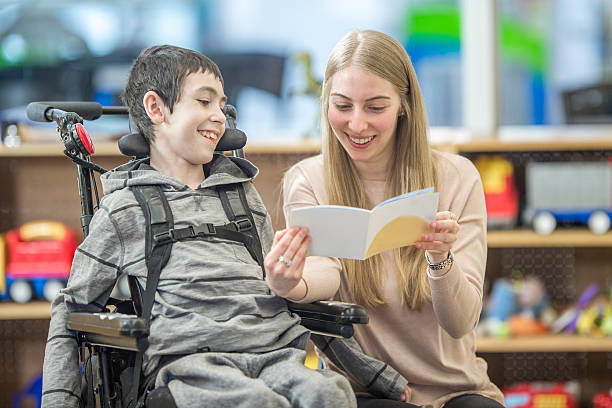
Roles and Responsibilities

๐Ÿ’ผ
Child-Welfare Specialist
Roles and Responsibilities
Assessment and Evaluation
Evaluate childrenโ€™s living conditions, family dynamics, and safety risks using standardized tools and observational techniques.
Identify cases of abuse, neglect, or other threats to child well-being based on social, psychological, or environmental factors.
Intervention and Case Management
Develop and implement individualized care plans to address specific child and family challenges like domestic violence or poverty.
Coordinate services such as counseling, foster care placement, or financial assistance to support child safety and family stability.
Child Advocacy
Advocate for childrenโ€™s rights and needs in legal, educational, or healthcare settings.
Represent childrenโ€™s interests in court proceedings or family mediation to ensure their voices are heard.
Reporting and Documentation
Maintain detailed records of assessments, intervention plans, and progress to ensure continuity of care.
Prepare reports and communicate findings to supervisors, legal authorities, or community partners.
Family Support and Rehabilitation
Assist families with parenting skills, conflict resolution, and access to resources to prevent child removal or improve family functioning.
Provide crisis intervention for families experiencing trauma or instability.
Counselling and Education
Offer guidance to children and families on coping strategies, safety plans, and life skills.
Educate communities and professionals on child welfare issues, prevention of abuse, and family support.
Consulting and Advisory
Advise schools, healthcare facilities, or organizations on creating child-safe environments.
Provide input on policies or programs for child protection and family welfare.
Research and Development
Conduct studies to improve child welfare practices or understand systemic issues affecting children better.
Contribute to academic publications or policy advancements in child protection.
Technology Integration
Use digital tools and databases to track case progress and connect families with resources.
Leverage tele-support platforms to provide remote assistance and expand access to care.
Interdisciplinary Collaboration
Work with social workers, psychologists, educators, and legal professionals to provide comprehensive care.
Partner with community organizations and government agencies to address child welfare needs in diverse settings.

Roles and Responsibilities:

  • Assessment and Evaluation
    • Evaluate childrenโ€™s living conditions, family dynamics, and safety risks using standardized tools and observational techniques.
    • Identify cases of abuse, neglect, or other threats to child well-being based on social, psychological, or environmental factors.
  • Intervention and Case Management
    • Develop and implement individualized care plans to address specific child and family challenges like domestic violence or poverty.
    • Coordinate services such as counseling, foster care placement, or financial assistance to support child safety and family stability.
  • Child Advocacy
    • Advocate for childrenโ€™s rights and needs in legal, educational, or healthcare settings.
    • Represent childrenโ€™s interests in court proceedings or family mediation to ensure their voices are heard.
  • Reporting and Documentation
    • Maintain detailed records of assessments, intervention plans, and progress to ensure continuity of care.
    • Prepare reports and communicate findings to supervisors, legal authorities, or community partners.
  • Family Support and Rehabilitation
    • Assist families with parenting skills, conflict resolution, and access to resources to prevent child removal or improve family functioning.
    • Provide crisis intervention for families experiencing trauma or instability.
  • Counselling and Education
    • Offer guidance to children and families on coping strategies, safety plans, and life skills.
    • Educate communities and professionals on child welfare issues, prevention of abuse, and family support.
  • Consulting and Advisory
    • Advise schools, healthcare facilities, or organizations on creating child-safe environments.
    • Provide input on policies or programs for child protection and family welfare.
  • Research and Development
    • Conduct studies to improve child welfare practices or understand systemic issues affecting children better.
    • Contribute to academic publications or policy advancements in child protection.
  • Technology Integration
    • Use digital tools and databases to track case progress and connect families with resources.
    • Leverage tele-support platforms to provide remote assistance and expand access to care.
  • Interdisciplinary Collaboration
    • Work with social workers, psychologists, educators, and legal professionals to provide comprehensive care.
    • Partner with community organizations and government agencies to address child welfare needs in diverse settings.

ย 

Study Route & Eligibility Criteria

Study Route & Eligibility Criteria
Child-Welfare Specialist
Route 1
๐ŸŽ“
1
10+2 with any stream .
๐Ÿ›๏ธ
2
Bachelor's degree in Social Work or Child Development .
3-4 years
๐Ÿ›๏ธ
3
Master's degree in Social Work with a focus on Child Welfare or Family Studies .
2 years
๐Ÿ’ผ
4
PhD in Social Work or Child Welfare Studies .
๐Ÿ’ผ
5
Postdoctoral research or field experience in specialized areas .
Route 2
๐ŸŽ“
1
10+2 with any stream .
๐Ÿ›๏ธ
2
Bachelor's degree in Psychology, Sociology, or Education .
3-4 years
๐Ÿ›๏ธ
3
Master's degree in Child Welfare, Social Work, or Counseling .
2 years
๐Ÿ’ผ
4
Specialized training in child protection or family intervention .
๐Ÿ’ผ
5
Practical experience through field internships.
Route 3
๐ŸŽ“
1
10+2 with any stream .
๐Ÿ›๏ธ
2
Bachelor's degree in Human Development or Community Services .
3-4 years
๐Ÿ›๏ธ
3
Master's degree in Child Welfare or Social Work .
2 years
๐Ÿ’ผ
4
Certification or short-term training in specific areas like child advocacy .
๐Ÿ’ผ
5
Field experience in child protection or family support settings.
Route 4
๐ŸŽ“
1
10+2 with any stream .
๐Ÿ›๏ธ
2
Bachelor's degree from India in relevant field .
3-4 years
๐ŸŽ“
3
Master's or PhD in Child Welfare or Social Work abroad .
2-5 years
๐Ÿ“š
4
Training or postdoctoral research in international programs .
1-3 years
๐Ÿ’ผ
5
Certification or licensure for international practice .
๐ŸŽฏ Child-Welfare Specialist - Professional

Significant Observations (Academic Related Points)

๐Ÿ’ก
Child-Welfare Specialist
Academic Related Points
1
Competitive Entrance Examinations:
Clearing university-specific entrance tests for Bachelor's and Master's programs or national-level exams for research fellowships in India and abroad is critical for entry into relevant programs.
2
Variable Academic Commitment:
Requires a journey of 5-9 years post-high school for most roles, with additional years for PhD or postdoctoral research in Child Welfare or Social Work.
3
Strong Foundation in Core Subjects:
Academic excellence in subjects like Sociology, Psychology, and Human Development during undergraduate studies is essential for understanding child and family challenges.
4
Practical Performance:
Hands-on field training during Bachelor's or Master's programs in child welfare is crucial for securing competitive positions in the field.
5
Research and Publications:
Engaging in research on child protection issues and publishing findings during academic or professional programs can enhance prospects for academic and policy roles.
6
Fellowship Selection:
Securing research fellowships or grants often requires a strong academic record, field skills, and relevant project experience in child welfare.
7
Continuous Education:
Mandatory participation in workshops, seminars, and short courses to stay updated with evolving child protection laws and practices.
8
Specialization Certification:
Obtaining certifications in niche areas like child advocacy or trauma-informed care can provide a competitive edge in the field.
9
Subspecialty Training:
Pursuing additional training in areas like foster care systems or child abuse prevention can enhance career prospects.
10
Language Proficiency for International Practice:
Clearing language proficiency tests like IELTS or TOEFL with high scores is often necessary for pursuing opportunities abroad.

Internships & Practical Exposure

๐Ÿ’ผ
Child-Welfare Specialist
Internships & Practical Experience
1
Internships in child protection agencies or social service organizations focusing on child welfare.
2
Field apprenticeships with experienced child-welfare specialists for hands-on case management.
3
Observerships in family courts or rehabilitation centers addressing child and family issues.
4
Participation in school-based programs supporting at-risk children and families.
5
Training in child safety assessment tools and intervention strategies under supervision.
6
Experience in community outreach programs promoting child rights and family support.
7
Involvement in multidisciplinary teams addressing child abuse or neglect cases.
8
Attendance at child welfare or social work conferences and workshops.
9
Exposure to tele-support platforms for remote family assistance.
10
Collaborative field work in international child welfare settings for global exposure.

Courses & Specializations to Enter the Field

๐Ÿ“š
Child-Welfare Specialist
Courses & Specializations
๐Ÿ“–
Bachelorโ€™s in Social Work (BSW), Child Development, or Psychology.
๐Ÿ“–
Bachelorโ€™s in Sociology, Education, or Human Development.
๐Ÿ“–
Masterโ€™s in Social Work (MSW) with Child Welfare or Family Studies focus.
๐Ÿ“–
PhD in Social Work or Child Welfare Studies.
๐Ÿ“–
Certification courses in Child Protection and Family Counseling.
๐Ÿ“–
Training in Trauma-Informed Care and Child Advocacy.
๐Ÿ“–
Specialized courses in Foster Care Systems and Child Abuse Prevention.
๐Ÿ“–
Masterโ€™s in Community Services with Child Welfare focus.
๐Ÿ“–
Continuing Education courses in Emerging Child Welfare Practices.
๐Ÿ“–
Short-term courses in Family Mediation and Crisis Intervention.

Prominent Employers

๐Ÿข
Child-Welfare Specialist
๐ŸŒŸ Top Companies & Organizations
๐Ÿ‡ฎ๐Ÿ‡ณ India
๐Ÿ›๏ธ
National Institute of Public Cooperation and Child Development (NIPCCD), New Delhi
๐Ÿ›๏ธ
Tata Institute of Social Sciences (TISS), Mumbai
๐Ÿ›๏ธ
Childline India Foundation, Pan-India
๐Ÿ›๏ธ
Ministry of Women and Child Development, Government of India
๐Ÿ›๏ธ
CRY (Child Rights and You), Pan-India
๐Ÿ›๏ธ
SOS Childrenโ€™s Villages India, Pan-India
๐Ÿ›๏ธ
National Commission for Protection of Child Rights (NCPCR), New Delhi
๐Ÿ›๏ธ
Plan India, Pan-India
๐Ÿ›๏ธ
Bachpan Bachao Andolan, New Delhi
๐Ÿ›๏ธ
Smile Foundation, Pan-India
๐ŸŒ International
๐ŸŒ
UNICEF (United Nations Childrenโ€™s Fund)
๐ŸŒ
Save the Children, Global
๐ŸŒ
World Vision International, Global
๐ŸŒ
Child Protective Services (CPS), USA
๐ŸŒ
National Society for the Prevention of Cruelty to Children (NSPCC), UK
๐ŸŒ
Childrenโ€™s Aid Society, Canada
๐ŸŒ
Australian Childhood Foundation, Australia
๐ŸŒ
Child Welfare League of America (CWLA), USA
๐ŸŒ
Barnardoโ€™s, UK
๐ŸŒ
Terre des Hommes, Global

Advice for Aspiring Child-Welfare Specialists

๐Ÿ’ก
Child-Welfare Specialist
๐ŸŒŸ Tips for Students & Parents
1
Build a strong foundation in social work, psychology, and child development during undergraduate studies to prepare for specialized learning.
2
Seek early exposure through internships or field observations to gain practical experience in child welfare settings.
3
Develop case management skills in assessment and intervention techniques during Bachelor's or Master's programs for a competitive edge.
4
Engage in interdisciplinary learning by exploring law, education, and mental health alongside child welfare studies.
5
Pursue field opportunities or fellowships to deepen expertise in niche areas like child protection or family reunification.
6
Cultivate mentoring relationships with established child-welfare specialists for career guidance and networking opportunities.
7
Stay updated with advancements in child protection laws, tele-support technologies, and evidence-based welfare practices.
8
Publish research findings or policy studies in professional journals to establish credibility and contribute to the field.
9
Consider international exposure through collaborative projects, conferences, or advanced training abroad to broaden perspectives.
10
Balance field expertise with communication skills to connect with children and families and explain complex concepts to stakeholders effectively.
๐ŸŽ“ Final Message
A career as a Child-Welfare Specialist offers a unique opportunity to impact individual lives, family stability, and societal well-being by addressing challenges that affect child safety and development. From protecting at-risk children to supporting families in crisis, Child-Welfare Specialists play a pivotal role in enhancing quality of life and fostering resilience in vulnerable populations. This field combines empathetic client care, interdisciplinary collaboration, and policy innovation, offering diverse paths in social services, advocacy, and research roles. For those passionate about child rights, problem-solving, and improving social outcomes, a career as a Child-Welfare Specialist provides a deeply rewarding journey with significant potential for making meaningful contributions to society in an era where child safety and family support continue to shape health strategies, educational innovations, and global responses across all sectors.
Knowledge & Skills You Will Learn
1
Technical expertise in child safety assessment tools and case management techniques
2
Observational accuracy in identifying signs of abuse, neglect, or family dysfunction in children
3
In-depth knowledge of child development, family dynamics, and social welfare systems
4
Critical thinking to develop and adapt individualized care plans for diverse family needs
5
Attention to detail to monitor progress and adjust interventions based on subtle changes in child or family situations
6
Time management to handle multiple cases and prioritize urgent child safety issues
7
Adaptability to learn and implement new child protection approaches and technologies in welfare services
8
Interpersonal skills for effective collaboration with children, families, educators, and legal professionals
9
Problem-solving ability to address challenges in child protection and family rehabilitation
10
Ethical awareness to manage sensitive issues like confidentiality and cultural differences in care
Established Child-Welfare Specialist

Established Child-Welfare Specialist

Mid-career specialists maintain active roles in field or administrative settings, often developing subspecialty interests within child welfare...

0.0LPA

Senior Child-Welfare Specialist/Team Lead

Senior Child-Welfare Specialist/Team Lead

Experienced specialists often take leadership roles, overseeing case teams or welfare programs while mentoring junior staff and shaping...

0.0LPA

Program Director/Policy Advisor

Program Director/Policy Advisor

Top-level specialists may direct child welfare programs or advise on policy, combining field expertise with administrative leadership and advocacy...

0.0LPA

Interested in this career?

Take the next step and explore more about Child-Welfare Specialist.