Biomedical Engineer

Summary

Biomedical Engineer

Share :
✨ Radial Mind Map - Biomedical Engineer
Nodes arranged in concentric circles

Loading radial mind map...

Overview

A Biomedical Engineer is a specialized professional who applies engineering principles and design concepts to medicine and biology to develop solutions for healthcare challenges. They work in industries such as medical device manufacturing, hospitals, research institutions, and biotechnology firms, collaborating with doctors, scientists, and regulatory bodies. Biomedical Engineers play a crucial role in advancing medical technology, improving patient care, and enhancing diagnostic and therapeutic methods in a field driven by innovation, interdisciplinary collaboration, and patient-centric outcomes.
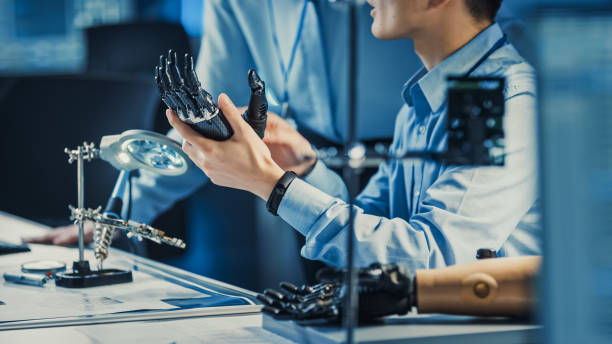
Biomedical Engineers are innovative and detail-oriented individuals who operate in diverse environments such as laboratories, hospitals, manufacturing facilities, or academic settings, using tools like CAD software, biomechanical testing equipment, and medical imaging systems. Their role involves designing medical devices, conducting research on biomaterials, and ensuring compliance with healthcare regulations, often facing challenges like integrating complex technologies with biological systems. They combine expertise in engineering, biology, and clinical needs to deliver life-changing solutions. As key contributors to healthcare innovation, they help shape the future of medical diagnostics, prosthetics, and personalized medicine in a sector increasingly driven by AI, robotics, and data analytics.

Roles and Responsibilities

💼
Biomedical Engineer
Roles and Responsibilities
Medical Device Design and Development
Design and prototype medical devices such as pacemakers, artificial organs, or diagnostic tools.
Test and refine devices to ensure safety, functionality, and user-friendliness.
Biomaterials Research and Application
Develop and evaluate materials for implants, prosthetics, or tissue engineering.
Ensure biocompatibility and durability of materials for medical use.
Clinical Equipment Maintenance and Support
Install, maintain, and repair biomedical equipment in hospitals or clinics.
Train healthcare staff on proper use and troubleshooting of devices.
Regulatory Compliance and Quality Assurance
Ensure products meet standards set by regulatory bodies like FDA or CDSCO.
Conduct risk assessments and quality control for medical technologies.
Biomechanical Analysis and Modeling
Analyze human movement or tissue mechanics to design assistive devices or therapies.
Use computational models to simulate biological systems for research.
Research and Innovation
Conduct research on emerging fields like nanotechnology or regenerative medicine.
Collaborate with medical professionals to address unmet clinical needs.
Data Analysis and Health Informatics
Develop algorithms or software for medical imaging, diagnostics, or patient monitoring.
Analyze clinical data to improve device performance or treatment outcomes.
Project Management and Collaboration
Manage interdisciplinary projects involving engineers, clinicians, and researchers.
Coordinate with manufacturers to scale up production of medical technologies.
Patient-Centric Solution Development
Design personalized medical solutions tailored to individual patient needs.
Evaluate user feedback to iterate and improve healthcare products.
Foundational Knowledge:
Strong understanding of engineering principles, biology, and medical sciences is essential for practice.
Practical Skills:
Training in device prototyping, testing, and clinical applications develops core competencies.
Specialized Training:
Certifications in medical imaging or regulatory affairs are critical for modern roles.
Technology Proficiency:
Familiarity with CAD software and bioinformatics tools is vital for current trends.
Interdisciplinary Knowledge:
Understanding physiology, chemistry, and data science enhances healthcare solutions.
Certification Importance:
Recognized credentials like CBET (Certified Biomedical Equipment Technician) boost professional credibility.
Continuing Education:
Regular updates on medical technologies and regulations are necessary to stay relevant.
Global Standards:
Familiarity with international standards like ISO 13485 enhances opportunities for global roles.
Attention to Detail:
Precision in device design and safety protocols is critical for patient outcomes.
Entrance Examination Success:
Competitive exams may be required for admission to top biomedical programs.
International Testing Requirements:
Language proficiency tests like IELTS may be needed for global opportunities.
JEE Main (Joint Entrance Examination Main):
For admission to B.Tech programs at NITs and other engineering colleges in India.
JEE Advanced:
For admission to B.Tech programs at Indian Institutes of Technology (IITs).
GATE (Graduate Aptitude Test in Engineering):
For admission to M.Tech programs in Biomedical Engineering at IITs, NITs, and other institutes.
BITSAT (Birla Institute of Technology and Science Admission Test):
For admission to B.E. programs at BITS Pilani campuses.
VITEEE (Vellore Institute of Technology Engineering Entrance Examination):
For admission to B.Tech programs at VIT University.
NEET (National Eligibility cum Entrance Test) (for specific programs):
Occasionally required for biomedical programs with a medical focus at institutes like AIIMS.
GRE (Graduate Record Examination):
Required for admission to graduate programs in biomedical engineering in the USA, Canada, and other countries at universities like MIT or Stanford.
GMAT (Graduate Management Admission Test):
Occasionally required for engineering management programs related to biomedical technology internationally.
TOEFL (Test of English as a Foreign Language):
Minimum score of 80-100 required for non-native speakers applying to biomedical engineering programs in English-speaking countries like the USA, Canada, or Australia.
IELTS (International English Language Testing System):
Minimum score of 6.5-7.0 required for admission to biomedical engineering programs in the UK, Australia, and other English-speaking regions.
SAT (Scholastic Assessment Test):
Required for undergraduate biomedical engineering programs in the USA at universities like Johns Hopkins or UC San Diego.
Portfolio or Interview:
Certain programs may assess candidates through technical interviews or project portfolios to evaluate fit for biomedical engineering roles.
Digital Transformation:
Increasing focus on AI and IoT for smart medical devices and telemedicine.
Rising Demand:
Growing need for professionals skilled in robotics and personalized medicine.
Technology Impact:
Enhanced use of machine learning for diagnostics and predictive healthcare.
Interdisciplinary Focus:
Emergence of collaboration with data scientists and geneticists.
AI and Health Tools:
Adoption of AI for imaging analysis and robotic surgery systems.
Global Market Needs:
Development of affordable medical technologies for emerging markets.
Compliance-Centric Market:
Use of data to ensure transparency in device safety and efficacy.
Skill Development Needs:
Growing necessity for training in cybersecurity for medical devices.
Sustainability Focus:
Increased efforts to create eco-friendly and reusable medical products.
Hybrid Healthcare Models:
Blending traditional devices with digital health for broader accessibility.
Robert Langer (USA):
MIT Professor and co-founder of Moderna, known for pioneering drug delivery systems and tissue engineering. His innovations save lives. His impact transforms medicine.
Dean Kamen (USA):
Inventor of the Segway and iBOT wheelchair, founder of DEKA, advancing medical devices like portable dialysis. His creations empower patients. His impact redefines mobility.
Uma Chowdhry (India/USA):
Former CTO of DuPont, instrumental in biomaterials for medical applications and sustainable healthcare. Her leadership drives innovation. Her impact bridges industries.
Katherine Ferrara (USA):
Professor at Stanford, expert in ultrasound imaging and targeted drug delivery for cancer treatment. Her research enhances diagnostics. Her impact improves therapies.
Roderic Pettigrew (USA):
Former Director of NIBIB at NIH, advancing biomedical imaging and bioengineering for global health. His vision shapes policy. His impact accelerates research.
Sangeeta Bhatia (India/USA):
MIT Professor, known for developing micro-liver technologies and nanotechnology for diagnostics. Her work revolutionizes testing. Her impact personalizes care.
Y.C. Fung (USA/China):
Father of Biomechanics, UC San Diego Professor, whose theories on tissue mechanics underpin modern prosthetics. His models guide design. His impact strengthens engineering.
Molly Stevens (UK):
Professor at Imperial College London, leading research in biomaterials and regenerative medicine for bone repair. Her solutions heal injuries. Her impact regenerates lives.
Ashok Gadgil (India/USA):
UC Berkeley Professor, innovator in low-cost medical technologies for developing regions like UV water purifiers. His devices protect health. His impact aids millions.
Jennifer Doudna (USA):
Co-inventor of CRISPR, UC Berkeley Professor, whose gene-editing technology influences biomedical engineering for therapies. Her breakthrough cures diseases. Her impact reshapes futures.

Roles and Responsibilities

  • Medical Device Design and Development
    • Design and prototype medical devices such as pacemakers, artificial organs, or diagnostic tools.
    • Test and refine devices to ensure safety, functionality, and user-friendliness.
  • Biomaterials Research and Application
    • Develop and evaluate materials for implants, prosthetics, or tissue engineering.
    • Ensure biocompatibility and durability of materials for medical use.
  • Clinical Equipment Maintenance and Support
    • Install, maintain, and repair biomedical equipment in hospitals or clinics.
    • Train healthcare staff on proper use and troubleshooting of devices.
  • Regulatory Compliance and Quality Assurance
    • Ensure products meet standards set by regulatory bodies like FDA or CDSCO.
    • Conduct risk assessments and quality control for medical technologies.
  • Biomechanical Analysis and Modeling
    • Analyze human movement or tissue mechanics to design assistive devices or therapies.
    • Use computational models to simulate biological systems for research.
  • Research and Innovation
    • Conduct research on emerging fields like nanotechnology or regenerative medicine.
    • Collaborate with medical professionals to address unmet clinical needs.
  • Data Analysis and Health Informatics
    • Develop algorithms or software for medical imaging, diagnostics, or patient monitoring.
    • Analyze clinical data to improve device performance or treatment outcomes.
  • Project Management and Collaboration
    • Manage interdisciplinary projects involving engineers, clinicians, and researchers.
    • Coordinate with manufacturers to scale up production of medical technologies.
  • Patient-Centric Solution Development
    • Design personalized medical solutions tailored to individual patient needs.
    • Evaluate user feedback to iterate and improve healthcare products.


Study Route & Eligibility Criteria

RouteSteps
Route 1

1. 10+2 in Science (Physics, Chemistry, Biology/Mathematics) 

2. Certificate/Diploma in Biomedical Engineering (6 months-2 years) 

3. Internship at medical device firms or hospitals 

4. Practice as Junior Biomedical Technician

Route 2

1. 10+2 in Science (Physics, Chemistry, Biology/Mathematics) 

2. Bachelor’s degree in Biomedical Engineering (4 years) 

3. Internship or entry-level role in healthcare firms 

4. Work as Biomedical Engineer

Route 3

1. 10+2 in Science (Physics, Chemistry, Biology/Mathematics) 

2. Bachelor’s degree in Biomedical Engineering (4 years) 

3. Master’s degree in Biomedical Engineering or Bioengineering (2 years) 

4. Gain experience in specialized roles 

5. Work as Senior Biomedical Engineer or Project Lead

Route 4

1. 10+2 in Science (Physics, Chemistry, Biology/Mathematics) 

2. Bachelor’s degree in Biomedical Engineering (4 years) 

3. Master’s degree in Biomedical Engineering (2 years) 

4. Ph.D. in Biomedical Engineering or related field (3-5 years) 

5. Practice as Biomedical Engineering Consultant or Academic Lead


Significant Observations (Academic Related Points)

  • Foundational Knowledge: Strong understanding of engineering principles, biology, and medical sciences is essential for practice.
  • Practical Skills: Training in device prototyping, testing, and clinical applications develops core competencies.
  • Specialized Training: Certifications in medical imaging or regulatory affairs are critical for modern roles.
  • Technology Proficiency: Familiarity with CAD software and bioinformatics tools is vital for current trends.
  • Interdisciplinary Knowledge: Understanding physiology, chemistry, and data science enhances healthcare solutions.
  • Certification Importance: Recognized credentials like CBET (Certified Biomedical Equipment Technician) boost professional credibility.
  • Continuing Education: Regular updates on medical technologies and regulations are necessary to stay relevant.
  • Global Standards: Familiarity with international standards like ISO 13485 enhances opportunities for global roles.
  • Attention to Detail: Precision in device design and safety protocols is critical for patient outcomes.
  • Entrance Examination Success: Competitive exams may be required for admission to top biomedical programs.
  • International Testing Requirements: Language proficiency tests like IELTS may be needed for global opportunities.


Internships & Practical Exposure

  • Mandatory internships during degree programs at hospitals or medical device companies for real-world experience.
  • Rotations in device design, clinical engineering, and research for hands-on exposure to diverse tasks.
  • Internships under experienced biomedical engineers for training in prototyping and testing.
  • Observerships at healthcare facilities or R&D labs for applied insights into medical technology.
  • Participation in mock device development or clinical trials for skill development in innovation.
  • Training in medical software through real-world projects like imaging system optimization.
  • Exposure to live clinical environments during internships for skills in equipment support and safety.
  • Volunteer roles in healthcare NGOs to build a portfolio.
  • Community engagement projects for promoting medical technology access or education.
  • International biomedical attachments for global exposure to advanced healthcare technologies.


Courses & Specializations to Enter the Field

  • Certificate in Biomedical Equipment Technology or Medical Device Design.
  • Diploma in Biomedical Engineering.
  • Bachelor’s in Biomedical Engineering, Bioengineering, or Biotechnology.
  • Master’s in Biomedical Engineering, Medical Technology, or Tissue Engineering.
  • Specialization in Medical Imaging, Biomaterials, or Robotics in Healthcare.
  • Workshops on Biomechanics or Regulatory Compliance for Medical Devices.
  • Training in Clinical Engineering or Health Informatics.
  • Specialization in Regenerative Medicine or Neural Engineering.
  • Certification in Medical Device Quality Assurance or Bioinformatics.
  • Short courses in 3D Printing for Medical Applications or AI in Healthcare.


Top Institutes for Biomedical Engineering Education (India)

InstituteCourse/ProgramOfficial Link
Indian Institute of Technology (IIT), DelhiB.Tech/M.Tech in Biomedical Engineeringhttps://home.iitd.ac.in/
Indian Institute of Technology (IIT), BombayB.Tech/M.Tech in Biomedical Engineeringhttps://www.iitb.ac.in/
Indian Institute of Technology (IIT), MadrasB.Tech/M.Tech in Biomedical Engineeringhttps://www.iitm.ac.in/
All India Institute of Medical Sciences (AIIMS), DelhiM.Tech in Biomedical Engineeringhttps://www.aiims.edu/
Vellore Institute of Technology (VIT), VelloreB.Tech/M.Tech in Biomedical Engineeringhttps://vit.ac.in/
Manipal Institute of Technology (MIT), ManipalB.Tech/M.Tech in Biomedical Engineeringhttps://manipal.edu/mit.html
SRM Institute of Science and Technology, ChennaiB.Tech/M.Tech in Biomedical Engineeringhttps://www.srmist.edu.in/
Amrita Vishwa Vidyapeetham, CoimbatoreB.Tech/M.Tech in Biomedical Engineeringhttps://www.amrita.edu/
Jadavpur University, KolkataB.E./M.E. in Biomedical Engineeringhttps://www.jaduniv.edu.in/
Birla Institute of Technology and Science (BITS), PilaniB.E./M.E. in Biotechnology (Biomedical Focus)https://www.bits-pilani.ac.in/


Top International Institutes

InstitutionCourseCountryOfficial Link
Massachusetts Institute of Technology (MIT), Department of Biological EngineeringMS/PhD in Biomedical EngineeringUSAhttps://be.mit.edu/
Stanford University, Department of BioengineeringMS/PhD in BioengineeringUSAhttps://bioengineering.stanford.edu/
Johns Hopkins University, Department of Biomedical EngineeringMS/PhD in Biomedical EngineeringUSAhttps://www.bme.jhu.edu/
University of California, San Diego, Department of BioengineeringMS/PhD in BioengineeringUSAhttps://be.ucsd.edu/
University College London (UCL), Department of Medical Physics & Biomedical EngineeringMSc/PhD in Biomedical EngineeringUKhttps://www.ucl.ac.uk/medical-physics-biomedical-engineering/
ETH Zurich, Department of Health Sciences and TechnologyMSc/PhD in Biomedical EngineeringSwitzerlandhttps://hest.ethz.ch/en/
University of Toronto, Institute of Biomedical EngineeringMASc/PhD in Biomedical EngineeringCanadahttps://bme.utoronto.ca/
National University of Singapore (NUS), Department of Biomedical EngineeringMEng/PhD in Biomedical EngineeringSingaporehttps://www.eng.nus.edu.sg/bme/
Imperial College London, Department of BioengineeringMSc/PhD in BioengineeringUKhttps://www.imperial.ac.uk/bioengineering/
University of Melbourne, Department of Biomedical EngineeringMEng/PhD in Biomedical EngineeringAustraliahttps://biomedical.eng.unimelb.edu.au/


Entrance Tests Required

India:

  • JEE Main (Joint Entrance Examination Main): For admission to B.Tech programs at NITs and other engineering colleges in India.
  • JEE Advanced: For admission to B.Tech programs at Indian Institutes of Technology (IITs).
  • GATE (Graduate Aptitude Test in Engineering): For admission to M.Tech programs in Biomedical Engineering at IITs, NITs, and other institutes.
  • BITSAT (Birla Institute of Technology and Science Admission Test): For admission to B.E. programs at BITS Pilani campuses.
  • VITEEE (Vellore Institute of Technology Engineering Entrance Examination): For admission to B.Tech programs at VIT University.
  • NEET (National Eligibility cum Entrance Test) (for specific programs): Occasionally required for biomedical programs with a medical focus at institutes like AIIMS.


International:

  • GRE (Graduate Record Examination): Required for admission to graduate programs in biomedical engineering in the USA, Canada, and other countries at universities like MIT or Stanford.
  • GMAT (Graduate Management Admission Test): Occasionally required for engineering management programs related to biomedical technology internationally.
  • TOEFL (Test of English as a Foreign Language): Minimum score of 80-100 required for non-native speakers applying to biomedical engineering programs in English-speaking countries like the USA, Canada, or Australia.
  • IELTS (International English Language Testing System): Minimum score of 6.5-7.0 required for admission to biomedical engineering programs in the UK, Australia, and other English-speaking regions.
  • SAT (Scholastic Assessment Test): Required for undergraduate biomedical engineering programs in the USA at universities like Johns Hopkins or UC San Diego.
  • Portfolio or Interview: Certain programs may assess candidates through technical interviews or project portfolios to evaluate fit for biomedical engineering roles.


Ideal Progressing Career Path 

Junior Biomedical Technician → Biomedical Engineer → Senior Biomedical Engineer → Biomedical Project Manager → Clinical Engineering Manager → Regional Biomedical Technology Head → National Healthcare Technology Director → Chief Biomedical Engineering Officer → Biomedical Engineering Consultant → Biomedical Engineering Professor


Major Areas of Employment

  • Medical device companies for designing and manufacturing healthcare products.
  • Hospitals and clinics for managing and maintaining biomedical equipment.
  • Research institutions for innovating medical technologies and therapies.
  • Biotechnology firms for developing biocompatible materials or drugs.
  • Government health departments for policy and regulatory roles in medical technology.
  • Consulting firms for advising on biomedical projects and compliance.
  • Pharmaceutical companies for integrating engineering in drug delivery systems.
  • Academic institutions for teaching and conducting biomedical research.
  • Rehabilitation centers for designing assistive devices and prosthetics.
  • Startups for pioneering cutting-edge healthcare solutions.


Prominent Employers

IndiaInternational
Medtronic India, Multiple LocationsMedtronic, Global
Siemens Healthineers India, Multiple LocationsSiemens Healthineers, Global
Philips Healthcare India, Multiple LocationsPhilips Healthcare, Global
GE Healthcare India, Multiple LocationsGE Healthcare, Global
Wipro GE Healthcare, Multiple LocationsJohnson & Johnson, Global
Stryker India, Multiple LocationsStryker, Global
Boston Scientific India, Multiple LocationsBoston Scientific, Global
HCL Healthcare, Multiple LocationsAbbott Laboratories, Global
Tata Elxsi (Healthcare Division), Multiple LocationsIntuitive Surgical, USA
Biocon (Biotech Division), BangaloreZimmer Biomet, Global


Pros and Cons of the Profession

ProsCons
Opportunity to improve patient lives through technologyOften involves complex challenges in integrating biology and engineering
High personal satisfaction in creating life-saving solutionsCan face stress from ensuring device safety and reliability
Rewarding role in a rapidly evolving healthcare industryMay require long hours during product development or clinical trials
Diverse career paths across medical devices, research, and clinical rolesRisk of regulatory hurdles delaying product launches
Strong potential for growth with increasing healthcare demandsUncertainty in adapting to fast-changing medical technologies


Industry Trends and Future Outlook

  • Digital Transformation: Increasing focus on AI and IoT for smart medical devices and telemedicine.
  • Rising Demand: Growing need for professionals skilled in robotics and personalized medicine.
  • Technology Impact: Enhanced use of machine learning for diagnostics and predictive healthcare.
  • Interdisciplinary Focus: Emergence of collaboration with data scientists and geneticists.
  • AI and Health Tools: Adoption of AI for imaging analysis and robotic surgery systems.
  • Global Market Needs: Development of affordable medical technologies for emerging markets.
  • Compliance-Centric Market: Use of data to ensure transparency in device safety and efficacy.
  • Skill Development Needs: Growing necessity for training in cybersecurity for medical devices.
  • Sustainability Focus: Increased efforts to create eco-friendly and reusable medical products.
  • Hybrid Healthcare Models: Blending traditional devices with digital health for broader accessibility.


Salary Expectations

Career LevelIndia (₹ per annum)International (USD per annum)
Junior Biomedical Technician (Early Career)3,00,000 - 6,00,00035,000 - 50,000
Biomedical Engineer (Mid-Career)6,00,000 - 12,00,00050,000 - 75,000
Senior Biomedical Engineer/Project Manager12,00,000 - 20,00,00075,000 - 100,000
Clinical Engineering Manager/Regional Head20,00,000 - 30,00,000100,000 - 130,000
Chief Biomedical Engineering Officer/Consultant30,00,000+130,000+
Note: Salaries may vary based on location, employer, experience, and specialization.  


Key Software Tools

  • CAD Software (e.g., SolidWorks, AutoCAD) for medical device design and prototyping.
  • Simulation Software (e.g., ANSYS, COMSOL Multiphysics) for biomechanical modeling.
  • Medical Imaging Software (e.g., MATLAB, Mimics) for analysis and visualization.
  • Bioinformatics Tools (e.g., BLAST, Bioconductor) for genetic and protein analysis.
  • Data Analytics Platforms (e.g., Tableau, R) for clinical data interpretation.
  • Health Informatics Software (e.g., Epic Systems, Cerner) for patient data management.
  • Collaboration Platforms (e.g., Microsoft Teams, Slack) for team coordination.
  • Regulatory Compliance Tools (e.g., MasterControl) for managing quality and standards.
  • 3D Printing Software (e.g., Cura, Simplify3D) for creating medical models and implants.


Professional Organizations and Networks

  • Biomedical Engineering Society (BMES), Global.
  • International Federation for Medical and Biological Engineering (IFMBE), Global.
  • Association for the Advancement of Medical Instrumentation (AAMI), USA.
  • Indian Biomedical Engineering Society (IBES), India.
  • European Alliance for Medical and Biological Engineering & Science (EAMBES), Europe.
  • Canadian Medical and Biological Engineering Society (CMBES), Canada.
  • Australasian College of Physical Scientists and Engineers in Medicine (ACPSEM), Australia.


Notable Biomedical Engineering Professionals and Industry Leaders (Top 10)

  • Robert Langer (USA): MIT Professor and co-founder of Moderna, known for pioneering drug delivery systems and tissue engineering. His innovations save lives. His impact transforms medicine.
     
  • Dean Kamen (USA): Inventor of the Segway and iBOT wheelchair, founder of DEKA, advancing medical devices like portable dialysis. His creations empower patients. His impact redefines mobility.
     
  • Uma Chowdhry (India/USA): Former CTO of DuPont, instrumental in biomaterials for medical applications and sustainable healthcare. Her leadership drives innovation. Her impact bridges industries.
     
  • Katherine Ferrara (USA): Professor at Stanford, expert in ultrasound imaging and targeted drug delivery for cancer treatment. Her research enhances diagnostics. Her impact improves therapies.
     
  • Roderic Pettigrew (USA): Former Director of NIBIB at NIH, advancing biomedical imaging and bioengineering for global health. His vision shapes policy. His impact accelerates research.
     
  • Sangeeta Bhatia (India/USA): MIT Professor, known for developing micro-liver technologies and nanotechnology for diagnostics. Her work revolutionizes testing. Her impact personalizes care.
     
  • Y.C. Fung (USA/China): Father of Biomechanics, UC San Diego Professor, whose theories on tissue mechanics underpin modern prosthetics. His models guide design. His impact strengthens engineering.
     
  • Molly Stevens (UK): Professor at Imperial College London, leading research in biomaterials and regenerative medicine for bone repair. Her solutions heal injuries. Her impact regenerates lives.
     
  • Ashok Gadgil (India/USA): UC Berkeley Professor, innovator in low-cost medical technologies for developing regions like UV water purifiers. His devices protect health. His impact aids millions.
     
  • Jennifer Doudna (USA): Co-inventor of CRISPR, UC Berkeley Professor, whose gene-editing technology influences biomedical engineering for therapies. Her breakthrough cures diseases. Her impact reshapes futures.
     

Advice for Aspiring Biomedical Engineers

  • Build a strong foundation in engineering and biology to navigate interdisciplinary challenges.
  • Seek early exposure to biomedical roles through internships to confirm interest in healthcare technology.
  • Prepare thoroughly for entrance exams like JEE or GATE with focused study plans.
  • Pursue short courses in medical imaging or biomaterials to gain expertise in key areas.
  • Stay updated on healthcare trends by following resources like BMES or WHO reports.
  • Develop hands-on skills in device design and clinical applications through practical projects.
  • Engage in internships at hospitals or medical device firms for real-world exposure.
  • Join professional associations like BMES or IFMBE for networking and resources.
  • Work on precision in device development and safety to ensure positive patient outcomes.
  • Explore international opportunities for exposure to global medical technology standards.
  • Volunteer in healthcare initiatives to understand diverse clinical needs.
  • Cultivate adaptability to handle evolving medical technologies and patient requirements.
  • Attend continuing education programs to stay abreast of biomedical tools and regulations.
  • Build a network with healthcare professionals and engineers for collaborative growth.
  • Develop resilience to manage the high-stakes and ethical demands of biomedical work.
  • Balance technical expertise with empathy to adapt to evolving healthcare challenges.


A career in Biomedical Engineering offers a profound opportunity to heal and innovate, driving progress through cutting-edge technology and medical solutions, fostering well-being with every advancement. Biomedical Engineers are the architects of healthcare innovation, using their skills to empower patients, address medical challenges, and promote life-saving technologies across diverse settings. This profession blends technical precision with human impact, providing pathways in medical devices, research, clinical engineering, and beyond. For those passionate about technology and health, driven by a desire to improve lives, and eager to embrace the evolving landscape of digital health and personalized medicine, becoming a Biomedical Engineer is a deeply rewarding journey. It empowers individuals to shape healthier futures, address critical medical needs, and advance human progress through the transformative power of biomedical innovation.

Study Route & Eligibility Criteria

Study Route & Eligibility Criteria
Biomedical Engineer
Route 1
🎓
1
10+2 in Science
🎓
2
Certificate/Diploma in Biomedical Engineering
💼
3
Internship at medical device firms or hospitals
💼
4
Practice as Junior Biomedical Technician
Route 2
🎓
1
10+2 in Science
🏛️
2
Bachelor’s degree in Biomedical Engineering
4 years
💼
3
Internship or entry-level role in healthcare firms
💼
4
Work as Biomedical Engineer
Route 3
🎓
1
10+2 in Science
🏛️
2
Bachelor’s degree in Biomedical Engineering
4 years
🏛️
3
Master’s degree in Biomedical Engineering or Bioengineering
2 years
💼
4
Gain experience in specialized roles
💼
5
Work as Senior Biomedical Engineer or Project Lead
Route 4
🎓
1
10+2 in Science
🏛️
2
Bachelor’s degree in Biomedical Engineering
4 years
🏛️
3
Master’s degree in Biomedical Engineering
2 years
💼
4
Ph.D. in Biomedical Engineering or related field
3-5 years
💼
5
Practice as Biomedical Engineering Consultant or Academic Lead
🎯 Biomedical Engineer - Professional

Significant Observations (Academic Related Points)

💡
Biomedical Engineer
Academic Related Points
1
Foundational Knowledge:
Strong understanding of engineering principles, biology, and medical sciences is essential for practice.
2
Practical Skills:
Training in device prototyping, testing, and clinical applications develops core competencies.
3
Specialized Training:
Certifications in medical imaging or regulatory affairs are critical for modern roles.
4
Technology Proficiency:
Familiarity with CAD software and bioinformatics tools is vital for current trends.
5
Interdisciplinary Knowledge:
Understanding physiology, chemistry, and data science enhances healthcare solutions.
6
Certification Importance:
Recognized credentials like CBET (Certified Biomedical Equipment Technician) boost professional credibility.
7
Continuing Education:
Regular updates on medical technologies and regulations are necessary to stay relevant.
8
Global Standards:
Familiarity with international standards like ISO 13485 enhances opportunities for global roles.
9
Attention to Detail:
Precision in device design and safety protocols is critical for patient outcomes.
10
Entrance Examination Success:
Competitive exams may be required for admission to top biomedical programs.
11
International Testing Requirements:
Language proficiency tests like IELTS may be needed for global opportunities.
12
JEE Main (Joint Entrance Examination Main):
For admission to B.Tech programs at NITs and other engineering colleges in India.
13
JEE Advanced:
For admission to B.Tech programs at Indian Institutes of Technology (IITs).
14
GATE (Graduate Aptitude Test in Engineering):
For admission to M.Tech programs in Biomedical Engineering at IITs, NITs, and other institutes.
15
BITSAT (Birla Institute of Technology and Science Admission Test):
For admission to B.E. programs at BITS Pilani campuses.
16
VITEEE (Vellore Institute of Technology Engineering Entrance Examination):
For admission to B.Tech programs at VIT University.
17
NEET (National Eligibility cum Entrance Test) (for specific programs):
Occasionally required for biomedical programs with a medical focus at institutes like AIIMS.
18
GRE (Graduate Record Examination):
Required for admission to graduate programs in biomedical engineering in the USA, Canada, and other countries at universities like MIT or Stanford.
19
GMAT (Graduate Management Admission Test):
Occasionally required for engineering management programs related to biomedical technology internationally.
20
TOEFL (Test of English as a Foreign Language):
Minimum score of 80-100 required for non-native speakers applying to biomedical engineering programs in English-speaking countries like the USA, Canada, or Australia.
21
IELTS (International English Language Testing System):
Minimum score of 6.5-7.0 required for admission to biomedical engineering programs in the UK, Australia, and other English-speaking regions.
22
SAT (Scholastic Assessment Test):
Required for undergraduate biomedical engineering programs in the USA at universities like Johns Hopkins or UC San Diego.
23
Portfolio or Interview:
Certain programs may assess candidates through technical interviews or project portfolios to evaluate fit for biomedical engineering roles.
24
Digital Transformation:
Increasing focus on AI and IoT for smart medical devices and telemedicine.
25
Rising Demand:
Growing need for professionals skilled in robotics and personalized medicine.
26
Technology Impact:
Enhanced use of machine learning for diagnostics and predictive healthcare.
27
Interdisciplinary Focus:
Emergence of collaboration with data scientists and geneticists.
28
AI and Health Tools:
Adoption of AI for imaging analysis and robotic surgery systems.
29
Global Market Needs:
Development of affordable medical technologies for emerging markets.
30
Compliance-Centric Market:
Use of data to ensure transparency in device safety and efficacy.
31
Skill Development Needs:
Growing necessity for training in cybersecurity for medical devices.
32
Sustainability Focus:
Increased efforts to create eco-friendly and reusable medical products.
33
Hybrid Healthcare Models:
Blending traditional devices with digital health for broader accessibility.
34
Robert Langer (USA):
MIT Professor and co-founder of Moderna, known for pioneering drug delivery systems and tissue engineering. His innovations save lives. His impact transforms medicine.
35
Dean Kamen (USA):
Inventor of the Segway and iBOT wheelchair, founder of DEKA, advancing medical devices like portable dialysis. His creations empower patients. His impact redefines mobility.
36
Uma Chowdhry (India/USA):
Former CTO of DuPont, instrumental in biomaterials for medical applications and sustainable healthcare. Her leadership drives innovation. Her impact bridges industries.
37
Katherine Ferrara (USA):
Professor at Stanford, expert in ultrasound imaging and targeted drug delivery for cancer treatment. Her research enhances diagnostics. Her impact improves therapies.
38
Roderic Pettigrew (USA):
Former Director of NIBIB at NIH, advancing biomedical imaging and bioengineering for global health. His vision shapes policy. His impact accelerates research.
39
Sangeeta Bhatia (India/USA):
MIT Professor, known for developing micro-liver technologies and nanotechnology for diagnostics. Her work revolutionizes testing. Her impact personalizes care.
40
Y.C. Fung (USA/China):
Father of Biomechanics, UC San Diego Professor, whose theories on tissue mechanics underpin modern prosthetics. His models guide design. His impact strengthens engineering.
41
Molly Stevens (UK):
Professor at Imperial College London, leading research in biomaterials and regenerative medicine for bone repair. Her solutions heal injuries. Her impact regenerates lives.
42
Ashok Gadgil (India/USA):
UC Berkeley Professor, innovator in low-cost medical technologies for developing regions like UV water purifiers. His devices protect health. His impact aids millions.
43
Jennifer Doudna (USA):
Co-inventor of CRISPR, UC Berkeley Professor, whose gene-editing technology influences biomedical engineering for therapies. Her breakthrough cures diseases. Her impact reshapes futures.

Internships & Practical Exposure

💼
Biomedical Engineer
Internships & Practical Experience
1
Mandatory internships during degree programs at hospitals or medical device companies for real-world experience.
2
Rotations in device design, clinical engineering, and research for hands-on exposure to diverse tasks.
3
Internships under experienced biomedical engineers for training in prototyping and testing.
4
Observerships at healthcare facilities or R&D labs for applied insights into medical technology.
5
Participation in mock device development or clinical trials for skill development in innovation.
6
Training in medical software through real-world projects like imaging system optimization.
7
Exposure to live clinical environments during internships for skills in equipment support and safety.
8
Volunteer roles in healthcare NGOs to build a portfolio.
9
Community engagement projects for promoting medical technology access or education.
10
International biomedical attachments for global exposure to advanced healthcare technologies.
11
Certificate in Biomedical Equipment Technology or Medical Device Design.
12
Diploma in Biomedical Engineering.
13
Bachelor’s in Biomedical Engineering, Bioengineering, or Biotechnology.
14
Master’s in Biomedical Engineering, Medical Technology, or Tissue Engineering.
15
Specialization in Medical Imaging, Biomaterials, or Robotics in Healthcare.
16
Workshops on Biomechanics or Regulatory Compliance for Medical Devices.
17
Training in Clinical Engineering or Health Informatics.
18
Specialization in Regenerative Medicine or Neural Engineering.
19
Certification in Medical Device Quality Assurance or Bioinformatics.
20
Short courses in 3D Printing for Medical Applications or AI in Healthcare.
21
JEE Main (Joint Entrance Examination Main):For admission to B.Tech programs at NITs and other engineering colleges in India.
22
JEE Advanced:For admission to B.Tech programs at Indian Institutes of Technology (IITs).
23
GATE (Graduate Aptitude Test in Engineering):For admission to M.Tech programs in Biomedical Engineering at IITs, NITs, and other institutes.
24
BITSAT (Birla Institute of Technology and Science Admission Test):For admission to B.E. programs at BITS Pilani campuses.
25
VITEEE (Vellore Institute of Technology Engineering Entrance Examination):For admission to B.Tech programs at VIT University.
26
NEET (National Eligibility cum Entrance Test) (for specific programs):Occasionally required for biomedical programs with a medical focus at institutes like AIIMS.
27
GRE (Graduate Record Examination):Required for admission to graduate programs in biomedical engineering in the USA, Canada, and other countries at universities like MIT or Stanford.
28
GMAT (Graduate Management Admission Test):Occasionally required for engineering management programs related to biomedical technology internationally.
29
TOEFL (Test of English as a Foreign Language):Minimum score of 80-100 required for non-native speakers applying to biomedical engineering programs in English-speaking countries like the USA, Canada, or Australia.
30
IELTS (International English Language Testing System):Minimum score of 6.5-7.0 required for admission to biomedical engineering programs in the UK, Australia, and other English-speaking regions.
31
SAT (Scholastic Assessment Test):Required for undergraduate biomedical engineering programs in the USA at universities like Johns Hopkins or UC San Diego.
32
Portfolio or Interview:Certain programs may assess candidates through technical interviews or project portfolios to evaluate fit for biomedical engineering roles.
33
Medical device companies for designing and manufacturing healthcare products.
34
Hospitals and clinics for managing and maintaining biomedical equipment.
35
Research institutions for innovating medical technologies and therapies.
36
Biotechnology firms for developing biocompatible materials or drugs.
37
Government health departments for policy and regulatory roles in medical technology.
38
Consulting firms for advising on biomedical projects and compliance.
39
Pharmaceutical companies for integrating engineering in drug delivery systems.
40
Academic institutions for teaching and conducting biomedical research.
41
Rehabilitation centers for designing assistive devices and prosthetics.
42
Startups for pioneering cutting-edge healthcare solutions.
43
Digital Transformation:Increasing focus on AI and IoT for smart medical devices and telemedicine.
44
Rising Demand:Growing need for professionals skilled in robotics and personalized medicine.
45
Technology Impact:Enhanced use of machine learning for diagnostics and predictive healthcare.
46
Interdisciplinary Focus:Emergence of collaboration with data scientists and geneticists.
47
AI and Health Tools:Adoption of AI for imaging analysis and robotic surgery systems.
48
Global Market Needs:Development of affordable medical technologies for emerging markets.
49
Compliance-Centric Market:Use of data to ensure transparency in device safety and efficacy.
50
Skill Development Needs:Growing necessity for training in cybersecurity for medical devices.
51
Sustainability Focus:Increased efforts to create eco-friendly and reusable medical products.
52
Hybrid Healthcare Models:Blending traditional devices with digital health for broader accessibility.
53
CAD Software (e.g., SolidWorks, AutoCAD) for medical device design and prototyping.
54
Simulation Software (e.g., ANSYS, COMSOL Multiphysics) for biomechanical modeling.
55
Medical Imaging Software (e.g., MATLAB, Mimics) for analysis and visualization.
56
Bioinformatics Tools (e.g., BLAST, Bioconductor) for genetic and protein analysis.
57
Data Analytics Platforms (e.g., Tableau, R) for clinical data interpretation.
58
Health Informatics Software (e.g., Epic Systems, Cerner) for patient data management.
59
Collaboration Platforms (e.g., Microsoft Teams, Slack) for team coordination.
60
Regulatory Compliance Tools (e.g., MasterControl) for managing quality and standards.
61
3D Printing Software (e.g., Cura, Simplify3D) for creating medical models and implants.
62
Biomedical Engineering Society (BMES), Global.
63
International Federation for Medical and Biological Engineering (IFMBE), Global.
64
Association for the Advancement of Medical Instrumentation (AAMI), USA.
65
Indian Biomedical Engineering Society (IBES), India.
66
European Alliance for Medical and Biological Engineering & Science (EAMBES), Europe.
67
Canadian Medical and Biological Engineering Society (CMBES), Canada.
68
Australasian College of Physical Scientists and Engineers in Medicine (ACPSEM), Australia.
69
Robert Langer (USA):MIT Professor and co-founder of Moderna, known for pioneering drug delivery systems and tissue engineering. His innovations save lives. His impact transforms medicine.
70
Dean Kamen (USA):Inventor of the Segway and iBOT wheelchair, founder of DEKA, advancing medical devices like portable dialysis. His creations empower patients. His impact redefines mobility.
71
Uma Chowdhry (India/USA):Former CTO of DuPont, instrumental in biomaterials for medical applications and sustainable healthcare. Her leadership drives innovation. Her impact bridges industries.
72
Katherine Ferrara (USA):Professor at Stanford, expert in ultrasound imaging and targeted drug delivery for cancer treatment. Her research enhances diagnostics. Her impact improves therapies.
73
Roderic Pettigrew (USA):Former Director of NIBIB at NIH, advancing biomedical imaging and bioengineering for global health. His vision shapes policy. His impact accelerates research.
74
Sangeeta Bhatia (India/USA):MIT Professor, known for developing micro-liver technologies and nanotechnology for diagnostics. Her work revolutionizes testing. Her impact personalizes care.
75
Y.C. Fung (USA/China):Father of Biomechanics, UC San Diego Professor, whose theories on tissue mechanics underpin modern prosthetics. His models guide design. His impact strengthens engineering.
76
Molly Stevens (UK):Professor at Imperial College London, leading research in biomaterials and regenerative medicine for bone repair. Her solutions heal injuries. Her impact regenerates lives.
77
Ashok Gadgil (India/USA):UC Berkeley Professor, innovator in low-cost medical technologies for developing regions like UV water purifiers. His devices protect health. His impact aids millions.
78
Jennifer Doudna (USA):Co-inventor of CRISPR, UC Berkeley Professor, whose gene-editing technology influences biomedical engineering for therapies. Her breakthrough cures diseases. Her impact reshapes futures.
79
Build a strong foundation in engineering and biology to navigate interdisciplinary challenges.
80
Seek early exposure to biomedical roles through internships to confirm interest in healthcare technology.
81
Prepare thoroughly for entrance exams like JEE or GATE with focused study plans.
82
Pursue short courses in medical imaging or biomaterials to gain expertise in key areas.
83
Stay updated on healthcare trends by following resources like BMES or WHO reports.
84
Develop hands-on skills in device design and clinical applications through practical projects.
85
Engage in internships at hospitals or medical device firms for real-world exposure.
86
Join professional associations like BMES or IFMBE for networking and resources.
87
Work on precision in device development and safety to ensure positive patient outcomes.
88
Explore international opportunities for exposure to global medical technology standards.
89
Volunteer in healthcare initiatives to understand diverse clinical needs.
90
Cultivate adaptability to handle evolving medical technologies and patient requirements.
91
Attend continuing education programs to stay abreast of biomedical tools and regulations.
92
Build a network with healthcare professionals and engineers for collaborative growth.
93
Develop resilience to manage the high-stakes and ethical demands of biomedical work.
94
Balance technical expertise with empathy to adapt to evolving healthcare challenges.

Courses & Specializations to Enter the Field

📚
Biomedical Engineer
Courses & Specializations
📖
Certificate in Biomedical Equipment Technology or Medical Device Design.
📖
Diploma in Biomedical Engineering.
📖
Bachelor’s in Biomedical Engineering, Bioengineering, or Biotechnology.
📖
Master’s in Biomedical Engineering, Medical Technology, or Tissue Engineering.
📖
Specialization in Medical Imaging, Biomaterials, or Robotics in Healthcare.
📖
Workshops on Biomechanics or Regulatory Compliance for Medical Devices.
📖
Training in Clinical Engineering or Health Informatics.
📖
Specialization in Regenerative Medicine or Neural Engineering.
📖
Certification in Medical Device Quality Assurance or Bioinformatics.
📖
Short courses in 3D Printing for Medical Applications or AI in Healthcare.
📖
JEE Main (Joint Entrance Examination Main):For admission to B.Tech programs at NITs and other engineering colleges in India.
📖
JEE Advanced:For admission to B.Tech programs at Indian Institutes of Technology (IITs).
📖
GATE (Graduate Aptitude Test in Engineering):For admission to M.Tech programs in Biomedical Engineering at IITs, NITs, and other institutes.
📖
BITSAT (Birla Institute of Technology and Science Admission Test):For admission to B.E. programs at BITS Pilani campuses.
📖
VITEEE (Vellore Institute of Technology Engineering Entrance Examination):For admission to B.Tech programs at VIT University.
📖
NEET (National Eligibility cum Entrance Test) (for specific programs):Occasionally required for biomedical programs with a medical focus at institutes like AIIMS.
📖
GRE (Graduate Record Examination):Required for admission to graduate programs in biomedical engineering in the USA, Canada, and other countries at universities like MIT or Stanford.
📖
GMAT (Graduate Management Admission Test):Occasionally required for engineering management programs related to biomedical technology internationally.
📖
TOEFL (Test of English as a Foreign Language):Minimum score of 80-100 required for non-native speakers applying to biomedical engineering programs in English-speaking countries like the USA, Canada, or Australia.
📖
IELTS (International English Language Testing System):Minimum score of 6.5-7.0 required for admission to biomedical engineering programs in the UK, Australia, and other English-speaking regions.
📖
SAT (Scholastic Assessment Test):Required for undergraduate biomedical engineering programs in the USA at universities like Johns Hopkins or UC San Diego.
📖
Portfolio or Interview:Certain programs may assess candidates through technical interviews or project portfolios to evaluate fit for biomedical engineering roles.
📖
Medical device companies for designing and manufacturing healthcare products.
📖
Hospitals and clinics for managing and maintaining biomedical equipment.
📖
Research institutions for innovating medical technologies and therapies.
📖
Biotechnology firms for developing biocompatible materials or drugs.
📖
Government health departments for policy and regulatory roles in medical technology.
📖
Consulting firms for advising on biomedical projects and compliance.
📖
Pharmaceutical companies for integrating engineering in drug delivery systems.
📖
Academic institutions for teaching and conducting biomedical research.
📖
Rehabilitation centers for designing assistive devices and prosthetics.
📖
Startups for pioneering cutting-edge healthcare solutions.
📖
Digital Transformation:Increasing focus on AI and IoT for smart medical devices and telemedicine.
📖
Rising Demand:Growing need for professionals skilled in robotics and personalized medicine.
📖
Technology Impact:Enhanced use of machine learning for diagnostics and predictive healthcare.
📖
Interdisciplinary Focus:Emergence of collaboration with data scientists and geneticists.
📖
AI and Health Tools:Adoption of AI for imaging analysis and robotic surgery systems.
📖
Global Market Needs:Development of affordable medical technologies for emerging markets.
📖
Compliance-Centric Market:Use of data to ensure transparency in device safety and efficacy.
📖
Skill Development Needs:Growing necessity for training in cybersecurity for medical devices.
📖
Sustainability Focus:Increased efforts to create eco-friendly and reusable medical products.
📖
Hybrid Healthcare Models:Blending traditional devices with digital health for broader accessibility.
📖
CAD Software (e.g., SolidWorks, AutoCAD) for medical device design and prototyping.
📖
Simulation Software (e.g., ANSYS, COMSOL Multiphysics) for biomechanical modeling.
📖
Medical Imaging Software (e.g., MATLAB, Mimics) for analysis and visualization.
📖
Bioinformatics Tools (e.g., BLAST, Bioconductor) for genetic and protein analysis.
📖
Data Analytics Platforms (e.g., Tableau, R) for clinical data interpretation.
📖
Health Informatics Software (e.g., Epic Systems, Cerner) for patient data management.
📖
Collaboration Platforms (e.g., Microsoft Teams, Slack) for team coordination.
📖
Regulatory Compliance Tools (e.g., MasterControl) for managing quality and standards.
📖
3D Printing Software (e.g., Cura, Simplify3D) for creating medical models and implants.
📖
Biomedical Engineering Society (BMES), Global.
📖
International Federation for Medical and Biological Engineering (IFMBE), Global.
📖
Association for the Advancement of Medical Instrumentation (AAMI), USA.
📖
Indian Biomedical Engineering Society (IBES), India.
📖
European Alliance for Medical and Biological Engineering & Science (EAMBES), Europe.
📖
Canadian Medical and Biological Engineering Society (CMBES), Canada.
📖
Australasian College of Physical Scientists and Engineers in Medicine (ACPSEM), Australia.
📖
Robert Langer (USA):MIT Professor and co-founder of Moderna, known for pioneering drug delivery systems and tissue engineering. His innovations save lives. His impact transforms medicine.
📖
Dean Kamen (USA):Inventor of the Segway and iBOT wheelchair, founder of DEKA, advancing medical devices like portable dialysis. His creations empower patients. His impact redefines mobility.
📖
Uma Chowdhry (India/USA):Former CTO of DuPont, instrumental in biomaterials for medical applications and sustainable healthcare. Her leadership drives innovation. Her impact bridges industries.
📖
Katherine Ferrara (USA):Professor at Stanford, expert in ultrasound imaging and targeted drug delivery for cancer treatment. Her research enhances diagnostics. Her impact improves therapies.
📖
Roderic Pettigrew (USA):Former Director of NIBIB at NIH, advancing biomedical imaging and bioengineering for global health. His vision shapes policy. His impact accelerates research.
📖
Sangeeta Bhatia (India/USA):MIT Professor, known for developing micro-liver technologies and nanotechnology for diagnostics. Her work revolutionizes testing. Her impact personalizes care.
📖
Y.C. Fung (USA/China):Father of Biomechanics, UC San Diego Professor, whose theories on tissue mechanics underpin modern prosthetics. His models guide design. His impact strengthens engineering.
📖
Molly Stevens (UK):Professor at Imperial College London, leading research in biomaterials and regenerative medicine for bone repair. Her solutions heal injuries. Her impact regenerates lives.
📖
Ashok Gadgil (India/USA):UC Berkeley Professor, innovator in low-cost medical technologies for developing regions like UV water purifiers. His devices protect health. His impact aids millions.
📖
Jennifer Doudna (USA):Co-inventor of CRISPR, UC Berkeley Professor, whose gene-editing technology influences biomedical engineering for therapies. Her breakthrough cures diseases. Her impact reshapes futures.
📖
Build a strong foundation in engineering and biology to navigate interdisciplinary challenges.
📖
Seek early exposure to biomedical roles through internships to confirm interest in healthcare technology.
📖
Prepare thoroughly for entrance exams like JEE or GATE with focused study plans.
📖
Pursue short courses in medical imaging or biomaterials to gain expertise in key areas.
📖
Stay updated on healthcare trends by following resources like BMES or WHO reports.
📖
Develop hands-on skills in device design and clinical applications through practical projects.
📖
Engage in internships at hospitals or medical device firms for real-world exposure.
📖
Join professional associations like BMES or IFMBE for networking and resources.
📖
Work on precision in device development and safety to ensure positive patient outcomes.
📖
Explore international opportunities for exposure to global medical technology standards.
📖
Volunteer in healthcare initiatives to understand diverse clinical needs.
📖
Cultivate adaptability to handle evolving medical technologies and patient requirements.
📖
Attend continuing education programs to stay abreast of biomedical tools and regulations.
📖
Build a network with healthcare professionals and engineers for collaborative growth.
📖
Develop resilience to manage the high-stakes and ethical demands of biomedical work.
📖
Balance technical expertise with empathy to adapt to evolving healthcare challenges.

Prominent Employers

🏢
Biomedical Engineer
🌟 Top Companies & Organizations
🇮🇳 India
🏛️
Medtronic India, Multiple Locations
🏛️
Siemens Healthineers India, Multiple Locations
🏛️
Philips Healthcare India, Multiple Locations
🏛️
GE Healthcare India, Multiple Locations
🏛️
Wipro GE Healthcare, Multiple Locations
🏛️
Stryker India, Multiple Locations
🏛️
Boston Scientific India, Multiple Locations
🏛️
HCL Healthcare, Multiple Locations
🏛️
Tata Elxsi (Healthcare Division), Multiple Locations
🏛️
Biocon (Biotech Division), Bangalore
🌍 International
🌐
Medtronic, Global
🌐
Siemens Healthineers, Global
🌐
Philips Healthcare, Global
🌐
GE Healthcare, Global
🌐
Johnson & Johnson, Global
🌐
Stryker, Global
🌐
Boston Scientific, Global
🌐
Abbott Laboratories, Global
🌐
Intuitive Surgical, USA
🌐
Zimmer Biomet, Global

Advice for Aspiring Biomedical Engineers

💡
Biomedical Engineer
🌟 Tips for Students & Parents
1
Build a strong foundation in engineering and biology to navigate interdisciplinary challenges.
2
Seek early exposure to biomedical roles through internships to confirm interest in healthcare technology.
3
Prepare thoroughly for entrance exams like JEE or GATE with focused study plans.
4
Pursue short courses in medical imaging or biomaterials to gain expertise in key areas.
5
Stay updated on healthcare trends by following resources like BMES or WHO reports.
6
Develop hands-on skills in device design and clinical applications through practical projects.
7
Engage in internships at hospitals or medical device firms for real-world exposure.
8
Join professional associations like BMES or IFMBE for networking and resources.
9
Work on precision in device development and safety to ensure positive patient outcomes.
10
Explore international opportunities for exposure to global medical technology standards.
11
Volunteer in healthcare initiatives to understand diverse clinical needs.
12
Cultivate adaptability to handle evolving medical technologies and patient requirements.
13
Attend continuing education programs to stay abreast of biomedical tools and regulations.
14
Build a network with healthcare professionals and engineers for collaborative growth.
15
Develop resilience to manage the high-stakes and ethical demands of biomedical work.
16
Balance technical expertise with empathy to adapt to evolving healthcare challenges.
🎓 Final Message
A career in Biomedical Engineering offers a profound opportunity to heal and innovate, driving progress through cutting-edge technology and medical solutions, fostering well-being with every advancement. Biomedical Engineers are the architects of healthcare innovation, using their skills to empower patients, address medical challenges, and promote life-saving technologies across diverse settings. This profession blends technical precision with human impact, providing pathways in medical devices, research, clinical engineering, and beyond. For those passionate about technology and health, driven by a desire to improve lives, and eager to embrace the evolving landscape of digital health and personalized medicine, becoming a Biomedical Engineer is a deeply rewarding journey. It empowers individuals to shape healthier futures, address critical medical needs, and advance human progress through the transformative power of biomedical innovation.
Knowledge & Skills You Will Learn
1
Rising Demand:Growing need for professionals skilled in robotics and personalized medicine.
2
Skill Development Needs:Growing necessity for training in cybersecurity for medical devices.
3
Sustainability Focus:Increased efforts to create eco-friendly and reusable medical products.
4
Pursue short courses in medical imaging or biomaterials to gain expertise in key areas.
5
Develop hands-on skills in device design and clinical applications through practical projects.
6
Cultivate adaptability to handle evolving medical technologies and patient requirements.
7
Balance technical expertise with empathy to adapt to evolving healthcare challenges.
Junior Biomedical Technician:

Junior Biomedical Technician:

Entry-level individuals who assist in maintaining and repairing medical equipment under supervision. They gain initial experience with clinical...

0.0LPA

Biomedical Engineer:

Biomedical Engineer:

Early-career professionals who independently design, test, and maintain medical devices under guidance. They focus on specific areas like imaging...

0.0LPA

Senior Biomedical Engineer:

Senior Biomedical Engineer:

Mid-level professionals who lead complex device development, oversee testing, and mentor junior staff. They handle diverse projects and monitor...

0.0LPA

Interested in this career?

Take the next step and explore more about Biomedical Engineer.