Ag-FinTech Product Manager
Junior Ag-FinTech Product Manager
Explore Career
A Biodiversity Specialist is a professional dedicated to studying, protecting, and managing the variety of life on Earth, including species, ecosystems, and genetic diversity, through research, conservation strategies, and advocacy to ensure ecological balance and sustainability. They work in government agencies, environmental organizations, research institutions, wildlife sanctuaries, and consultancies, collaborating with ecologists, policymakers, and local communities. Biodiversity Specialists play a critical role in combating species loss, habitat destruction, and climate change impacts in a world increasingly focused on preserving natural heritage, ecosystem services, and global biodiversity.
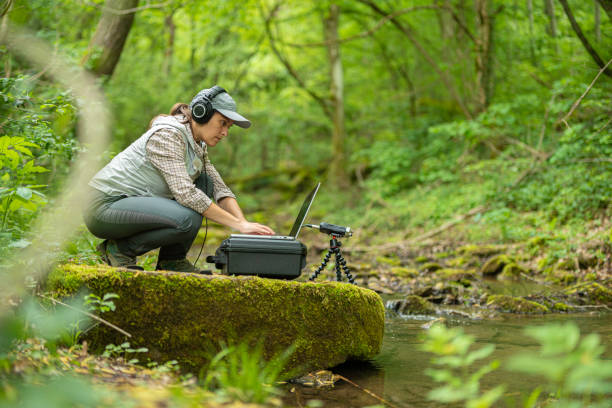
Biodiversity Specialists are experts in ecology and environmental science, responsible for assessing biodiversity levels, monitoring species and habitats, and implementing conservation programs to prevent the loss of biological diversity. Their role involves conducting field studies, developing biodiversity inventories, and advocating for protective measures, often working in diverse settings such as forests, wetlands, urban areas, or research offices. They combine expertise in biology, genetics, and ecosystem management to address issues like invasive species, deforestation, and pollution. As key contributors to environmental sustainability, they help maintain the health of ecosystems in an era prioritizing biodiversity conservation, climate resilience, and global ecological stability.
| Route | Steps |
| Route 1 | 1. 10+2 with Physics, Chemistry, Biology (PCB). 2. Bachelor’s degree in Environmental Science, Zoology, or Botany (3-4 years). 3. Gain practical experience through internships or field training in biodiversity conservation organizations (3-6 months). 4. Pursue entry-level roles like Biodiversity Field Assistant or Research Technician (1-2 years). |
| Route 2 | 1. 10+2 with PCB. 2. Bachelor’s degree in Biology, Ecology, or Wildlife Science (3-4 years). 3. Master’s degree in Biodiversity Conservation, Environmental Science, or Ecology (2 years, optional). 4. Work in biodiversity monitoring or habitat assessment roles to gain experience (1-2 years). 5. Transition to Biodiversity Specialist roles with enhanced skills and knowledge. |
| Route 3 | 1. 10+2 with PCB. 2. Bachelor’s degree in Environmental Science, Zoology, or related field (3-4 years). 3. Pursue professional certifications like Certified Biodiversity Professional or Conservation Biologist (1-2 years). 4. Gain hands-on experience through roles in biodiversity surveys or protected area management (1-2 years). 5. Establish a career as a Biodiversity Specialist in government agencies or NGOs. |
| Route 4 | 1. 10+2 with PCB. 2. Bachelor’s degree from India in Environmental Science, Ecology, or related field (3-4 years). 3. Pursue international biodiversity conservation certifications or advanced degrees abroad (1-2 years). 4. Gain exposure through roles in global biodiversity projects or international organizations (1-2 years). 5. Work as a Biodiversity Specialist in international markets or global NGOs. |
| Institute | Course/Program | Official Link |
| Wildlife Institute of India (WII), Dehradun | M.Sc. in Wildlife Science (Biodiversity Focus) | https://www.wii.gov.in/ |
| Jawaharlal Nehru University (JNU), New Delhi | M.Sc. in Environmental Sciences | https://www.jnu.ac.in/ |
| TERI School of Advanced Studies, New Delhi | M.Sc. in Environmental Studies and Resource Management | https://www.terisas.ac.in/ |
| University of Delhi, Delhi | M.Sc. in Environmental Studies | https://www.du.ac.in/ |
| Banaras Hindu University (BHU), Varanasi | M.Sc. in Environmental Science | https://www.bhu.ac.in/ |
| Aligarh Muslim University (AMU), Aligarh | M.Sc. in Biodiversity Studies and Management | https://www.amu.ac.in/ |
| Indian Institute of Science (IISc), Bangalore | M.Sc. in Ecological Sciences | https://www.iisc.ac.in/ |
| Savitribai Phule Pune University, Pune | M.Sc. in Environmental Science | https://www.unipune.ac.in/ |
| Amity University, Noida | B.Sc./M.Sc. in Environmental Science | https://www.amity.edu/ |
| Forest Research Institute (FRI), Dehradun | M.Sc. in Environment Management | https://fri.icfre.gov.in/ |
| Institution | Course | Country | Official Link |
| Stanford University | Environmental Science (Biodiversity Focus) | USA | https://www.stanford.edu/ |
| University of California, Berkeley | Ecology and Biodiversity | USA | https://www.berkeley.edu/ |
| Wageningen University & Research | Biodiversity and Conservation | Netherlands | https://www.wur.nl/ |
| University of Oxford | Biodiversity, Conservation and Management | UK | https://www.ox.ac.uk/ |
| Massachusetts Institute of Technology (MIT) | Environmental Studies | USA | https://www.mit.edu/ |
| University of Melbourne | Environmental Science Programs | Australia | https://www.unimelb.edu.au/ |
| University of British Columbia | Biodiversity and Conservation | Canada | https://www.ubc.ca/ |
| ETH Zurich | Environmental Sciences | Switzerland | https://www.ethz.ch/ |
| University of Copenhagen | Biodiversity and Ecology | Denmark | https://www.ku.dk/ |
| National University of Singapore (NUS) | Environmental Studies | Singapore | https://www.nus.edu.sg/ |
India:
International:
Biodiversity Field Assistant → Biodiversity Conservation Officer → Biodiversity Project Manager → Biodiversity Program Director → Senior Biodiversity Scientist → Biodiversity Policy Advisor → Academician/Researcher
| India | International |
| National Biodiversity Authority (NBA), Chennai | World Wildlife Fund (WWF), Global |
| Ministry of Environment, Forest and Climate Change (MoEFCC) | International Union for Conservation of Nature (IUCN), Global |
| Wildlife Institute of India (WII), Dehradun | Conservation International, USA |
| Bombay Natural History Society (BNHS) | Biodiversity International, Global |
| WWF-India | The Nature Conservancy, USA |
| Wildlife Trust of India (WTI) | BirdLife International, UK |
| Centre for Science and Environment (CSE), New Delhi | Global Biodiversity Information Facility (GBIF), Denmark |
| State Biodiversity Boards (e.g., Kerala, Tamil Nadu) | Rainforest Foundation, Global |
| Indian Institute of Science (IISc), Bangalore | World Resources Institute (WRI), Global |
| Dakshin Foundation, India | Convention on Biological Diversity (CBD), Global |
| Pros | Cons |
| Direct impact on preserving biodiversity and protecting ecosystems | Physically demanding fieldwork in remote and sometimes challenging environments |
| Growing demand due to increasing biodiversity loss and habitat destruction | Limited funding and resources for biodiversity conservation projects in many regions |
| Opportunity to contribute to ecological balance and climate change mitigation | Emotional stress from dealing with species extinction or habitat loss |
| Varied career paths in fieldwork, research, policy, and education | Resistance from industries or communities to biodiversity protection measures |
| Potential for societal change through biodiversity conservation and awareness | Need for constant updates on evolving biodiversity threats and conservation techniques |
| Career Level | India (₹ per annum) | International (USD per annum) |
| Biodiversity Field Assistant (Early Career) | 3,00,000 - 5,00,000 | 45,000 - 60,000 |
| Biodiversity Conservation Officer (Mid-Career) | 5,00,000 - 8,00,000 | 60,000 - 75,000 |
| Biodiversity Project Manager | 8,00,000 - 12,00,000 | 75,000 - 90,000 |
| Biodiversity Program Director/Senior Biodiversity Scientist | 12,00,000 - 18,00,000 | 90,000 - 110,000 |
| Biodiversity Policy Advisor/Academician/Researcher | 18,00,000 - 25,00,000 | 110,000 - 130,000+ |
Note: Salaries may vary based on location, employer, experience, and specialization. Indian figures are updated estimates based on current industry trends, government pay scales, and private sector data as of 2025, reflecting inflation and demand growth in environmental sectors. International figures are based on data from the U.S., Canada, and Europe as of 2025, adjusted for market trends in biodiversity and conservation roles, sourced from industry reports and salary surveys like Glassdoor and PayScale. Due to the speculative nature of future data, these are approximations and may differ based on real-time economic factors.
A career as a Biodiversity Specialist offers a unique opportunity to contribute to environmental protection and global sustainability by safeguarding the variety of life across diverse ecosystems. From monitoring species diversity to shaping protective biodiversity policies, Biodiversity Specialists play a pivotal role in modern environmental stewardship and ecological balance. This field combines scientific research, fieldwork dedication, and a commitment to ecological and societal well-being, offering diverse paths in research, policy, and on-ground conservation. For those passionate about protecting nature’s diversity, adapting to global ecological challenges, and addressing critical conservation needs in an era of increasing environmental urgency, a career as a Biodiversity Specialist provides an intellectually stimulating and professionally rewarding journey with the potential to make significant contributions to society by enhancing ecosystem health and biodiversity sustainability worldwide.
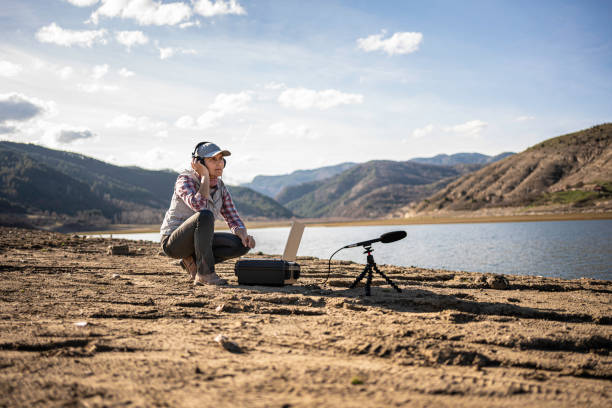
Entry-level professionals assist in field surveys, species data collection, and habitat monitoring under supervision in organizations like the...
0.0LPA

Mid-level specialists oversee conservation activities, including species protection and habitat management, in entities like the Wildlife...
0.0LPA
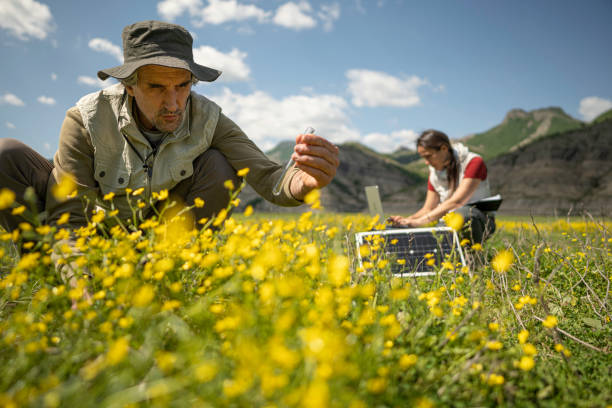
Professionals manage specific biodiversity projects, such as species recovery or ecosystem restoration, for organizations like the Bombay Natural...
0.0LPA
Take the next step and explore more about Biodiversity Specialist.
Explore similar career paths that might interest you