Overview
A Beverage Production Worker is a skilled professional responsible for operating equipment, monitoring processes, and ensuring quality in the production of beverages such as soft drinks, juices, alcoholic drinks, or bottled water. They work in manufacturing plants, breweries, or bottling facilities, focusing on efficiency, safety, and compliance with food standards. This comprehensive guide provides the latest information (based on trends and data up to 2026) on job roles, education, salary, and prospects within India for this vocational career, with a focus on both government and private sectors.
Roles and Responsibilities
a) Technical and Operational Responsibilities:
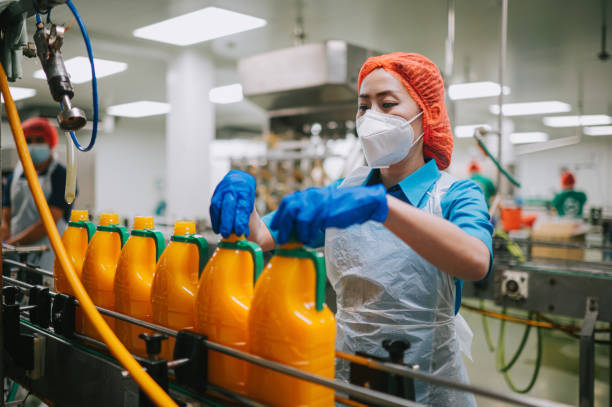
- Operate machinery and equipment used in beverage production, such as mixers, pasteurizers, bottling lines, and labeling machines, to process, package, and prepare beverages for distribution.
- Monitor production processes, including ingredient mixing, fermentation (for alcoholic beverages), filtration, and carbonation, to ensure consistency and adherence to recipes or standards.
- Diagnose and troubleshoot equipment malfunctions or production issues, such as blockages in bottling lines or quality deviations, and perform minor repairs or report to maintenance teams.
- Conduct quality checks on raw materials, in-process batches, and finished products to ensure taste, appearance, and safety meet regulatory and company specifications.
- Work on specialized beverage lines, such as craft beer brewing, organic juices, or energy drinks, with additional training in niche production techniques or equipment.
b) Administrative and Safety Responsibilities:
- Interpret production schedules, recipes, and quality control guidelines to ensure operations align with organizational goals and timelines.
- Communicate with supervisors, quality assurance teams, or logistics staff to report progress, address production challenges, or coordinate material supplies.
- Maintain records of production output, ingredient usage, and equipment maintenance logs for compliance with company policies and food safety audits.
- Ensure adherence to safety and hygiene standards, such as following Food Safety and Standards Authority of India (FSSAI) guidelines, using personal protective equipment (PPE), and maintaining clean workspaces to prevent contamination.
- Collaborate with packaging teams, warehouse staff, or quality control personnel to integrate beverage production into broader supply chain or distribution workflows.
Study Route & Eligibility Criteria
Beverage Production Worker Study Route & Eligibility Criteria
Study route information is not available for this career.
Beverage Production Worker
Professional
Educational Requirements and Study Routes
Eligibility Criteria
| Level | Eligibility |
| Entry-Level (Certificate) | Minimum 8th or 10th standard pass; interest in food processing or manufacturing is beneficial. |
| Diploma (Optional) | 10th or 12th standard pass, preferably with interest in science or technical subjects for advanced training. |
| Advanced Roles (Further Training) | Certificate or diploma in Food and Beverage Production or Food Technology; relevant work experience preferred. |
Study Routes
| Route | Focus Area | Duration | Outcome |
| Certificate Programs | Basic Beverage Production | 1-3 months | Entry-level roles in small bottling plants or beverage units as production workers. |
| Diploma Programs | Food and Beverage Technology | 6 months-1 year | Positions in larger beverage manufacturing companies or breweries. |
| ITI (Industrial Training Institute) Courses | Food Processing or Beverage Production | 6 months-1 year | Practical skills for immediate employment in food and beverage sectors. |
| Short-Term Training (Optional) | Specialized Beverage Processing (e.g., Brewing, Carbonation) | 1-2 months | Specialized skills for emerging fields like craft beverages or organic drinks. |