Overview
A Bartender is a skilled professional responsible for preparing, mixing, and serving alcoholic and non-alcoholic beverages to customers in bars, restaurants, hotels, or event venues. They focus on customer service, creativity in drink preparation, and maintaining a welcoming atmosphere while adhering to safety and legal standards. This comprehensive guide provides the latest information (based on trends and data up to 2026) on job roles, education, salary, and prospects within India for this vocational career, with a focus on both government and private sectors.
Roles and Responsibilities
a) Technical and Operational Responsibilities:
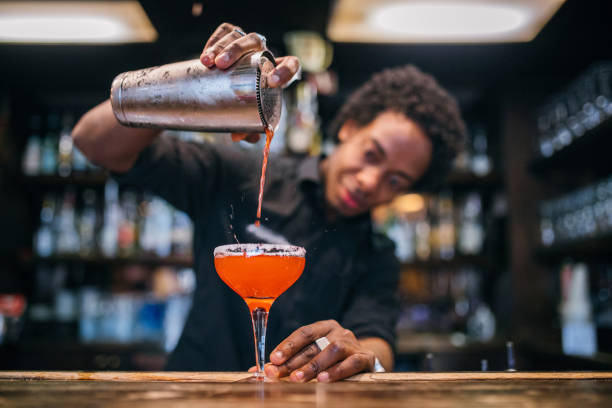
- Prepare and serve a variety of beverages, including cocktails, mocktails, wines, beers, and soft drinks, using bar tools like shakers, jiggers, and blenders to ensure consistency and presentation.
- Mix drinks according to recipes or customer preferences, employing techniques like shaking, stirring, or layering to create visually appealing and flavorful beverages.
- Diagnose and troubleshoot customer requests or inventory issues, such as adapting recipes for dietary needs or managing stock shortages, and implement solutions to maintain service flow.
- Maintain cleanliness and organization of the bar area, including washing glassware, restocking supplies, and ensuring proper storage of ingredients to meet hygiene standards.
- Work on specialized bartending skills, such as flair bartending, crafting signature cocktails, or preparing artisanal drinks with additional training in mixology or beverage trends.
b) Administrative and Safety Responsibilities:
- Interpret customer orders, bar menus, and event requirements to plan and execute beverage service efficiently.
- Communicate with customers, waitstaff, and management to take orders, suggest drinks, and address feedback or complaints promptly.
- Maintain records of sales, inventory, and cash transactions for compliance with bar policies and financial audits.
- Ensure adherence to safety and legal standards, such as following Food Safety and Standards Authority of India (FSSAI) guidelines for food handling, checking customer age for alcohol service, and using personal protective equipment (PPE) to prevent health risks or accidents.
- Collaborate with kitchen staff, event planners, or other hospitality teams to integrate beverage service into broader dining or event experiences.
Study Route & Eligibility Criteria
Bartender Study Route & Eligibility Criteria
Study route information is not available for this career.
Bartender
Professional
Educational Requirements and Study Routes
Eligibility Criteria
| Level | Eligibility |
| Entry-Level (Certificate) | Minimum 10th or 12th standard pass; interest in hospitality or customer service is beneficial. |
| Diploma (Optional) | 12th standard pass, preferably with interest in hospitality or food and beverage service for advanced training. |
| Advanced Roles (Further Training) | Certificate or diploma in Bartending or Food and Beverage Service; relevant work experience preferred. |
Study Routes
| Route | Focus Area | Duration | Outcome |
| Certificate Programs | Basic Bartending and Mixology | 1-3 months | Entry-level roles in small bars, restaurants, or cafes as bartenders. |
| Diploma Programs | Food and Beverage Service | 6 months-1 year | Positions in larger hotels, upscale bars, or luxury establishments. |
| ITI (Industrial Training Institute) Courses | Food and Beverage Service | 6 months-1 year | Practical skills for immediate employment in hospitality sectors. |
| Short-Term Training (Optional) | Advanced Mixology (e.g., Flair Bartending, Craft Cocktails) | 1-2 months | Specialized skills for emerging fields like artisanal or themed bartending. |