Apparel Production Manager

Apparel Production Management is a pivotal field that combines operational expertise, technical knowledge, and leadership to oversee the manufacturing of clothing and accessories, ensuring efficiency, quality, and timely delivery. In India, apparel production is a cornerstone of the thriving textile and fashion industry, supported by the countryโ€™s vast manufacturing hubs, rich craftsmanship heritage, and growing global export demand. With advancements in automation, supply chain logistics, and sustainable production practices, this career plays a crucial role in modernizing garment creation and distribution. Apparel Production Managers are instrumental in merging technical precision with managerial skills, optimizing workflows, and addressing market needs. This profession contributes to industry progress through trends like lean manufacturing, eco-friendly production, and digital process tracking.
Share :
โœจ Radial Mind Map - Apparel Production Manager
Nodes arranged in concentric circles

Loading radial mind map...

Overview

Apparel Production Management is a pivotal field that combines operational expertise, technical knowledge, and leadership to oversee the manufacturing of clothing and accessories, ensuring efficiency, quality, and timely delivery. In India, apparel production is a cornerstone of the thriving textile and fashion industry, supported by the countryโ€™s vast manufacturing hubs, rich craftsmanship heritage, and growing global export demand. With advancements in automation, supply chain logistics, and sustainable production practices, this career plays a crucial role in modernizing garment creation and distribution. Apparel Production Managers are instrumental in merging technical precision with managerial skills, optimizing workflows, and addressing market needs. This profession contributes to industry progress through trends like lean manufacturing, eco-friendly production, and digital process tracking.

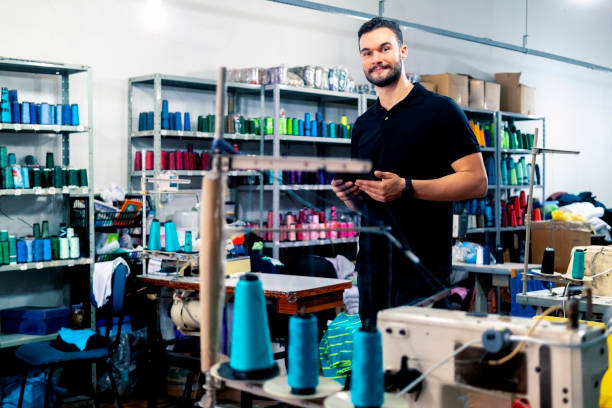
Apparel Production Managers operate in varied environments such as garment factories, export houses, fashion brands, retail supply chains, or as independent consultants, frequently working alongside designers, suppliers, and quality control teams. Their responsibilities encompass planning production schedules, managing resources, supervising manufacturing processes, and ensuring adherence to quality and delivery standards. They tackle challenges like production bottlenecks, fluctuating raw material costs, and stringent timelines in Indiaโ€™s highly competitive apparel sector. By applying proficiency in manufacturing techniques, supply chain coordination, and workforce management, they deliver high-quality garments that meet both aesthetic and functional demands. As vital contributors to Indiaโ€™s apparel and textile industry, they propel advancements through trends like automated production lines, sustainable material sourcing, and just-in-time manufacturing.

Roles and Responsibilities

๐Ÿ’ผ
Apparel Production Manager
Roles and Responsibilities
Production Planning and Coordination
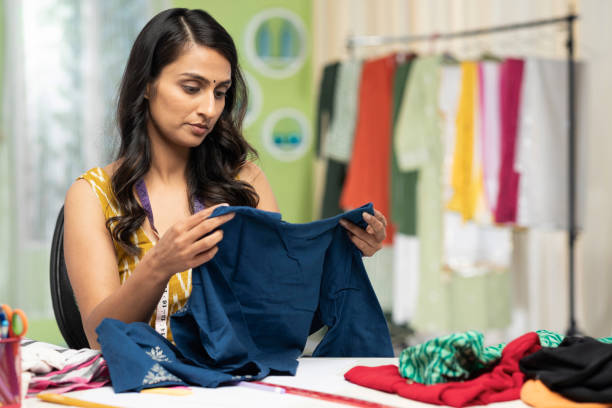
Formulate detailed production schedules to meet client orders and market demands within specified timelines.
Align production plans with design specifications, inventory availability, and sales forecasts.
Resource Procurement and Inventory Control
Source raw materials such as fabrics, threads, and trims, ensuring quality and cost-effectiveness.
Manage inventory levels to prevent shortages or excess stock, optimizing resource utilization.
Manufacturing Process Oversight
Supervise all stages of garment production, including cutting, stitching, finishing, and packaging, to ensure operational efficiency.
Implement process enhancements to minimize waste, reduce costs, and improve production speed.
Quality Assurance and Standards Compliance
Conduct regular inspections to ensure garments meet quality benchmarks for fit, durability, and design accuracy.
Ensure compliance with client requirements, industry standards, and export norms like AQL (Acceptable Quality Level).
Workforce Management and Skill Development
Lead factory teams, including machine operators, tailors, and supervisors, to achieve production targets.
Organize training sessions on new machinery, techniques, and safety protocols to enhance team capabilities.
Supply Chain and Vendor Collaboration
Coordinate with fabric suppliers, accessory vendors, and logistics providers to ensure seamless material flow.
Negotiate contracts and terms with suppliers to secure reliable and cost-efficient supplies.
Budget Oversight and Cost Reduction
Monitor production expenses, including labor, materials, and overheads, to adhere to budgetary limits.
Identify and implement cost-saving measures without compromising on product quality.
Problem Solving and Operational Agility
Resolve production issues such as equipment failures, labor shortages, or supply delays to maintain workflow continuity.
Adapt to urgent client demands or order modifications by reallocating resources and adjusting schedules.

Roles and Responsibilities

  • Production Planning and Coordination
    • Formulate detailed production schedules to meet client orders and market demands within specified timelines.
    • Align production plans with design specifications, inventory availability, and sales forecasts.
  • Resource Procurement and Inventory Control
    • Source raw materials such as fabrics, threads, and trims, ensuring quality and cost-effectiveness.
    • Manage inventory levels to prevent shortages or excess stock, optimizing resource utilization.
  • Manufacturing Process Oversight
    • Supervise all stages of garment production, including cutting, stitching, finishing, and packaging, to ensure operational efficiency.
    • Implement process enhancements to minimize waste, reduce costs, and improve production speed.
  • Quality Assurance and Standards Compliance
    • Conduct regular inspections to ensure garments meet quality benchmarks for fit, durability, and design accuracy.
    • Ensure compliance with client requirements, industry standards, and export norms like AQL (Acceptable Quality Level).
  • Workforce Management and Skill Development
    • Lead factory teams, including machine operators, tailors, and supervisors, to achieve production targets.
    • Organize training sessions on new machinery, techniques, and safety protocols to enhance team capabilities.
  • Supply Chain and Vendor Collaboration
    • Coordinate with fabric suppliers, accessory vendors, and logistics providers to ensure seamless material flow.
    • Negotiate contracts and terms with suppliers to secure reliable and cost-efficient supplies.
  • Budget Oversight and Cost Reduction
    • Monitor production expenses, including labor, materials, and overheads, to adhere to budgetary limits.
    • Identify and implement cost-saving measures without compromising on product quality.
  • Problem Solving and Operational Agility
    • Resolve production issues such as equipment failures, labor shortages, or supply delays to maintain workflow continuity.
    • Adapt to urgent client demands or order modifications by reallocating resources and adjusting schedules.

ย 

Study Route & Eligibility Criteria

Study Route & Eligibility Criteria
Apparel Production Manager
Bachelorโ€™s in Fashion Technology - Direct Entry
๐ŸŽ“
1
Complete 10+2 in any stream with minimum 50% marks.
๐Ÿ›๏ธ
2
Pursue B.Tech/B.FTech/B.Des in Fashion Technology or Apparel Production .
3-4 years
๐Ÿ’ผ
3
Join apparel firms or manufacturing units after gaining initial experience.
๐Ÿ’ผ
4
Progress to Apparel Production Manager through technical and leadership roles.
Diploma to Degree Pathway
๐ŸŽ“
1
Complete 10+2 and enroll in a 1-3 year Diploma in Apparel Production or Textile Technology.
๐Ÿ›๏ธ
2
Gain lateral entry into degree programs or start working in production roles.
๐Ÿ“š
3
Build skills through hands-on projects or certifications.
๐Ÿ’ผ
4
Join firms or pursue advanced studies for career advancement.
Masterโ€™s Specialization (M.Tech/MBA)
๐Ÿ›๏ธ
1
Complete Bachelorโ€™s in Fashion Technology, Textile Engineering, or related field.
๐ŸŽ“
2
Pursue M.Tech in Apparel Production or MBA in Fashion Management via entrance exams like GATE/CAT.
๐ŸŽ“
3
Gain advanced skills through postgraduate projects or industry exposure.
๐Ÿ’ผ
4
Join senior roles in apparel production or start own ventures.
International Education Path
๐ŸŽ“
1
Complete 10+2 and clear relevant entrance exams or language tests .
๐Ÿ›๏ธ
2
Pursue fashion technology or apparel production degree from international universities .
๐Ÿ’ผ
3
Gain global exposure through international internships or projects.
๐Ÿ’ผ
4
Return to India or work internationally with apparel brands.
Short-Term Courses and Practical Entry
๐ŸŽ“
1
Complete 10+2 or basic education in any stream.
๐Ÿ“š
2
Enroll in short-term certificate courses in Apparel Production or Garment Manufacturing.
3-6 months
๐Ÿ’ผ
3
Work as assistants in production units for hands-on learning.
๐Ÿ’ผ
4
Build experience and network to establish roles in firms or freelance work.
๐ŸŽฏ Apparel Production Manager - Professional

Significant Observations (Academic Related Points)

๐Ÿ’ก
Apparel Production Manager
Academic Related Points
1
Eligibility Criteria
10+2 in any stream (Science preferred for technical courses) is generally required for B.Tech/B.FTech programs; relevant bachelorโ€™s degree for M.Tech/MBA programs with an interest in production and operations.
2
Competitive Examinations
Entrance exams like NIFT, JEE Main, or institute-specific tests are required for premier institutes in India; international programs may require IELTS, TOEFL, or SAT.
3
Practical Skills
Hands-on training in garment manufacturing, quality control, and supply chain logistics is critical for success.
4
Physical Standards
Not typically mandatory, though roles may require long hours in factory settings and physical stamina for fieldwork.
5
Technical Knowledge
Proficiency in production software, machinery operation, and manufacturing processes is essential.
6
Continuous Training
Workshops on lean manufacturing, sustainable production, and automation are crucial for staying relevant.
7
Field Readiness
Exposure to real-world apparel production challenges and factory operations builds practical competence.
8
Strategic Awareness
Understanding global apparel markets and supply chain dynamics aids in operational efficiency.
9
Technical and Managerial Balance
Combining production expertise with leadership skills is key to success.
10
Ethical Commitment
Adherence to labor welfare and sustainable practices builds professional credibility.
11
Teamwork Ability
Collaboration with designers, suppliers, and factory staff is crucial for production execution.

Courses & Specializations to Enter the Field

๐Ÿ“š
Apparel Production Manager
Courses & Specializations
๐Ÿ“–
Bachelor of Technology (B.Tech) in Fashion Technology for technical training in apparel production.
๐Ÿ“–
Bachelor of Fashion Technology (B.FTech) in Apparel Production for specialized manufacturing skills.
๐Ÿ“–
Master of Technology (M.Tech) in Apparel Production for advanced operational and technical expertise.
๐Ÿ“–
Master of Business Administration (MBA) in Fashion Management for production and supply chain strategy.
๐Ÿ“–
Diploma in Apparel Manufacturing Technology for entry-level practical roles.
๐Ÿ“–
Specialization in Lean Manufacturing, Sustainable Apparel Production, or Supply Chain Management.
๐Ÿ“–
Short-term courses on Garment Production Techniques, Quality Control Systems, and ERP for Apparel.
๐Ÿ“–
Certifications in Production Planning, Industrial Safety, and Textile Technology for professional credibility.

Prominent Employers

๐Ÿข
Apparel Production Manager
๐ŸŒŸ Top Companies & Organizations
๐Ÿ‡ฎ๐Ÿ‡ณ India
๐ŸŒ International

Advice for Aspiring Apparel Production Managers

๐Ÿ’ก
Apparel Production Manager
๐ŸŒŸ Tips for Students & Parents
1
Build a strong foundation in apparel manufacturing, supply chain logistics, and operational management for academic and professional success.
2
Pursue early exposure through factory visits or hands-on projects to gain practical experience in production workflows.
3
Create a comprehensive portfolio showcasing production planning, quality control, or process improvement initiatives.
4
Stay updated on apparel production trends like automation and sustainability through industry seminars and reports.
5
Develop proficiency in production software, quality systems, and supply chain tools for a competitive advantage.
6
Join reputed institutes like NIFT or international universities for quality education and industry connections.
7
Work on resilience to handle high-pressure factory environments and tight production schedules.
8
Explore entry-level or contract roles in smaller units to build experience if corporate positions are delayed.
9
Network with production professionals and suppliers at trade expos to stay informed and inspired.
10
Cultivate adaptability to manage diverse production challenges, evolving technologies, and market demands.
11
Focus on societal impact by implementing sustainable and ethical practices in apparel manufacturing.
๐ŸŽ“ Final Message
A career in Apparel Production Management offers a unique opportunity to shape the future of fashion by mastering operational excellence and innovation, fostering progress through efficient manufacturing solutions, and empowering industries with every garment produced. Apparel Production Managers are the backbone of Indiaโ€™s textile and retail landscape, using their expertise and dedication to ensure seamless production across diverse contexts. This profession blends technical precision with leadership prowess, providing pathways in garment manufacturing, quality assurance, supply chain optimization, and sustainable production practices. For those passionate about transforming apparel through operational mastery, driven by a desire to innovate through efficiency, and eager to embrace the evolving landscape of production challenges, a career as an Apparel Production Manager is a deeply rewarding journey. It empowers individuals to address functional and commercial needs, enhance manufacturing outcomes, and advance societal progress through the transformative power of well-crafted apparel.
Knowledge & Skills You Will Learn
1
Worker Welfare Initiatives: Enhanced focus on fair wages, safe working conditions, and skill development for factory staff.
Production Assistant (Entry Level)

Production Assistant (Entry Level)

Entry-level individuals who assist in basic production tasks like scheduling, material tracking, and quality checks in garment units. They support...

0.0LPA

Production Supervisor (Early-Mid Level)

Production Supervisor (Early-Mid Level)

Early-to-mid-level supervisors who manage specific production lines or shifts for companies like Shahi Exports, ensuring output targets are met....

0.0LPA
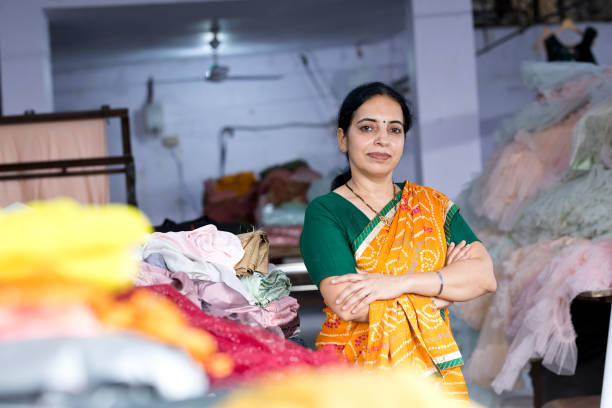
Apparel Production Manager (Mid-Level)

Apparel Production Manager (Mid-Level)

Mid-level managers who oversee entire production processes, from planning to delivery, for firms like Gokaldas Exports, managing teams and quality...

0.0LPA

Interested in this career?

Take the next step and explore more about Apparel Production Manager.