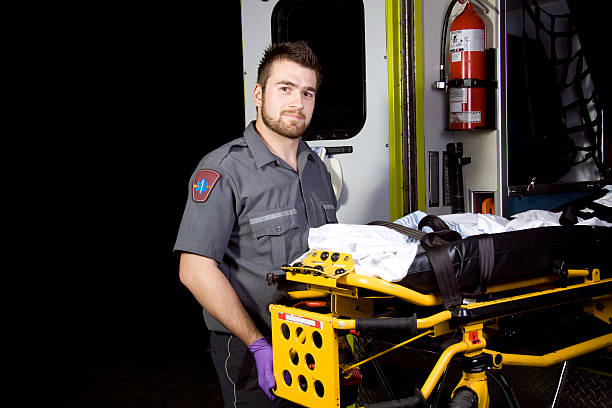
Anesthesiologist

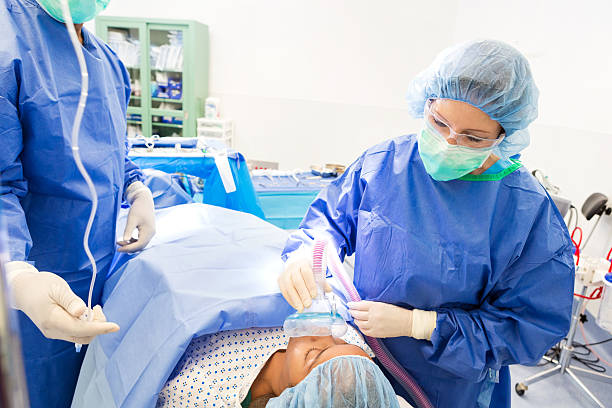
An Anaesthesiologist is a highly specialized medical professional who administers Anaesthesia to patients undergoing surgical, diagnostic, or therapeutic procedures, ensuring pain management, safety, and comfort throughout the process. They operate within hospitals, surgical centers, and specialized clinics, collaborating with surgeons, nurses, and other healthcare providers to deliver critical care during medical interventions. Anaesthesiologist s play a crucial role in patient safety and surgical outcomes in an era where advanced medical technologies, minimally invasive procedures, and personalized care are central to healthcare delivery.
Share :
Career tree mind map (horizontal) — Anesthesiologist
Colored branches, hub circles, and underlined topics — same style as counselor course classic (types 18–19 in admin).
Loading mind map…

Anaesthesiologist s are meticulous and highly trained physicians tasked with evaluating patients, determining appropriate Anaesthesia plans, and monitoring vital signs during procedures to prevent complications and ensure optimal recovery. Their role includes administering Anaesthesia, managing pain, and addressing challenges ranging from patient-specific health conditions to emergency responses. They combine skills in pharmacology, physiology, and critical care, working in high-pressure environments like operating rooms, intensive care units, or pain management clinics to provide life-sustaining support. As key contributors to medical teams, Anaesthesiologist s drive patient safety and procedural success in a landscape increasingly focused on precision medicine, advanced monitoring systems, and holistic care.

  • Pre-Operative Assessment
    • Evaluate patients’ medical history, allergies, and physical condition to develop Anaesthesia plans.
    • Discuss risks, benefits, and options with patients to ensure informed consent.
  • Administration of Anaesthesia
    • Administer general, regional, or local Anaesthesia based on procedure and patient needs.
    • Use advanced equipment to deliver precise doses of anesthetic agents.
  • Intra-Operative Monitoring
    • Monitor patients’ vital signs, such as heart rate, blood pressure, and oxygen levels, during procedures.
    • Adjust Anaesthesia levels to maintain stability and respond to surgical demands.
  • Pain Management
    • Provide post-operative pain relief through medications or techniques like epidural analgesia.
    • Manage chronic pain conditions through specialized interventions in pain clinics.
  • Emergency Response
    • Handle critical situations like allergic reactions, cardiac arrest, or respiratory distress during Anaesthesia.
    • Perform life-saving measures such as intubation or resuscitation when necessary.
  • Critical Care Support
    • Oversee patient recovery in post-Anaesthesia care units (PACU) or intensive care units (ICU).
    • Manage ventilators and other life-support systems for critically ill patients.
  • Trend Monitoring and Adaptation
    • Stay updated on advancements in anesthetic drugs, monitoring technology, and safety protocols.
    • Adapt techniques to suit modern demands like outpatient surgeries or robotic procedures.
  • Collaboration with Medical Teams
    • Work with surgeons, nurses, and specialists to coordinate patient care during procedures.
    • Provide expertise on Anaesthesia-related considerations for surgical planning.

RouteSteps
Route 11. 10+2 in Science stream with Physics, Chemistry, and Biology (PCB)
 2. Bachelor of Medicine and Bachelor of Surgery (MBBS) (5.5 years including internship)
 3. Postgraduate degree (MD or DNB) in Anesthesiology (3 years)
 4. Start as a Junior Anaesthesiologist in hospitals or clinics
Route 21. 10+2 in Science stream with Physics, Chemistry, and Biology (PCB)
 2. MBBS (5.5 years including internship)
 3. Diploma in Anaesthesia (DA) (2 years)
 4. Work as an Anaesthesiologist after gaining hands-on experience
Route 31. 10+2 in Science stream with Physics, Chemistry, and Biology (PCB)
 2. MBBS (5.5 years including internship)
 3. MD/DNB in Anesthesiology (3 years)
 4. Super-specialization (DM or Fellowship) in areas like Critical Care or Pain Management (1-2 years)
Route 41. 10+2 in Science stream with Physics, Chemistry, and Biology (PCB)
 2. International medical degree equivalent to MBBS (4-6 years)
 3. Postgraduate training in Anesthesiology as per country requirements
 4. Serve as Anaesthesiologist in multinational hospitals or research centers

  • Mandatory clinical rotations during MBBS in hospitals for hands-on experience.
  • Residency training in anaesthesiology departments for practical exposure to procedures.
  • Internships under senior Anaesthesiologist s for exposure to real-world operating room workflows.
  • Observerships in critical care units or pain management clinics for specialized learning.
  • Participation in medical simulations or emergency response drills for skill development.
  • Training in collaborative projects through real-world surgical or ICU cases.
  • Exposure to industry-standard Anaesthesia equipment and monitoring systems during residency.
  • Project-based learning focusing on diverse patient care challenges.
  • Public health initiatives like assisting in community surgeries or disaster response.
  • International attachments or fellowships for exposure to global medical practices.

  • Bachelor of Medicine and Bachelor of Surgery (MBBS).
  • Doctor of Medicine (MD) in Anaesthesiology.
  • Diplomate of National Board (DNB) in Anaesthesiology.
  • Diploma in Anaesthesia (DA).
  • Super-specialization in Cardiac Anaesthesia.
  • Fellowship in Paediatric Anaesthesia.
  • Fellowship in Pain Management.
  • Training in Critical Care Medicine.
  • Specialization in NeuroAnaesthesia.
  • Short Courses in Advanced Airway Management.

InstituteCourse/ProgramOfficial Link
All India Institute of Medical Sciences (AIIMS), New DelhiMD in Anesthesiologyhttps://www.aiims.edu/
Postgraduate Institute of Medical Education and Research (PGIMER), ChandigarhMD in Anesthesiologyhttps://pgimer.edu.in/
Christian Medical College (CMC), VelloreMD & Diploma in Anaesthesiahttps://www.cmch-vellore.edu/
King George’s Medical University (KGMU), LucknowMD in Anesthesiologyhttps://www.kgmu.org/
Maulana Azad Medical College (MAMC), New DelhiMD in Anesthesiologyhttps://www.mamc.ac.in/
Seth GS Medical College & KEM Hospital, MumbaiMD in Anesthesiologyhttps://www.kem.edu/
Jawaharlal Institute of Postgraduate Medical Education & Research (JIPMER), PuducherryMD in Anesthesiologyhttps://www.jipmer.edu.in/
Bangalore Medical College and Research Institute (BMCRI), BangaloreMD in Anesthesiologyhttps://www.bmcri.org/
Kasturba Medical College (KMC), ManipalMD in Anesthesiologyhttps://manipal.edu/kmc-manipal.html
Madras Medical College (MMC), ChennaiMD & Diploma in Anaesthesiahttps://www.mmc.ac.in/

InstitutionCourseCountryOfficial Link
Harvard Medical School, BostonMD with Residency in AnesthesiologyUSAhttps://hms.harvard.edu/
Johns Hopkins University School of Medicine, BaltimoreMD with Anesthesiology ResidencyUSAhttps://www.hopkinsmedicine.org/
University of Oxford, Medical Sciences DivisionBM BCh with Specialty Training in AnaesthesiaUKhttps://www.medsci.ox.ac.uk/
University College London (UCL), Faculty of Medical SciencesMBBS with Anaesthesia TrainingUKhttps://www.ucl.ac.uk/medical-sciences/
Stanford University School of Medicine, StanfordMD with Anesthesiology ResidencyUSAhttps://med.stanford.edu/
University of Toronto, Faculty of MedicineMD with Postgraduate Training in AnesthesiologyCanadahttps://medicine.utoronto.ca/
University of Melbourne, Melbourne Medical SchoolDoctor of Medicine (MD) with Anaesthesia TrainingAustraliahttps://medicine.unimelb.edu.au/
Karolinska Institutet, StockholmMD with Specialization in AnesthesiologySwedenhttps://ki.se/en
National University of Singapore (NUS), Yong Loo Lin School of MedicineMBBS with Anaesthesia ResidencySingaporehttps://medicine.nus.edu.sg/
University of Cape Town, Faculty of Health SciencesMBChB with Anaesthesia SpecializationSouth Africahttps://health.uct.ac.za/

India:

  • NEET-UG (National Eligibility cum Entrance Test - Undergraduate): For admission to MBBS programs.
  • NEET-PG (National Eligibility cum Entrance Test - Postgraduate): For admission to MD/DNB in Anesthesiology.
  • AIIMS-PG Entrance Exam: For admission to postgraduate programs at AIIMS.
  • JIPMER PG Entrance Exam: For admission to postgraduate programs at JIPMER.
  • State-Level Medical Entrance Exams: For admission to state medical colleges.

International:

  • MCAT (Medical College Admission Test): Required for medical school admission in the USA and Canada.
  • USMLE (United States Medical Licensing Examination): Required for practicing in the USA (Steps 1, 2, and 3).
  • PLAB (Professional and Linguistic Assessments Board): Required for practicing in the UK.
  • TOEFL (Test of English as a Foreign Language): Minimum score of 80-100 required for non-native speakers applying to programs in English-speaking countries.
  • IELTS (International English Language Testing System): Minimum score of 6.5-7.5 required for admission to universities in the UK, Australia, and other English-speaking regions.
  • AMC (Australian Medical Council) Exams: Required for practicing in Australia.

Junior Anaesthesiologist → Anaesthesiologist → Senior Anaesthesiologist → Consultant Anaesthesiologist → Head of Anesthesiology Department → Pain Management Specialist → Critical Care Specialist → Medical Director → Research Scientist → Medical Educator

  • Hospitals for surgical and critical care Anaesthesia.
  • Surgical centers for outpatient and day-care procedures.
  • Pain management clinics for chronic pain treatment.
  • Intensive care units (ICUs) for critical patient support.
  • Academic institutions for teaching and research.
  • Trauma centers for emergency medical interventions.
  • Private practices for specialized Anaesthesia services.
  • Military hospitals for field and combat medical care.
  • Research organizations for clinical studies on Anaesthesia.
  • Non-profit healthcare organizations for community medical services.

IndiaInternational
Apollo HospitalsMayo Clinic, USA
Fortis HealthcareCleveland Clinic, USA
Max HealthcareJohns Hopkins Hospital, USA
AIIMS (All India Institute of Medical Sciences)Massachusetts General Hospital, USA
Medanta - The MedicityStanford Health Care, USA
Manipal HospitalsNHS (National Health Service), UK
Narayana HealthToronto General Hospital, Canada
CMC (Christian Medical College)Royal Melbourne Hospital, Australia
Lilavati Hospital, MumbaiKarolinska University Hospital, Sweden
Kokilaben Dhirubhai Ambani HospitalSingapore General Hospital, Singapore

ProsCons
Opportunity to work in life-saving and impactful medical environmentsHigh stress due to critical decision-making and patient safety concerns
High demand for Anaesthesiologist s in growing healthcare sectorsLong and irregular hours during surgeries or emergencies
Rewarding impact through ensuring patient comfort and surgical successRisk of burnout due to intense workload and emotional strain
Diverse career paths across surgery, pain management, and critical careHigh liability and legal risks related to patient outcomes
Strong potential for influence with advancements in Anaesthesia techniquesDependency on continuous learning to keep up with medical innovations

Career LevelIndia (₹ per annum)International (USD per annum)
Junior Anaesthesiologist (Early Career)8,00,000 - 15,00,00080,000 - 120,000
Anaesthesiologist (Mid-Career)15,00,000 - 25,00,000120,000 - 200,000
Senior Anaesthesiologist /Consultant25,00,000 - 40,00,000200,000 - 300,000
Head of Department/Pain Specialist40,00,000 - 60,00,000300,000 - 400,000
Medical Director/Research Scientist60,00,000+400,000+

Note: Salaries vary based on location, experience, employer, and specialization. International figures are approximate and depend on the country and healthcare system. Private practice earnings often depend on patient volume and reputation.

  • Electronic Medical Record (EMR) Systems like Epic for patient data management.
  • Anaesthesia Information Management Systems (AIMS) for real-time monitoring.
  • Clinical Decision Support Tools like UpToDate for evidence-based guidance.
  • Patient Monitoring Software for tracking vital signs during procedures.
  • Telemedicine Platforms like Teladoc for remote consultations.
  • Simulation Software for training on emergency scenarios.
  • Research Tools like PubMed for staying updated on medical literature.
  • Project Management Tools like Trello for coordinating surgical schedules.
  • Data Analytics Software for tracking patient outcomes and improving care.
  • Communication Platforms like Zoom for team coordination and patient follow-ups.

  • Indian Society of Anaesthesiologists (ISA), India.
  • American Society of Anaesthesiologist s (ASA), USA.
  • European Society of Anaesthesiology and Intensive Care (ESAIC), Europe.
  • World Federation of Societies of Anaesthesiologists (WFSA), Global.
  • Association of Anaesthetists of Great Britain and Ireland (AAGBI), UK.
  • Canadian Anaesthesiologist s’ Society (CAS), Canada.
  • Australian Society of Anaesthetists (ASA), Australia.
  • Society for Pediatric Anaesthesia (SPA), USA.
  • International Anaesthesia Research Society (IARS), Global.
  • Asian Society of Paediatric Anaesthesiologists (ASPA), Asia.

  • Dr.AtulGawande (Contemporary, USA): Anaesthesiologist and Surgeon since the 1990s. Known for Being Mortal and healthcare reform advocacy. His vision drives patient-centered care. His impact shapes global medical policy.
     
  • Dr.VikasKapoor (Contemporary, India): Anaesthesiologist since the 2000s. Known for advancements in pain management in India. His creativity fosters innovative care. His contributions impact regional healthcare.
     
  • Dr. Beverly K. Philip (Contemporary, USA): Anaesthesiologist since the 1980s. Known for leadership in the American Society of Anaesthesiologist s. Her leadership drives safety standards. Her legacy impacts Anaesthesia practice.
     
  • Dr.RakeshGarg (Contemporary, India): Anaesthesiologist since the 2000s. Known for research in airway management at AIIMS. His vision shapes critical care. His work influences Indian anesthesiology.
     
  • Dr. Emery N. Brown (Contemporary, USA): Anaesthesiologist since the 1990s. Known for neuroscience research on Anaesthesia mechanisms. His creativity drives brain studies. His impact shapes medical science.
     
  • Dr. Sunil Pandya (Historical, India): Anaesthesiologist since the 1960s. Known for pioneering techniques in neurosurgical Anaesthesia. His leadership fosters early standards. His legacy impacts Indian surgery.
     
  • Dr. Jeanette Derdemezi (Contemporary, UK): Anaesthesiologist since the 1990s. Known for contributions to pediatric Anaesthesia safety. Her vision drives child care. Her work influences global practices.
     
  • Dr. John B. Glen (Historical, UK): Anaesthesiologist since the 1970s. Known for developing propofol, a widely used anesthetic. His creativity drives drug innovation. His legacy impacts modern Anaesthesia.
     
  • Dr. Anil Patel (Contemporary, India): Anaesthesiologist since the 1990s. Known for expertise in critical care Anaesthesia. His leadership shapes emergency protocols. His contributions impact patient survival.
     
  • Dr. Patricia Kapur (Contemporary, USA): Anaesthesiologist since the 1980s. Known for leadership in academic anesthesiology at UCLA. Her vision fosters education. Her work influences future practitioners.
     

  • Build a strong foundation in science and clinical skills to handle complex medical challenges.
  • Seek early exposure to hospitals or surgical units through internships to confirm interest.
  • Prepare thoroughly for competitive exams like NEET or USMLE to secure top program admissions.
  • Pursue advanced training in subspecialties like pain management or critical care for expertise.
  • Stay updated on medical advancements by attending conferences and reading journals.
  • Develop hands-on skills in Anaesthesia administration through residency and simulations.
  • Engage in clinical research or case studies to build real-world experience.
  • Join professional associations like ASA or ISA for networking and resources.
  • Work on precision and emotional resilience to ensure high-quality patient outcomes.
  • Explore international medical programs for exposure to diverse healthcare standards.
  • Volunteer in community health initiatives or disaster response to understand patient needs and build experience.
  • Cultivate adaptability to handle complex clinical and emergency challenges.
  • Attend continuing medical education (CME) programs to stay abreast of evolving methodologies.
  • Build a network with surgeons, nurses, and medical professionals for collaborative efforts.
  • Develop resilience to manage the pressure and emotional toll of critical care roles.
  • Balance clinical duties with continuous learning to adapt to rapid advancements in medical technology.

A career as an Anaesthesiologist offers a unique opportunity to contribute to patient safety, surgical success, and pain relief by navigating complex medical landscapes for diverse procedures. From administering life-sustaining Anaesthesia to managing critical care and driving patient recovery, Anaesthesiologist s play a pivotal role in modern healthcare ecosystems. This field combines clinical expertise, critical thinking, and a commitment to solving intricate medical challenges, offering diverse paths in surgery, pain management, critical care, and beyond. For those passionate about medicine, adapting to dynamic healthcare trends, and addressing patient needs in an era of technological evolution, a career as an Anaesthesiologist provides an intellectually stimulating and professionally rewarding journey with the potential to make significant contributions to society by advancing the art and application of Anaesthesia worldwide.

Knowledge & Skills You Will Learn
1
Expertise in pharmacology and Anaesthesia administration with precision
2
Observational accuracy in assessing patient conditions and vital signs
3
In-depth knowledge of physiology, medical equipment, and safety protocols
4
Critical thinking to solve complex clinical or emergency challenges
5
Attention to detail to ensure accuracy in dosage and patient monitoring
6
Time management to handle multiple cases or emergencies with tight schedules
7
Adaptability to work across diverse surgical specialties and evolving medical trends
8
Interpersonal skills for effective collaboration with surgical and nursing teams
9
Problem-solving ability to address unexpected complications during procedures
10
Emotional resilience to manage high-pressure situations and patient outcomes
Junior Anaesthesiologist

Junior Anaesthesiologist

Early-career professionals assist in basic Anaesthesia tasks under supervision. They build skills in patient monitoring while ensuring accurate...

0.0LPA

Anaesthesiologist

Anaesthesiologist

Experienced professionals manage Anaesthesia for routine surgeries with high competence, using clinical skills. They offer expertise in pain...

0.0LPA
Senior Anaesthesiologist

Senior Anaesthesiologist

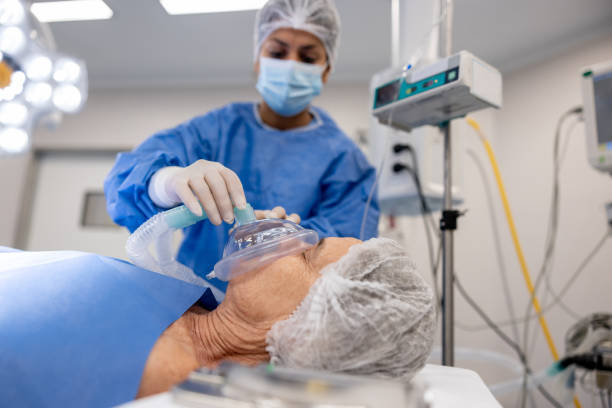
Specialists oversee complex surgeries with exceptional competence. They integrate deep medical knowledge with expertise in critical care for...

0.0LPA

Interested in this career?

Take the next step and explore more about Anesthesiologist.