Anaesthesia Technician

Summary

Anaesthesia Technician

Share :
✨ Radial Mind Map - Anaesthesia Technician
Nodes arranged in concentric circles

Loading radial mind map...

Overview

An Anaesthesia Technician, also known as an Anaesthesia Technologist or Anaesthesia Support Technician, is a vital healthcare professional who assists anaesthesiologists and other medical staff in the administration and monitoring of Anaesthesia during surgical and medical procedures. They work in hospitals, surgical centers, and emergency care units, collaborating with anaesthesiologists, surgeons, and nurses. Anaesthesia Technicians play a critical role in modern healthcare by ensuring the safe delivery of Anaesthesia, maintaining equipment, and supporting patient care in an era where surgical precision and patient safety are paramount.
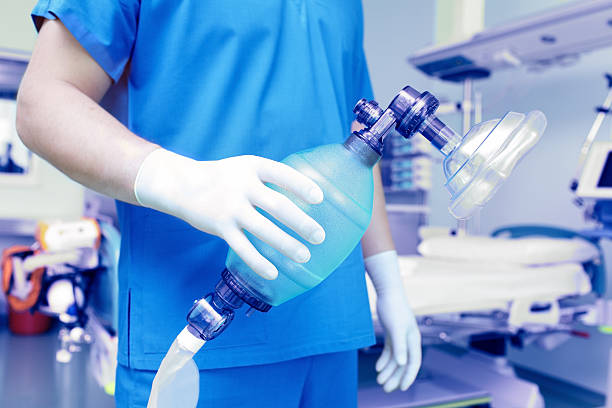
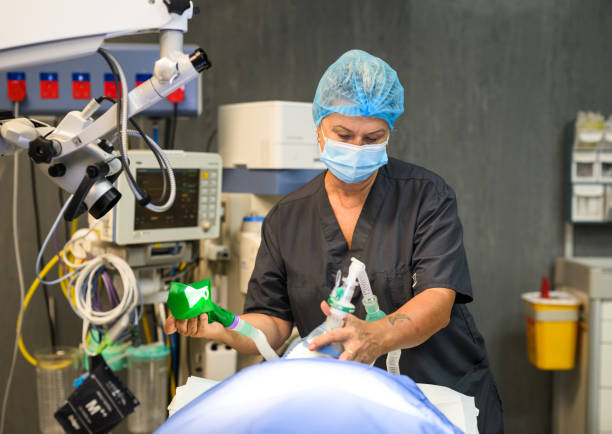
Anaesthesia Technicians are trained specialists responsible for preparing and maintaining anaesthesia equipment, assisting in the administration of Anaesthesia, and monitoring patients’ vital signs during procedures. Their role includes setting up ventilators, monitors, and drug delivery systems, as well as ensuring a sterile environment in the operating room. They combine technical expertise with quick decision-making, often working under high-pressure conditions to provide seamless support during surgeries. As key contributors to patient safety, they enable effective Anaesthesia management in a landscape increasingly focused on advanced surgical techniques and critical care.

Roles and Responsibilities

💼
Anaesthesia Technician
Roles and Responsibilities
Equipment Preparation and Maintenance
Set up Anaesthesia machines, ventilators, and monitoring devices before surgeries
Perform regular checks and maintenance to ensure equipment functionality and safety
Assisting in Anaesthesia Administration
Support anaesthesiologists in preparing and delivering Anaesthesia drugs and gases
Assist in intubation and airway management during procedures
Patient Monitoring
Observe and record patients’ vital signs such as heart rate, blood pressure, and oxygen levels during Anaesthesia
Alert medical staff to any abnormalities or emergencies during surgery
Sterilization and Infection Control
Ensure all Anaesthesia equipment and supplies are sterilized and ready for use
Maintain a clean and safe environment in the operating room to prevent infections
Inventory Management
Manage stock of Anaesthesia drugs, gases, and disposable supplies
Order and organize materials to ensure availability during procedures
Emergency Support
Provide immediate assistance during Anaesthesia-related emergencies or complications
Prepare emergency equipment like defibrillators or resuscitation kits as needed
Documentation and Reporting
Record details of equipment usage, patient responses, and procedure specifics
Report any equipment malfunctions or procedural issues to supervisors
Patient Care and Communication
Reassure patients before procedures by explaining equipment or processes when appropriate
Collaborate with the surgical team to ensure coordinated patient care
Scientific Foundation
: Strong knowledge of biology, physiology, and pharmacology is essential for understanding Anaesthesia effects.
Technical Skills
: Practical training in handling Anaesthesia equipment develops core competencies in patient safety.
Specialized Training
: Advanced certifications in critical care or Anaesthesia technology offer niche expertise.
Equipment Proficiency
: Mastery of Anaesthesia machines and monitors is vital for seamless operations.
Interdisciplinary Knowledge
: Understanding surgical procedures and emergency protocols improves support capabilities.
Certification Importance
: Registration with allied health councils may be required for practice.
Continuing Education
: Regular workshops are necessary to stay updated on Anaesthesia technologies and protocols.
Global Standards
: Compliance with international guidelines enhances opportunities for global roles.
Attention to Detail
: Precision in equipment setup and patient monitoring is critical for safety.
Entrance Examination Success
: Certain programs may require entrance tests or specific qualifications for admission.
International Testing Requirements
: For global practice, certifications like those from the American Society of Anaesthesia Technologists and Technicians (ASATT) may be needed.
Dr. Virginia Apgar (Historical, USA)
: Developed the Apgar Score in the 1950s for assessing newborns post-Anaesthesia. Her innovation remains a global standard in neonatal care. Her contributions influence Anaesthesia safety practices worldwide.
Dr. John Snow (Historical, UK)
: Pioneer in Anaesthesia delivery in the 19th century. His work on chloroform administration shaped modern techniques. His legacy impacts Anaesthesia support globally.
Dr. Emery Rovenstine (Historical, USA)
: Leader in Anaesthesia education in the 1930s-1940s. His training programs professionalized the field for technicians. His influence persists in clinical standards.
Dr. Robert Dripps (Historical, USA)
: Innovator in Anaesthesia safety protocols in the mid-20th century. His research improved patient monitoring practices. His work guides technician roles internationally.
Dr. Cedric Prys-Roberts (Historical, UK)
: Renowned for advancements in Anaesthesia monitoring during the 1960s-1970s. His work on cardiovascular responses to Anaesthesia improved safety protocols. His contributions impact technician training globally.
Dr. N. Ty Smith (Contemporary, USA)
: Innovator in Anaesthesia monitoring technology since the 1970s. His development of automated systems aids technicians in patient care. His influence shapes modern equipment use worldwide.
Dr. Ellison C. Pierce Jr. (Contemporary, USA)
: Advocate for Anaesthesia patient safety since the 1980s. His leadership in forming safety foundations benefits technician practices. His efforts enhance procedural standards internationally.
Dr. Jeffrey B. Cooper (Contemporary, USA)
: Expert in Anaesthesia safety and human factors since the 1970s. His research on error prevention guides technician protocols. His work improves operating room safety globally.
Dr. Anil Patel (Contemporary, UK)
: Specialist in airway management and Anaesthesia technology since the 1990s. His innovations support technicians in critical procedures. His contributions advance clinical practices worldwide.
Dr. P. K. Gupta (Contemporary, India)
: Leader in Anaesthesia education and training in India since the 1980s. His efforts in technician skill development strengthen healthcare systems. His impact supports regional Anaesthesia safety standards.

Roles and Responsibilities

  • Equipment Preparation and Maintenance
    • Set up Anaesthesia machines, ventilators, and monitoring devices before surgeries
    • Perform regular checks and maintenance to ensure equipment functionality and safety
  • Assisting in Anaesthesia Administration
    • Support anaesthesiologists in preparing and delivering Anaesthesia drugs and gases
    • Assist in intubation and airway management during procedures
  • Patient Monitoring
    • Observe and record patients’ vital signs such as heart rate, blood pressure, and oxygen levels during Anaesthesia
    • Alert medical staff to any abnormalities or emergencies during surgery
  • Sterilization and Infection Control
    • Ensure all Anaesthesia equipment and supplies are sterilized and ready for use
    • Maintain a clean and safe environment in the operating room to prevent infections
  • Inventory Management
    • Manage stock of Anaesthesia drugs, gases, and disposable supplies
    • Order and organize materials to ensure availability during procedures
  • Emergency Support
    • Provide immediate assistance during Anaesthesia-related emergencies or complications
    • Prepare emergency equipment like defibrillators or resuscitation kits as needed
  • Documentation and Reporting
    • Record details of equipment usage, patient responses, and procedure specifics
    • Report any equipment malfunctions or procedural issues to supervisors
  • Patient Care and Communication
    • Reassure patients before procedures by explaining equipment or processes when appropriate
    • Collaborate with the surgical team to ensure coordinated patient care


Study Route & Eligibility Criteria

RouteSteps
Route 11. 10+2 with Physics, Chemistry, Biology (PCB)
2. Diploma in Anaesthesia Technology (1-2 years)
3. Internship or clinical training (3-6 months)
4. Practice as Anaesthesia Technician
Route 21. 10+2 with PCB
2. Bachelor’s degree in Anaesthesia Technology or Allied Health Sciences (3-4 years)
3. Hands-on training or internship
4. Work as Anaesthesia Technician
Route 31. 10+2 with PCB
2. Certificate Course in Anaesthesia Technology (6 months-1 year)
3. On-the-job training in hospitals
4. Practice in entry-level technician roles
Route 41. 10+2 with PCB
2. Master’s degree or international training in Anaesthesia Technology or related fields (2-3 years)
3. Certification or licensure as per country regulations
4. Practice abroad or in India


Significant Observations (Academic Related Points)

  • Scientific Foundation: Strong knowledge of biology, physiology, and pharmacology is essential for understanding Anaesthesia effects.
  • Technical Skills: Practical training in handling Anaesthesia equipment develops core competencies in patient safety.
  • Specialized Training: Advanced certifications in critical care or Anaesthesia technology offer niche expertise.
  • Equipment Proficiency: Mastery of Anaesthesia machines and monitors is vital for seamless operations.
  • Interdisciplinary Knowledge: Understanding surgical procedures and emergency protocols improves support capabilities.
  • Certification Importance: Registration with allied health councils may be required for practice.
  • Continuing Education: Regular workshops are necessary to stay updated on Anaesthesia technologies and protocols.
  • Global Standards: Compliance with international guidelines enhances opportunities for global roles.
  • Attention to Detail: Precision in equipment setup and patient monitoring is critical for safety.
  • Entrance Examination Success: Certain programs may require entrance tests or specific qualifications for admission.
  • International Testing Requirements: For global practice, certifications like those from the American Society of Anaesthesia Technologists and Technicians (ASATT) may be needed.


Internships & Practical Exposure

  • Mandatory clinical training during diploma or degree programs in hospital operating rooms
  • Rotations in surgical departments for hands-on experience with Anaesthesia equipment
  • Internships under senior technicians or anaesthesiologists for exposure to real-time procedures
  • Observerships in critical care units for experience in emergency Anaesthesia support
  • Participation in surgical simulations for practical skill development
  • Training in patient monitoring through real-world case studies and mock drills
  • Exposure to sterilization protocols and inventory management during internships
  • Clinical projects on Anaesthesia safety or equipment troubleshooting during training
  • Public health initiatives for assisting in mobile surgical units or outreach programs
  • International hospital attachments for global exposure to Anaesthesia practices


Courses & Specializations to Enter the Field

  • Diploma in Anaesthesia Technology
  • Bachelor’s in Anaesthesia Technology or Allied Health Sciences
  • Certificate Course in Anaesthesia and Critical Care Technology
  • Training in Operating Room Techniques
  • Specialization in Critical Care Support
  • Certification in Anaesthesia Equipment Management
  • Workshops on Patient Safety and Emergency Protocols
  • Training in Airway Management Techniques
  • Specialization in Paediatric or Cardiac Anaesthesia Support
  • Certification in Basic Life Support (BLS) and Advanced Cardiac Life Support (ACLS)


Top Institutes for Anaesthesia Technician Education (India)

InstituteCourse/ProgramOfficial Link
All India Institute of Medical Sciences (AIIMS), New DelhiDiploma in Anaesthesia Technologyhttps://www.aiims.edu/
Christian Medical College (CMC), VelloreDiploma and B.Sc. in Anaesthesia Technologyhttps://www.cmch-vellore.edu/
Manipal Academy of Higher Education, ManipalB.Sc. in Anaesthesia and Operation Theatre Technologyhttps://www.manipal.edu/
Sri Ramachandra Institute of Higher Education and Research, ChennaiB.Sc. in Allied Health Sciences (Anaesthesia Technology)https://www.sriramachandra.edu.in/
Kasturba Medical College (KMC), MangaloreDiploma and Degree in Anaesthesia Technologyhttps://manipal.edu/kmc-mangalore.html
Amrita Institute of Medical Sciences, KochiB.Sc. in Anaesthesia Technologyhttps://www.amrita.edu/
Jawaharlal Institute of Postgraduate Medical Education & Research (JIPMER), PuducherryDiploma in Anaesthesia Technologyhttps://www.jipmer.edu.in/
King George’s Medical University (KGMU), LucknowDiploma and B.Sc. in Anaesthesia Technologyhttps://www.kgmu.org/
Nizam’s Institute of Medical Sciences (NIMS), HyderabadDiploma in Anaesthesia Technologyhttps://www.nims.edu.in/
Postgraduate Institute of Medical Education and Research (PGIMER), ChandigarhDiploma in Anaesthesia Technologyhttps://pgimer.edu.in/


Top International Institutes

InstitutionCourseCountryOfficial Link
Johns Hopkins UniversityAnaesthesia Technology TrainingUSAhttps://www.jhu.edu/
University of TorontoAnaesthesia Technology ProgramsCanadahttps://www.utoronto.ca/
University College London (UCL)Allied Health Training (Anaesthesia Focus)UKhttps://www.ucl.ac.uk/
University of MelbourneAnaesthesia and Critical Care TechnologyAustraliahttps://www.unimelb.edu.au/
Mayo Clinic College of Medicine and ScienceAnaesthesia Technology ProgramUSAhttps://www.mayo.edu/
King’s College LondonPerioperative Practice (Anaesthesia Focus)UKhttps://www.kcl.ac.uk/
University of British ColumbiaAllied Health Programs (Anaesthesia Focus)Canadahttps://www.ubc.ca/
Monash UniversityAnaesthesia and Perioperative TechnologyAustraliahttps://www.monash.edu/
Karolinska InstitutetAnaesthesia Technology TrainingSwedenhttps://www.ki.se/
University of California, San FranciscoAnaesthesia Support ProgramsUSAhttps://www.ucsf.edu/


Entrance Tests Required

India:

  • All India Institute of Medical Sciences (AIIMS) Paramedical Entrance Exam
  • National Eligibility cum Entrance Test (NEET-UG) for some undergraduate allied health programs
  • State-level paramedical entrance exams for diploma or degree admissions
  • University-specific entrance tests for Anaesthesia technology programs


International:

  • Specific entrance exams or prerequisites as per institute for allied health programs
  • Test of English as a Foreign Language (TOEFL) with a minimum score of 80-100 for non-native speakers
  • International English Language Testing System (IELTS) with a minimum score of 6.0-7.0
  • Pearson Test of English Academic (PTE Academic)
  • Duolingo English Test (accepted by some institutions)
  • Graduate Record Examinations (GRE) for certain international postgraduate programs


Ideal Progressing Career Path

Trainee → Certified Anaesthesia Technician → Senior Anaesthesia Technician → Lead Anaesthesia Technician → Operating Room Supervisor/Manager → Anaesthesia Technology Educator → Department Director → Anaesthesia Support Consultant


Major Areas of Employment

  • Hospitals for surgical and critical care support
  • Surgical centers for outpatient and specialized procedures
  • Emergency care units for trauma and urgent interventions
  • Intensive care units (ICUs) for critical patient monitoring
  • Government health facilities for public healthcare services
  • Private clinics for minor surgical procedures
  • Military hospitals for field and combat medical support
  • Academic medical centers for training future technicians
  • Research institutions for Anaesthesia technology development
  • Mobile surgical units for outreach and community health programs


Prominent Employers

IndiaInternational
Apollo HospitalsMayo Clinic, USA
Fortis HealthcareCleveland Clinic, USA
Max HealthcareJohns Hopkins Hospital, USA
Medanta - The MedicityRoyal Brompton Hospital, UK
Narayana HealthToronto General Hospital, Canada
Manipal HospitalsSt Vincent’s Hospital, Australia
AIIMS (All India Institute of Medical Sciences)Karolinska University Hospital, Sweden
CMC (Christian Medical College), VelloreMount Sinai Hospital, USA
Lilavati Hospital, MumbaiGuy’s and St Thomas’ NHS Foundation Trust, UK
Kokilaben Dhirubhai Ambani HospitalMassachusetts General Hospital, USA


Pros and Cons of the Profession

ProsCons
Opportunity to contribute to patient safety during critical proceduresHigh-pressure environment due to life-and-death situations
High demand for technicians in surgical and emergency care settingsExposure to stressful and emotionally taxing scenarios
Rewarding impact on successful surgical outcomesLong and irregular hours, including night shifts and on-call duties
Diverse career paths across hospitals, clinics, and critical careLimited public recognition compared to other healthcare roles
Strong potential for growth with advanced certificationsPhysical strain from standing for long periods in operating rooms


Industry Trends and Future Outlook

  • Growing integration of automated Anaesthesia delivery systems for enhanced precision
  • Rising demand for Anaesthesia technicians due to increasing surgical procedures globally
  • Advancements in monitoring technology for real-time patient data analysis
  • Heightened focus on patient safety with stricter operating room protocols
  • Expansion of minimally invasive surgeries requiring specialized Anaesthesia support
  • Development of portable Anaesthesia devices for field and emergency use
  • Increased emphasis on critical care training for handling complex cases
  • Enhanced collaboration between technicians and anaesthesiologists for optimized care
  • Growing need for continuous training to master advanced Anaesthesia systems
  • Focus on global certification standards to align Anaesthesia support practices internationally


Salary Expectations

Career LevelIndia (₹ per annum)International (USD per annum)
Trainee/Certified Anaesthesia Technician (Early Career)1,80,000 - 3,00,00025,000 - 40,000
Senior Anaesthesia Technician (Mid-Career)3,00,000 - 6,00,00040,000 - 55,000
Lead Anaesthesia Technician6,00,000 - 9,00,00055,000 - 70,000
Operating Room Supervisor/Manager9,00,000 - 12,00,00070,000 - 85,000
Educator/Department Director12,00,000+85,000+

Note: Salaries vary based on location, experience, employer, and specialization. International figures are approximate and depend on the country and healthcare sector.


Key Software Tools

  • Anaesthesia Information Management Systems (AIMS) for patient data tracking
  • Electronic Medical Records (EMR) for procedural documentation
  • Equipment Diagnostic Software for troubleshooting Anaesthesia machines
  • Patient Monitoring Software for real-time vital sign analysis
  • Teleconferencing tools like Zoom for remote collaboration with surgical teams
  • Clinical databases for staying updated on Anaesthesia protocols
  • Microsoft Office Suite for documentation and report preparation
  • Secure messaging tools for coordinating with operating room staff
  • Simulation software for training on emergency scenarios
  • Inventory management software for tracking Anaesthesia supplies


Professional Organizations and Networks

  • Indian Society of Anaesthesiologists (ISA)
  • American Society of Anaesthesia Technologists and Technicians (ASATT)
  • Association of Anaesthesia Technicians and Technologists (AATT)
  • World Federation of Societies of Anaesthesiologists (WFSA)
  • European Association of Cardiothoracic Anaesthesiology (EACTA)
  • Indian Association of Cardiovascular Thoracic Anaesthesiologists (IACTA)
  • Society of Critical Care Medicine (SCCM)
  • National Board for Certification in Anaesthesia Technology (NBCAT)
  • Allied Health Professions Council (AHPC)
  • International Anaesthesia Research Society (IARS)


Notable Anaesthesia Technicians and Industry Leaders (Top 10)

  • Dr. Virginia Apgar (Historical, USA): Developed the Apgar Score in the 1950s for assessing newborns post-Anaesthesia. Her innovation remains a global standard in neonatal care. Her contributions influence Anaesthesia safety practices worldwide.
     
  • Dr. John Snow (Historical, UK): Pioneer in Anaesthesia delivery in the 19th century. His work on chloroform administration shaped modern techniques. His legacy impacts Anaesthesia support globally.
     
  • Dr. Emery Rovenstine (Historical, USA): Leader in Anaesthesia education in the 1930s-1940s. His training programs professionalized the field for technicians. His influence persists in clinical standards.
     
  • Dr. Robert Dripps (Historical, USA): Innovator in Anaesthesia safety protocols in the mid-20th century. His research improved patient monitoring practices. His work guides technician roles internationally.
     
  • Dr. Cedric Prys-Roberts (Historical, UK): Renowned for advancements in Anaesthesia monitoring during the 1960s-1970s. His work on cardiovascular responses to Anaesthesia improved safety protocols. His contributions impact technician training globally.
     
  • Dr. N. Ty Smith (Contemporary, USA): Innovator in Anaesthesia monitoring technology since the 1970s. His development of automated systems aids technicians in patient care. His influence shapes modern equipment use worldwide.
     
  • Dr. Ellison C. Pierce Jr. (Contemporary, USA): Advocate for Anaesthesia patient safety since the 1980s. His leadership in forming safety foundations benefits technician practices. His efforts enhance procedural standards internationally.
     
  • Dr. Jeffrey B. Cooper (Contemporary, USA): Expert in Anaesthesia safety and human factors since the 1970s. His research on error prevention guides technician protocols. His work improves operating room safety globally.
     
  • Dr. Anil Patel (Contemporary, UK): Specialist in airway management and Anaesthesia technology since the 1990s. His innovations support technicians in critical procedures. His contributions advance clinical practices worldwide.
     
  • Dr. P. K. Gupta (Contemporary, India): Leader in Anaesthesia education and training in India since the 1980s. His efforts in technician skill development strengthen healthcare systems. His impact supports regional Anaesthesia safety standards.
     

Advice for Aspiring Anaesthesia Technicians

  • Build a strong foundation in biology, physiology, and pharmacology to understand Anaesthesia principles.
  • Seek early exposure to hospital environments through volunteer programs to confirm interest in the field.
  • Prepare thoroughly for entrance exams or certification requirements specific to your chosen program or region.
  • Pursue advanced certifications in critical care or airway management to gain expertise.
  • Stay updated on advancements in Anaesthesia technology by attending workshops and seminars.
  • Develop hands-on skills in operating Anaesthesia equipment through practical training.
  • Engage in surgical or emergency care projects to build real-world experience.
  • Join professional associations like the Indian Society of Anaesthesiologists (ISA) for networking and resources.
  • Work on precision and attention to detail to ensure accurate equipment setup and patient monitoring.
  • Explore international training programs for exposure to diverse Anaesthesia practices and standards.
  • Volunteer in operating rooms or critical care units to understand patient safety needs and build experience.
  • Cultivate quick thinking to respond effectively to emergencies or equipment failures.
  • Attend continuing education programs to stay abreast of evolving Anaesthesia methods and technologies.
  • Build a network with anaesthesiologists, surgeons, and nurses for collaborative patient care efforts.
  • Develop resilience to handle the high-pressure demands of surgical environments.
  • Balance clinical work with continuous learning to adapt to rapid advancements in Anaesthesia support systems.


A career as an Anaesthesia Technician offers a unique opportunity to contribute to patient safety and surgical success by supporting the critical process of Anaesthesia administration. From preparing life-saving equipment to monitoring patients during high-stakes procedures, Anaesthesia Technicians play a pivotal role in modern healthcare systems. This field combines technical expertise, quick decision-making, and a commitment to patient care, offering diverse paths in hospitals, surgical centers, and emergency units. For those passionate about ensuring safe surgical outcomes, supporting critical care, and addressing the growing complexities of modern medical procedures in an era of advanced technology and patient-centered care, a career as an Anaesthesia Technician provides an intellectually stimulating and professionally rewarding journey with the potential to make significant contributions to society by enhancing the quality of surgical safety and patient well-being worldwide.

 

Study Route & Eligibility Criteria

Study Route & Eligibility Criteria
Anaesthesia Technician
Route 1
🎓
1
10+2 with Physics, Chemistry, Biology
🎓
2
Diploma in Anaesthesia Technology
1-2 years
💼
3
Internship or clinical training
3-6 months
💼
4
Practice as Anaesthesia Technician
Route 2
🎓
1
10+2 with PCB
🏛️
2
Bachelor’s degree in Anaesthesia Technology or Allied Health Sciences
3-4 years
💼
3
Hands-on training or internship
💼
4
Work as Anaesthesia Technician
Route 3
🎓
1
10+2 with PCB
📚
2
Certificate Course in Anaesthesia Technology
📚
3
On-the-job training in hospitals
💼
4
Practice in entry-level technician roles
Route 4
🎓
1
10+2 with PCB
🏛️
2
Master’s degree or international training in Anaesthesia Technology or related fields
2-3 years
📚
3
Certification or licensure as per country regulations
💼
4
Practice abroad or in India
🎯 Anaesthesia Technician - Professional

Significant Observations (Academic Related Points)

💡
Anaesthesia Technician
Academic Related Points
1
Scientific Foundation
Strong knowledge of biology, physiology, and pharmacology is essential for understanding Anaesthesia effects.
2
Technical Skills
Practical training in handling Anaesthesia equipment develops core competencies in patient safety.
3
Specialized Training
Advanced certifications in critical care or Anaesthesia technology offer niche expertise.
4
Equipment Proficiency
Mastery of Anaesthesia machines and monitors is vital for seamless operations.
5
Interdisciplinary Knowledge
Understanding surgical procedures and emergency protocols improves support capabilities.
6
Certification Importance
Registration with allied health councils may be required for practice.
7
Continuing Education
Regular workshops are necessary to stay updated on Anaesthesia technologies and protocols.
8
Global Standards
Compliance with international guidelines enhances opportunities for global roles.
9
Attention to Detail
Precision in equipment setup and patient monitoring is critical for safety.
10
Entrance Examination Success
Certain programs may require entrance tests or specific qualifications for admission.
11
International Testing Requirements
For global practice, certifications like those from the American Society of Anaesthesia Technologists and Technicians (ASATT) may be needed.
12
Dr. Virginia Apgar (Historical, USA)
Developed the Apgar Score in the 1950s for assessing newborns post-Anaesthesia. Her innovation remains a global standard in neonatal care. Her contributions influence Anaesthesia safety practices worldwide.
13
Dr. John Snow (Historical, UK)
Pioneer in Anaesthesia delivery in the 19th century. His work on chloroform administration shaped modern techniques. His legacy impacts Anaesthesia support globally.
14
Dr. Emery Rovenstine (Historical, USA)
Leader in Anaesthesia education in the 1930s-1940s. His training programs professionalized the field for technicians. His influence persists in clinical standards.
15
Dr. Robert Dripps (Historical, USA)
Innovator in Anaesthesia safety protocols in the mid-20th century. His research improved patient monitoring practices. His work guides technician roles internationally.
16
Dr. Cedric Prys-Roberts (Historical, UK)
Renowned for advancements in Anaesthesia monitoring during the 1960s-1970s. His work on cardiovascular responses to Anaesthesia improved safety protocols. His contributions impact technician training globally.
17
Dr. N. Ty Smith (Contemporary, USA)
Innovator in Anaesthesia monitoring technology since the 1970s. His development of automated systems aids technicians in patient care. His influence shapes modern equipment use worldwide.
18
Dr. Ellison C. Pierce Jr. (Contemporary, USA)
Advocate for Anaesthesia patient safety since the 1980s. His leadership in forming safety foundations benefits technician practices. His efforts enhance procedural standards internationally.
19
Dr. Jeffrey B. Cooper (Contemporary, USA)
Expert in Anaesthesia safety and human factors since the 1970s. His research on error prevention guides technician protocols. His work improves operating room safety globally.
20
Dr. Anil Patel (Contemporary, UK)
Specialist in airway management and Anaesthesia technology since the 1990s. His innovations support technicians in critical procedures. His contributions advance clinical practices worldwide.
21
Dr. P. K. Gupta (Contemporary, India)
Leader in Anaesthesia education and training in India since the 1980s. His efforts in technician skill development strengthen healthcare systems. His impact supports regional Anaesthesia safety standards.

Internships & Practical Exposure

💼
Anaesthesia Technician
Internships & Practical Experience
1
Mandatory clinical training during diploma or degree programs in hospital operating rooms
2
Rotations in surgical departments for hands-on experience with Anaesthesia equipment
3
Internships under senior technicians or anaesthesiologists for exposure to real-time procedures
4
Observerships in critical care units for experience in emergency Anaesthesia support
5
Participation in surgical simulations for practical skill development
6
Training in patient monitoring through real-world case studies and mock drills
7
Exposure to sterilization protocols and inventory management during internships
8
Clinical projects on Anaesthesia safety or equipment troubleshooting during training
9
Public health initiatives for assisting in mobile surgical units or outreach programs
10
International hospital attachments for global exposure to Anaesthesia practices
11
Diploma in Anaesthesia Technology
12
Bachelor’s in Anaesthesia Technology or Allied Health Sciences
13
Certificate Course in Anaesthesia and Critical Care Technology
14
Training in Operating Room Techniques
15
Specialization in Critical Care Support
16
Certification in Anaesthesia Equipment Management
17
Workshops on Patient Safety and Emergency Protocols
18
Training in Airway Management Techniques
19
Specialization in Paediatric or Cardiac Anaesthesia Support
20
Certification in Basic Life Support (BLS) and Advanced Cardiac Life Support (ACLS)
21
All India Institute of Medical Sciences (AIIMS) Paramedical Entrance Exam
22
National Eligibility cum Entrance Test (NEET-UG) for some undergraduate allied health programs
23
State-level paramedical entrance exams for diploma or degree admissions
24
University-specific entrance tests for Anaesthesia technology programs
25
Specific entrance exams or prerequisites as per institute for allied health programs
26
Test of English as a Foreign Language (TOEFL) with a minimum score of 80-100 for non-native speakers
27
International English Language Testing System (IELTS) with a minimum score of 6.0-7.0
28
Pearson Test of English Academic (PTE Academic)
29
Duolingo English Test (accepted by some institutions)
30
Graduate Record Examinations (GRE) for certain international postgraduate programs
31
Hospitals for surgical and critical care support
32
Surgical centers for outpatient and specialized procedures
33
Emergency care units for trauma and urgent interventions
34
Intensive care units (ICUs) for critical patient monitoring
35
Government health facilities for public healthcare services
36
Private clinics for minor surgical procedures
37
Military hospitals for field and combat medical support
38
Academic medical centers for training future technicians
39
Research institutions for Anaesthesia technology development
40
Mobile surgical units for outreach and community health programs
41
Growing integration of automated Anaesthesia delivery systems for enhanced precision
42
Rising demand for Anaesthesia technicians due to increasing surgical procedures globally
43
Advancements in monitoring technology for real-time patient data analysis
44
Heightened focus on patient safety with stricter operating room protocols
45
Expansion of minimally invasive surgeries requiring specialized Anaesthesia support
46
Development of portable Anaesthesia devices for field and emergency use
47
Increased emphasis on critical care training for handling complex cases
48
Enhanced collaboration between technicians and anaesthesiologists for optimized care
49
Growing need for continuous training to master advanced Anaesthesia systems
50
Focus on global certification standards to align Anaesthesia support practices internationally
51
Anaesthesia Information Management Systems (AIMS) for patient data tracking
52
Electronic Medical Records (EMR) for procedural documentation
53
Equipment Diagnostic Software for troubleshooting Anaesthesia machines
54
Patient Monitoring Software for real-time vital sign analysis
55
Teleconferencing tools like Zoom for remote collaboration with surgical teams
56
Clinical databases for staying updated on Anaesthesia protocols
57
Microsoft Office Suite for documentation and report preparation
58
Secure messaging tools for coordinating with operating room staff
59
Simulation software for training on emergency scenarios
60
Inventory management software for tracking Anaesthesia supplies
61
Indian Society of Anaesthesiologists (ISA)
62
American Society of Anaesthesia Technologists and Technicians (ASATT)
63
Association of Anaesthesia Technicians and Technologists (AATT)
64
World Federation of Societies of Anaesthesiologists (WFSA)
65
European Association of Cardiothoracic Anaesthesiology (EACTA)
66
Indian Association of Cardiovascular Thoracic Anaesthesiologists (IACTA)
67
Society of Critical Care Medicine (SCCM)
68
National Board for Certification in Anaesthesia Technology (NBCAT)
69
Allied Health Professions Council (AHPC)
70
International Anaesthesia Research Society (IARS)
71
Dr. Virginia Apgar (Historical, USA): Developed the Apgar Score in the 1950s for assessing newborns post-Anaesthesia. Her innovation remains a global standard in neonatal care. Her contributions influence Anaesthesia safety practices worldwide.
72
Dr. John Snow (Historical, UK): Pioneer in Anaesthesia delivery in the 19th century. His work on chloroform administration shaped modern techniques. His legacy impacts Anaesthesia support globally.
73
Dr. Emery Rovenstine (Historical, USA): Leader in Anaesthesia education in the 1930s-1940s. His training programs professionalized the field for technicians. His influence persists in clinical standards.
74
Dr. Robert Dripps (Historical, USA): Innovator in Anaesthesia safety protocols in the mid-20th century. His research improved patient monitoring practices. His work guides technician roles internationally.
75
Dr. Cedric Prys-Roberts (Historical, UK): Renowned for advancements in Anaesthesia monitoring during the 1960s-1970s. His work on cardiovascular responses to Anaesthesia improved safety protocols. His contributions impact technician training globally.
76
Dr. N. Ty Smith (Contemporary, USA): Innovator in Anaesthesia monitoring technology since the 1970s. His development of automated systems aids technicians in patient care. His influence shapes modern equipment use worldwide.
77
Dr. Ellison C. Pierce Jr. (Contemporary, USA): Advocate for Anaesthesia patient safety since the 1980s. His leadership in forming safety foundations benefits technician practices. His efforts enhance procedural standards internationally.
78
Dr. Jeffrey B. Cooper (Contemporary, USA): Expert in Anaesthesia safety and human factors since the 1970s. His research on error prevention guides technician protocols. His work improves operating room safety globally.
79
Dr. Anil Patel (Contemporary, UK): Specialist in airway management and Anaesthesia technology since the 1990s. His innovations support technicians in critical procedures. His contributions advance clinical practices worldwide.
80
Dr. P. K. Gupta (Contemporary, India): Leader in Anaesthesia education and training in India since the 1980s. His efforts in technician skill development strengthen healthcare systems. His impact supports regional Anaesthesia safety standards.
81
Build a strong foundation in biology, physiology, and pharmacology to understand Anaesthesia principles.
82
Seek early exposure to hospital environments through volunteer programs to confirm interest in the field.
83
Prepare thoroughly for entrance exams or certification requirements specific to your chosen program or region.
84
Pursue advanced certifications in critical care or airway management to gain expertise.
85
Stay updated on advancements in Anaesthesia technology by attending workshops and seminars.
86
Develop hands-on skills in operating Anaesthesia equipment through practical training.
87
Engage in surgical or emergency care projects to build real-world experience.
88
Join professional associations like the Indian Society of Anaesthesiologists (ISA) for networking and resources.
89
Work on precision and attention to detail to ensure accurate equipment setup and patient monitoring.
90
Explore international training programs for exposure to diverse Anaesthesia practices and standards.
91
Volunteer in operating rooms or critical care units to understand patient safety needs and build experience.
92
Cultivate quick thinking to respond effectively to emergencies or equipment failures.
93
Attend continuing education programs to stay abreast of evolving Anaesthesia methods and technologies.
94
Build a network with anaesthesiologists, surgeons, and nurses for collaborative patient care efforts.
95
Develop resilience to handle the high-pressure demands of surgical environments.
96
Balance clinical work with continuous learning to adapt to rapid advancements in Anaesthesia support systems.

Courses & Specializations to Enter the Field

📚
Anaesthesia Technician
Courses & Specializations
📖
Diploma in Anaesthesia Technology
📖
Bachelor’s in Anaesthesia Technology or Allied Health Sciences
📖
Certificate Course in Anaesthesia and Critical Care Technology
📖
Training in Operating Room Techniques
📖
Specialization in Critical Care Support
📖
Certification in Anaesthesia Equipment Management
📖
Workshops on Patient Safety and Emergency Protocols
📖
Training in Airway Management Techniques
📖
Specialization in Paediatric or Cardiac Anaesthesia Support
📖
Certification in Basic Life Support (BLS) and Advanced Cardiac Life Support (ACLS)
📖
All India Institute of Medical Sciences (AIIMS) Paramedical Entrance Exam
📖
National Eligibility cum Entrance Test (NEET-UG) for some undergraduate allied health programs
📖
State-level paramedical entrance exams for diploma or degree admissions
📖
University-specific entrance tests for Anaesthesia technology programs
📖
Specific entrance exams or prerequisites as per institute for allied health programs
📖
Test of English as a Foreign Language (TOEFL) with a minimum score of 80-100 for non-native speakers
📖
International English Language Testing System (IELTS) with a minimum score of 6.0-7.0
📖
Pearson Test of English Academic (PTE Academic)
📖
Duolingo English Test (accepted by some institutions)
📖
Graduate Record Examinations (GRE) for certain international postgraduate programs
📖
Hospitals for surgical and critical care support
📖
Surgical centers for outpatient and specialized procedures
📖
Emergency care units for trauma and urgent interventions
📖
Intensive care units (ICUs) for critical patient monitoring
📖
Government health facilities for public healthcare services
📖
Private clinics for minor surgical procedures
📖
Military hospitals for field and combat medical support
📖
Academic medical centers for training future technicians
📖
Research institutions for Anaesthesia technology development
📖
Mobile surgical units for outreach and community health programs
📖
Growing integration of automated Anaesthesia delivery systems for enhanced precision
📖
Rising demand for Anaesthesia technicians due to increasing surgical procedures globally
📖
Advancements in monitoring technology for real-time patient data analysis
📖
Heightened focus on patient safety with stricter operating room protocols
📖
Expansion of minimally invasive surgeries requiring specialized Anaesthesia support
📖
Development of portable Anaesthesia devices for field and emergency use
📖
Increased emphasis on critical care training for handling complex cases
📖
Enhanced collaboration between technicians and anaesthesiologists for optimized care
📖
Growing need for continuous training to master advanced Anaesthesia systems
📖
Focus on global certification standards to align Anaesthesia support practices internationally
📖
Anaesthesia Information Management Systems (AIMS) for patient data tracking
📖
Electronic Medical Records (EMR) for procedural documentation
📖
Equipment Diagnostic Software for troubleshooting Anaesthesia machines
📖
Patient Monitoring Software for real-time vital sign analysis
📖
Teleconferencing tools like Zoom for remote collaboration with surgical teams
📖
Clinical databases for staying updated on Anaesthesia protocols
📖
Microsoft Office Suite for documentation and report preparation
📖
Secure messaging tools for coordinating with operating room staff
📖
Simulation software for training on emergency scenarios
📖
Inventory management software for tracking Anaesthesia supplies
📖
Indian Society of Anaesthesiologists (ISA)
📖
American Society of Anaesthesia Technologists and Technicians (ASATT)
📖
Association of Anaesthesia Technicians and Technologists (AATT)
📖
World Federation of Societies of Anaesthesiologists (WFSA)
📖
European Association of Cardiothoracic Anaesthesiology (EACTA)
📖
Indian Association of Cardiovascular Thoracic Anaesthesiologists (IACTA)
📖
Society of Critical Care Medicine (SCCM)
📖
National Board for Certification in Anaesthesia Technology (NBCAT)
📖
Allied Health Professions Council (AHPC)
📖
International Anaesthesia Research Society (IARS)
📖
Dr. Virginia Apgar (Historical, USA): Developed the Apgar Score in the 1950s for assessing newborns post-Anaesthesia. Her innovation remains a global standard in neonatal care. Her contributions influence Anaesthesia safety practices worldwide.
📖
Dr. John Snow (Historical, UK): Pioneer in Anaesthesia delivery in the 19th century. His work on chloroform administration shaped modern techniques. His legacy impacts Anaesthesia support globally.
📖
Dr. Emery Rovenstine (Historical, USA): Leader in Anaesthesia education in the 1930s-1940s. His training programs professionalized the field for technicians. His influence persists in clinical standards.
📖
Dr. Robert Dripps (Historical, USA): Innovator in Anaesthesia safety protocols in the mid-20th century. His research improved patient monitoring practices. His work guides technician roles internationally.
📖
Dr. Cedric Prys-Roberts (Historical, UK): Renowned for advancements in Anaesthesia monitoring during the 1960s-1970s. His work on cardiovascular responses to Anaesthesia improved safety protocols. His contributions impact technician training globally.
📖
Dr. N. Ty Smith (Contemporary, USA): Innovator in Anaesthesia monitoring technology since the 1970s. His development of automated systems aids technicians in patient care. His influence shapes modern equipment use worldwide.
📖
Dr. Ellison C. Pierce Jr. (Contemporary, USA): Advocate for Anaesthesia patient safety since the 1980s. His leadership in forming safety foundations benefits technician practices. His efforts enhance procedural standards internationally.
📖
Dr. Jeffrey B. Cooper (Contemporary, USA): Expert in Anaesthesia safety and human factors since the 1970s. His research on error prevention guides technician protocols. His work improves operating room safety globally.
📖
Dr. Anil Patel (Contemporary, UK): Specialist in airway management and Anaesthesia technology since the 1990s. His innovations support technicians in critical procedures. His contributions advance clinical practices worldwide.
📖
Dr. P. K. Gupta (Contemporary, India): Leader in Anaesthesia education and training in India since the 1980s. His efforts in technician skill development strengthen healthcare systems. His impact supports regional Anaesthesia safety standards.
📖
Build a strong foundation in biology, physiology, and pharmacology to understand Anaesthesia principles.
📖
Seek early exposure to hospital environments through volunteer programs to confirm interest in the field.
📖
Prepare thoroughly for entrance exams or certification requirements specific to your chosen program or region.
📖
Pursue advanced certifications in critical care or airway management to gain expertise.
📖
Stay updated on advancements in Anaesthesia technology by attending workshops and seminars.
📖
Develop hands-on skills in operating Anaesthesia equipment through practical training.
📖
Engage in surgical or emergency care projects to build real-world experience.
📖
Join professional associations like the Indian Society of Anaesthesiologists (ISA) for networking and resources.
📖
Work on precision and attention to detail to ensure accurate equipment setup and patient monitoring.
📖
Explore international training programs for exposure to diverse Anaesthesia practices and standards.
📖
Volunteer in operating rooms or critical care units to understand patient safety needs and build experience.
📖
Cultivate quick thinking to respond effectively to emergencies or equipment failures.
📖
Attend continuing education programs to stay abreast of evolving Anaesthesia methods and technologies.
📖
Build a network with anaesthesiologists, surgeons, and nurses for collaborative patient care efforts.
📖
Develop resilience to handle the high-pressure demands of surgical environments.
📖
Balance clinical work with continuous learning to adapt to rapid advancements in Anaesthesia support systems.

Prominent Employers

🏢
Anaesthesia Technician
🌟 Top Companies & Organizations
🇮🇳 India
🏛️
Apollo Hospitals
🏛️
Fortis Healthcare
🏛️
Max Healthcare
🏛️
Medanta - The Medicity
🏛️
Narayana Health
🏛️
Manipal Hospitals
🏛️
AIIMS (All India Institute of Medical Sciences)
🏛️
CMC (Christian Medical College), Vellore
🏛️
Lilavati Hospital, Mumbai
🏛️
Kokilaben Dhirubhai Ambani Hospital
🌍 International
🌐
Mayo Clinic, USA
🌐
Cleveland Clinic, USA
🌐
Johns Hopkins Hospital, USA
🌐
Royal Brompton Hospital, UK
🌐
Toronto General Hospital, Canada
🌐
St Vincent’s Hospital, Australia
🌐
Karolinska University Hospital, Sweden
🌐
Mount Sinai Hospital, USA
🌐
Guy’s and St Thomas’ NHS Foundation Trust, UK
🌐
Massachusetts General Hospital, USA

Advice for Aspiring Anaesthesia Technicians

💡
Anaesthesia Technician
🌟 Tips for Students & Parents
1
Build a strong foundation in biology, physiology, and pharmacology to understand Anaesthesia principles.
2
Seek early exposure to hospital environments through volunteer programs to confirm interest in the field.
3
Prepare thoroughly for entrance exams or certification requirements specific to your chosen program or region.
4
Pursue advanced certifications in critical care or airway management to gain expertise.
5
Stay updated on advancements in Anaesthesia technology by attending workshops and seminars.
6
Develop hands-on skills in operating Anaesthesia equipment through practical training.
7
Engage in surgical or emergency care projects to build real-world experience.
8
Join professional associations like the Indian Society of Anaesthesiologists (ISA) for networking and resources.
9
Work on precision and attention to detail to ensure accurate equipment setup and patient monitoring.
10
Explore international training programs for exposure to diverse Anaesthesia practices and standards.
11
Volunteer in operating rooms or critical care units to understand patient safety needs and build experience.
12
Cultivate quick thinking to respond effectively to emergencies or equipment failures.
13
Attend continuing education programs to stay abreast of evolving Anaesthesia methods and technologies.
14
Build a network with anaesthesiologists, surgeons, and nurses for collaborative patient care efforts.
15
Develop resilience to handle the high-pressure demands of surgical environments.
16
Balance clinical work with continuous learning to adapt to rapid advancements in Anaesthesia support systems.
🎓 Final Message
A career as an Anaesthesia Technician offers a unique opportunity to contribute to patient safety and surgical success by supporting the critical process of Anaesthesia administration. From preparing life-saving equipment to monitoring patients during high-stakes procedures, Anaesthesia Technicians play a pivotal role in modern healthcare systems. This field combines technical expertise, quick decision-making, and a commitment to patient care, offering diverse paths in hospitals, surgical centers, and emergency units. For those passionate about ensuring safe surgical outcomes, supporting critical care, and addressing the growing complexities of modern medical procedures in an era of advanced technology and patient-centered care, a career as an Anaesthesia Technician provides an intellectually stimulating and professionally rewarding journey with the potential to make significant contributions to society by enhancing the quality of surgical safety and patient well-being worldwide.
Knowledge & Skills You Will Learn
1
Dr. P. K. Gupta (Contemporary, India): Leader in Anaesthesia education and training in India since the 1980s. His efforts in technician skill development strengthen healthcare systems. His impact supports regional Anaesthesia safety standards.
2
Pursue advanced certifications in critical care or airway management to gain expertise.
3
Develop hands-on skills in operating Anaesthesia equipment through practical training.
Certified Anaesthesia Technician

Certified Anaesthesia Technician

Early-career professionals assist in basic Anaesthesia procedures with increasing autonomy. They hone technical skills in operating standard...

0.0LPA

Senior Anaesthesia Technician

Senior Anaesthesia Technician

Experienced professionals manage complex setups and patient monitoring with high accuracy during diverse surgeries. They offer technical expertise...

0.0LPA

Lead Anaesthesia Technician

Lead Anaesthesia Technician

Specialists oversee advanced Anaesthesia support in high-stakes surgeries with exceptional competence. They integrate deep technical knowledge...

0.0LPA

Interested in this career?

Take the next step and explore more about Anaesthesia Technician.