

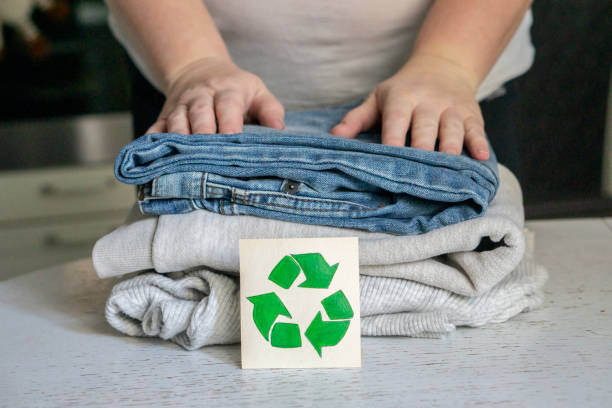
Think about the outfit you’re wearing right now. Where did it come from? Who made it? And more importantly, where will it go when you’re done wearing it?
For a long time, the fashion industry has operated on a simple, fast cycle: design a trend, mass-produce it cheaply, sell it, and throw it away a few months later when the next trend drops. This is called fast fashion, and while it makes shopping affordable, it is incredibly tough on the planet.
But things are changing fast. A massive movement is happening right now, and sustainability has transformed from a niche trend into a major career path.
If you love style but hate waste, you don't have to choose between your creativity and your conscience. A brand-new wave of future-proof, high-impact careers has emerged. Let’s look at how you can turn your passion for clothing into a career that actually protects the planet.
1. The Circular Designer
Traditional fashion designers usually stop thinking about a shirt the moment a customer buys it. But sustainable designers practice circular design—which means designing clothes with their entire life cycle in mind, including how they will eventually be recycled or broken down.
- The Job: You’ll use creative techniques like zero-waste pattern drafting (cutting fabric so not a single scrap hits the floor), modular design (making parts of a jacket or shoe easily replaceable), and upcycling (turning old clothes or waste materials into brand-new high-end style).
- The Vibe: Perfect for the artist who loves sketching, sewing, and rewriting the rules of style.
2. The Bio-Textile Developer
You can't make sustainable clothing out of plastic-based fabrics like cheap polyester. The fashion industry is facing a massive material shortage, and companies are turning to science to solve it.
- The Job: This role sits right at the intersection of fashion and science. You will work in a lab environment to research, test, and grow the fabrics of the future. We are talking about leather grown from mushroom roots (mycelium), silk made from orange peels, and biodegradable yarn spun from seaweed.
- The Vibe: Ideal if you love chemistry, biology, and materials science, but want to apply it to something highly visual and creative.
3. The Green Supply Chain Strategist
A clothing brand can claim to be "green" all day, but someone actually has to crunch the numbers and prove it.
- The Job: Supply chain strategists are the detectives of the fashion world. You will track a garment’s journey all the way from the organic cotton farm to the weaving factory, the shipping container, and finally the retail store. You'll analyze data to find ways to slash water usage, cut shipping emissions, and make sure garment workers are being paid fairly and treated safely.
- The Vibe: Perfect if you love data, puzzles, and logistics, and want to use business strategy to make global corporations act ethically.
The Hybrid Advantage
If you want a head start in this industry, the secret is learning to speak two languages at once. The most successful sustainable fashion professionals aren't just good at drawing or just good at math—they bridge both worlds:
How to Start Prepping in High School
You don’t have to wait for a college degree or a fashion school acceptance letter to start building your portfolio. Here are three things you can do from your bedroom today:
- Practice Digital Design: Minimize material waste by learning 3D clothing design software. Tools like CLO 3D or Blender have free trials and student versions. Learning to prototype a garment digitally before cutting a single piece of fabric is a massive green skill.
- Audit Your Own Closet: Take ten pieces of clothing from your wardrobe. Check the inner tags to see where they were manufactured and what fibers they are made of (e.g., 100% cotton vs. a polyester blend). Research how those materials are made. Understanding your own footprint is step one.
- Learn to Mend and Alter: Fast fashion thrives because people discard clothing over a tiny tear or a broken zipper. Learn the basics of hand-sewing, thrifting, and altering old garments. Turning a pair of old, stained jeans into a patched tote bag or custom shorts is circular design in action.
The Future of Style is Conscious
The fashion industry doesn't just need people who can design pretty things anymore; it needs innovators who can rebuild the entire system from scratch. By aligning your career goals with sustainability and material science, you aren't just stepping into a creative industry—you are ensuring that the future of self-expression doesn't come at the cost of our planet.