
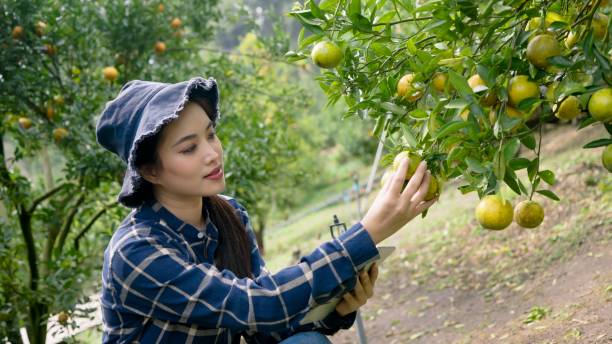
A Citriculturist is a professional who specializes in the cultivation, management, and study of citrus fruits such as oranges, lemons, limes, and grapefruits

A Seismologist is a specialized scientist who studies earthquakes and the Earth's internal structure, focusing on the causes, effects, and prediction of seismic activity through the analysis of seismic waves.

A Biometeorologist is a specialized scientist who studies the interactions between atmospheric conditions and living organisms, focusing on how weather and climate affect human health, agriculture, ecosystems, and animal behavior.

A Remote-Sensing / Earth-Observation Scientist is a specialized professional who uses satellite imagery, aerial data, and advanced technologies to monitor and analyze the Earth's surface, atmosphere, and oceans, contributing to insights in environmen

A Serologist is a specialized scientist who studies blood serum and other bodily fluids to understand immune responses, diagnose diseases, and develop medical treatments, focusing on the analysis of antibodies, antigens, and serological reactions
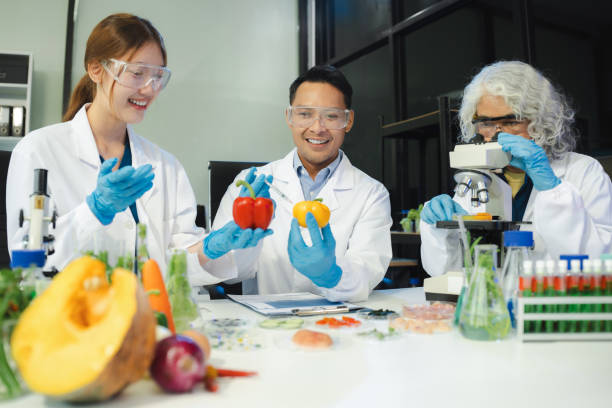
A Flavourist is a specialized scientific professional who creates and develops Flavours for food, beverages, and other consumer products by combining expertise in chemistry, sensory science, and culinary arts to enhance taste and aroma profiles.
A Histologist is a specialized scientist or technician who studies the microscopic structure of tissues to understand biological processes, diagnose diseases, and support medical research.
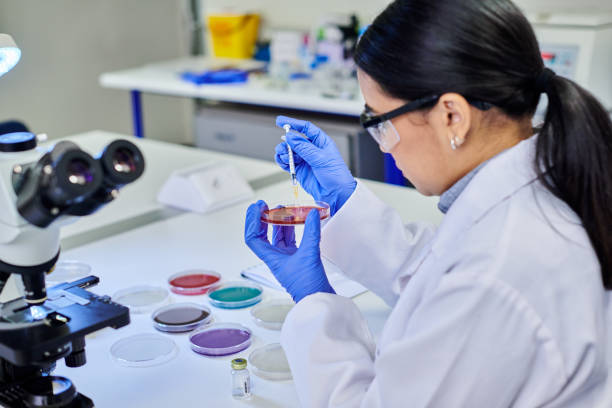
A Microbiologist is a specialized scientist who studies microorganisms such as bacteria, viruses, fungi, and algae, focusing on their structure, function, and interactions with other organisms and environments.
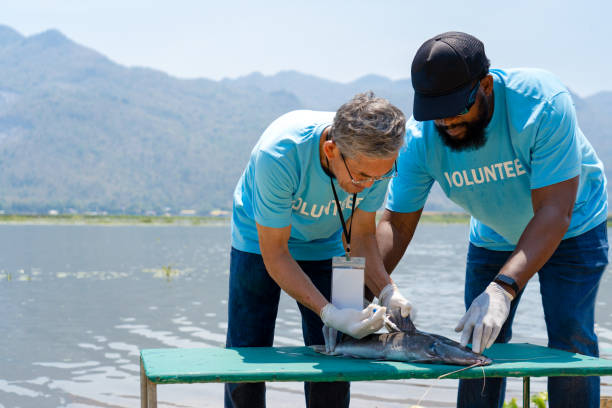
A Carcinologist is a specialized scientist who studies crustaceans, a diverse group of arthropods including crabs, lobsters, shrimp, and crayfish, focusing on their biology, ecology, behavior, and evolutionary relationships.
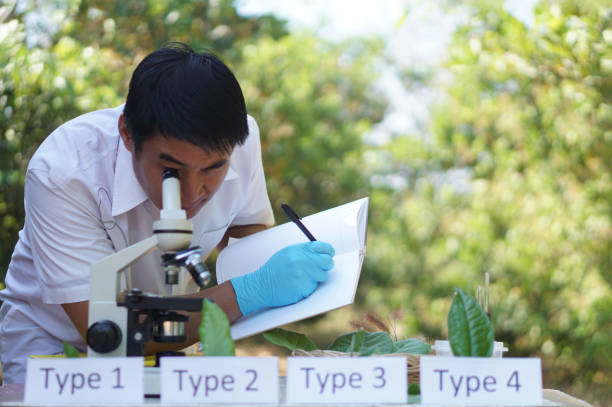
A Morphologist is a scientific professional who studies the form, structure, and development of organisms, focusing on the physical characteristics and anatomical features of plants, animals, or microorganisms, to understand biological processes and
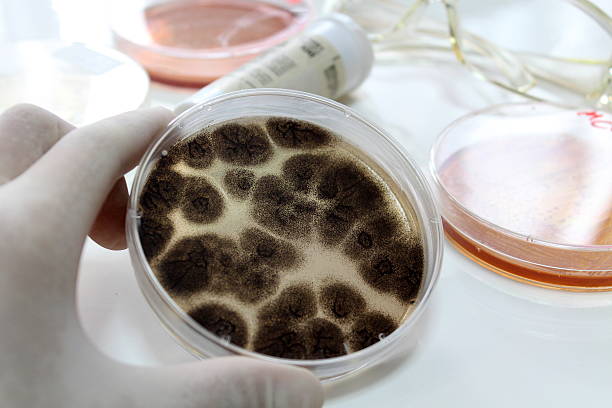
A Mycologist is a specialized scientist who studies fungi, including mushrooms, molds, yeasts, and lichens, focusing on their biology, ecology, genetics, and interactions with other organisms and environments
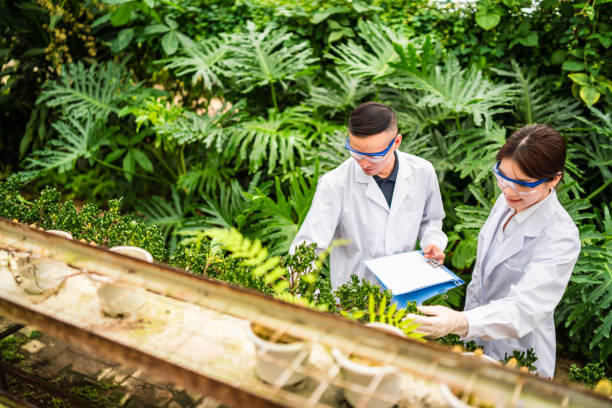
An Aerobiologist is a specialized scientist who studies airborne biological particles, such as pollen, spores, bacteria, and viruses, and their impact on ecosystems, human health, and agriculture.

A Mathematician is a scientific professional who studies and applies mathematical theories, concepts, and models to solve problems in science, engineering, business, and technology, contributing to advancements in various fields.
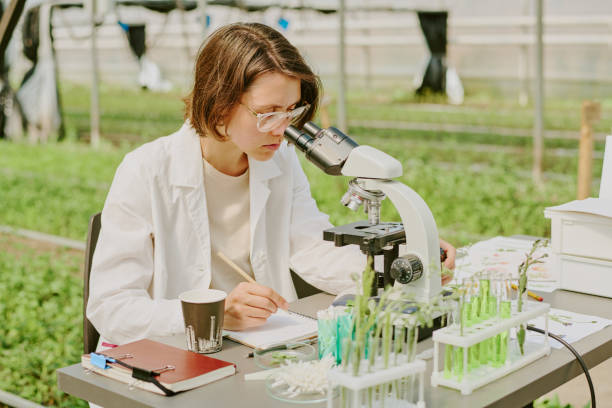
A Photobiologist is a specialized scientist who studies the interactions between light and living organisms, focusing on the biological, chemical, and physical effects of light on cells, plants, animals, and humans.
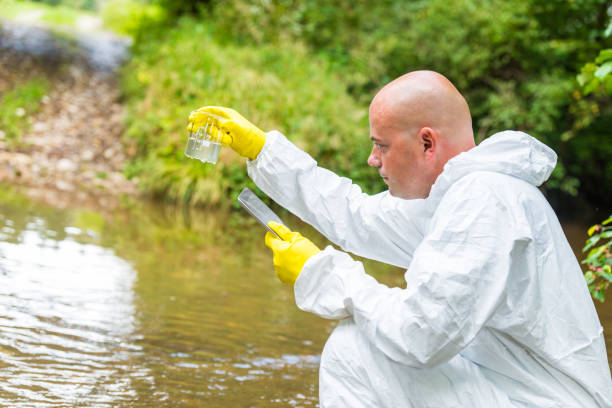
A Hydrobiologist is a specialized scientist who studies the biology of aquatic environments, focusing on organisms, ecosystems, and their interactions in water bodies such as rivers, lakes, and oceans.

A Biochemist is a scientist who studies the chemical processes and substances that occur within living organisms, focusing on molecules like proteins, DNA, and lipids to understand biological functions
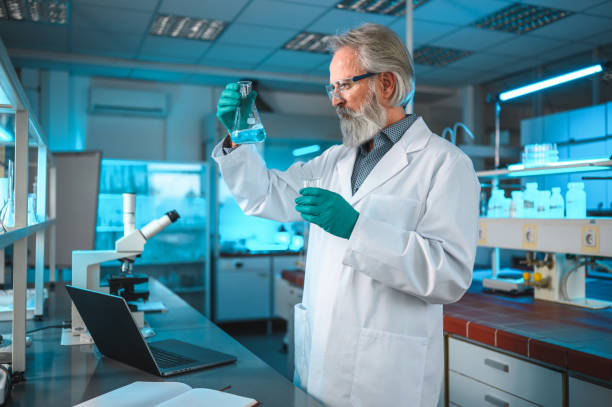
An Enzymologist is a specialized scientist who studies enzymes, the biological catalysts that drive chemical reactions in living organisms. They work in research institutions, universities, pharmaceutical companies, biotechnology firms, and healthcar
An Ecologist is a specialized scientist who studies the relationships between organisms and their environments, focusing on ecosystems, biodiversity, and conservation.
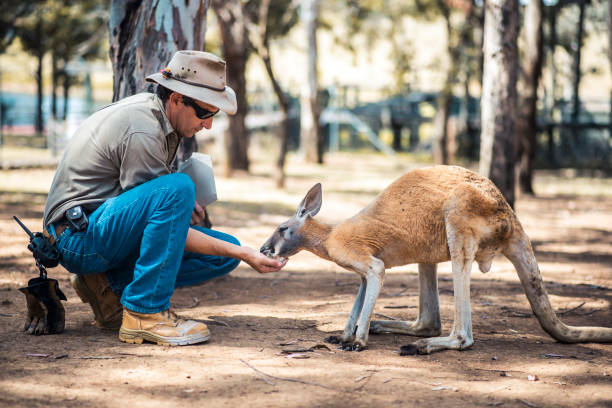
A Zoologist is a scientist who specializes in the study of animals, their behaviour, physiology, genetics, and interactions with their environments.
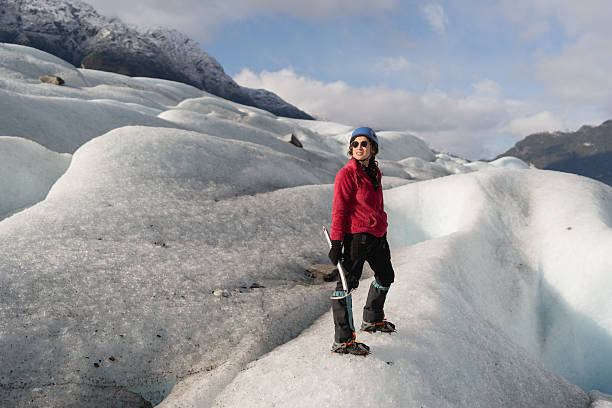
A Glaciologist is a specialized scientist who studies glaciers, ice sheets, and other forms of ice to understand their formation, movement, and impact on the environment

A Statistician is a specialized professional who collects, analyzes, and interprets numerical data to solve real-world problems, make informed decisions, and predict trends across various fields such as economics, healthcare, government, and technolo
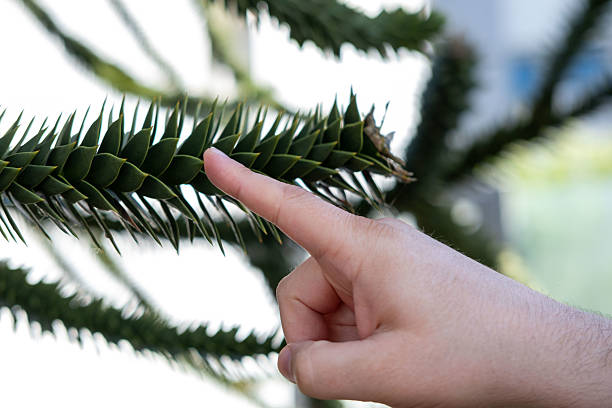
A Dendrologist is a specialized scientist who studies trees, focusing on their taxonomy, physiology, ecology, and conservation. They work within research institutions, universities, forestry departments, environmental organizations, and government ag
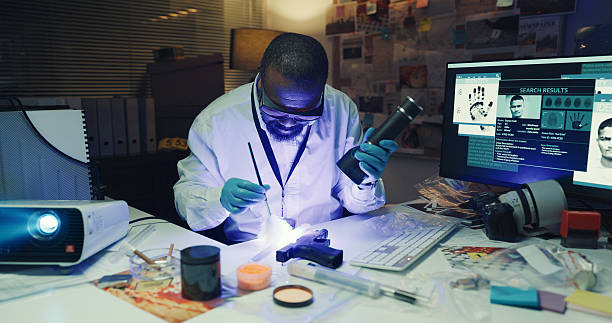
A Forensic Scientist is a scientific professional who applies scientific methods and principles to analyze evidence from crime scenes, assisting law enforcement in solving crimes and ensuring justice

A Horticulturalist is a scientific professional who specializes in the cultivation, management, and study of plants, focusing on improving plant growth, health, and productivity for agricultural, aesthetic, or environmental purposes.
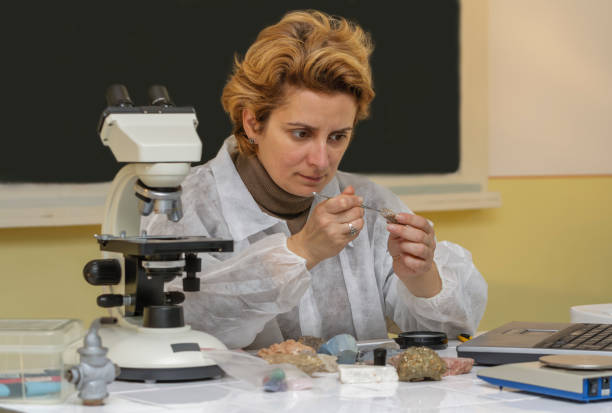
A Chronobiologist is a specialized scientist who studies biological rhythms and timing mechanisms in living organisms, including humans, animals, plants, and microorganisms
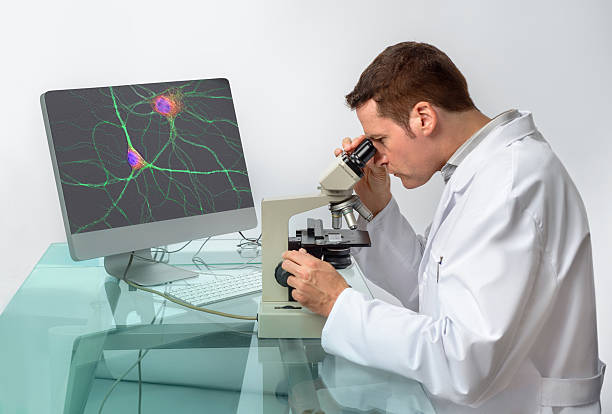
A Cytologist is a specialized scientist who studies cells, focusing on their structure, function, development, and pathology. They work within research institutions, universities, hospitals, diagnostic laboratories, and biotechnology companies.

A Gemmologist is a specialized professional who studies, identifies, and evaluates gemstones, focusing on their physical properties, origins, and value.
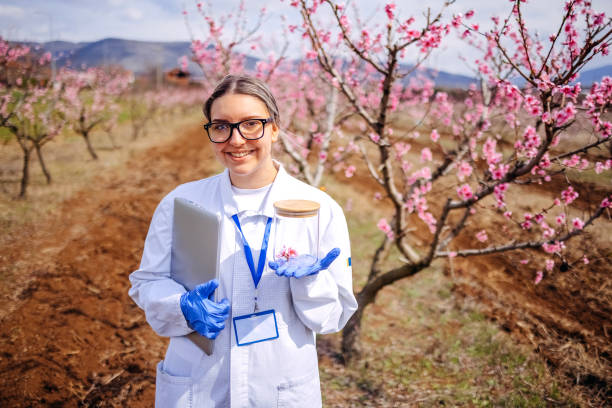
A Pomologist is a professional who specializes in the cultivation, management, and scientific study of fruit and nut crops, including apples, pears, peaches, cherries, and almonds.
A Marine Biotechnologist is a specialized professional who applies biotechnological techniques to study and harness marine organisms and ecosystems, contributing to advancements in pharmaceuticals, aquaculture, environmental conservation, and sustain

A Quantum Information Scientist is a specialized professional who studies and develops technologies based on quantum mechanics to process, store, and transmit information, contributing to advancements in computing, cryptography, and communication.

A Physicist is a scientist who studies the fundamental principles governing matter, energy, space, and time, seeking to understand the laws of nature through theoretical and experimental approaches.

A Virologist is a specialized scientist who studies viruses, their structure, function, and behaviour, to understand how they cause diseases, spread, and interact with hosts, contributing to advancements in medical research, public health, and vaccin
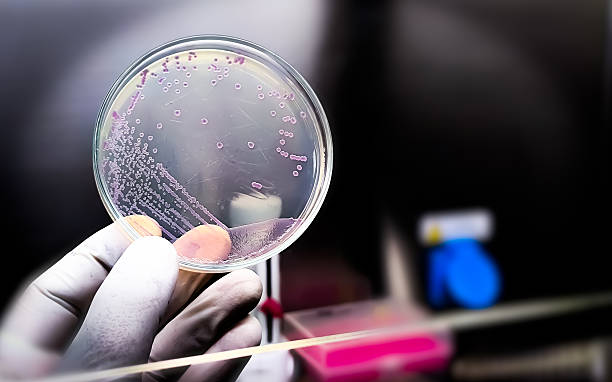
A Biologist is a scientific professional who studies living organisms, their interactions, and their environments to understand life processes, solve biological problems, and contribute to advancements in health, agriculture, and conservation
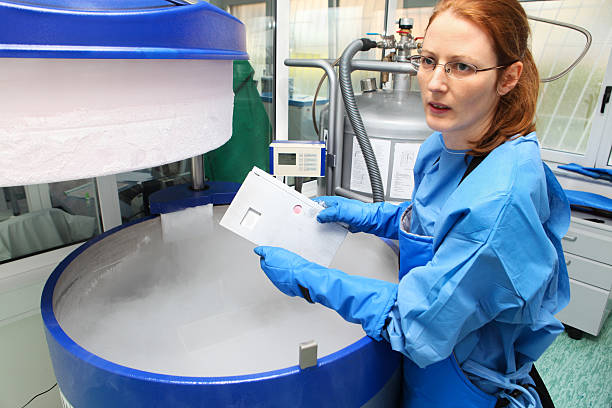
A Cryobiologist is a specialized scientist who studies the effects of low temperatures on living organisms, cells, tissues, and biological materials, focusing on their preservation, adaptation, and response to freezing conditions.

A Cosmologist studies the origin, evolution, and large-scale structure of the universe. They explore fundamental questions about the Big Bang, dark matter, dark energy, the fate of the universe, and the laws governing cosmic phenomena...
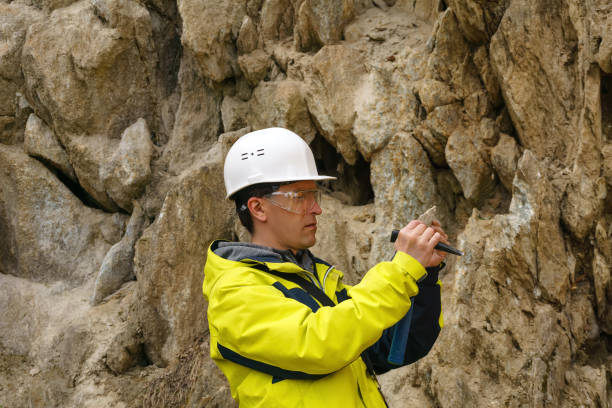
A Geochronologist is a specialized scientist who studies the age of rocks, minerals, fossils, and other Earth materials to understand the timing and duration of geological events.
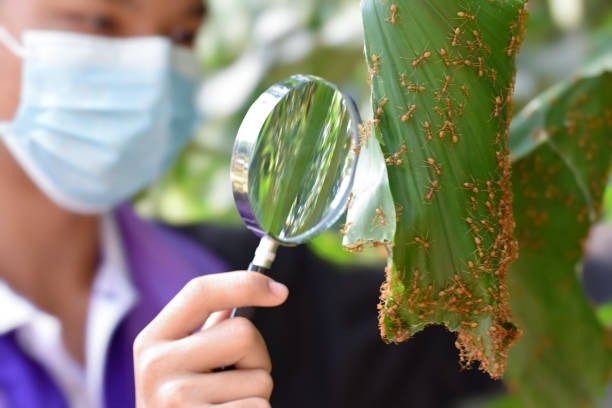
An Insectologist, also commonly referred to as an Entomologist, is a specialized scientist who studies insects, their biology, behavior, ecology, and interactions with humans and the environment

An Archaeozoologist is a specialized scientist who studies animal remains from archaeological sites to understand past human-animal interactions, ancient ecosystems, and cultural practices.
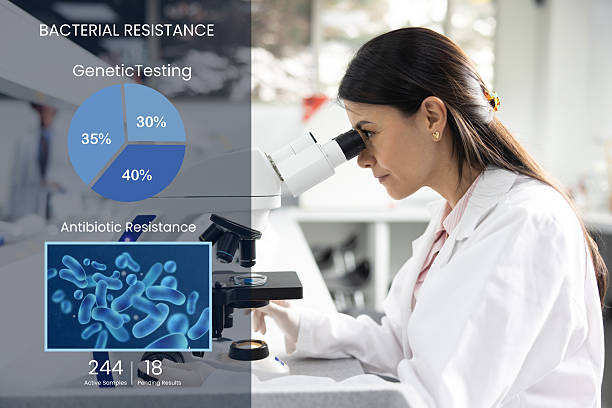
Bacteriologist
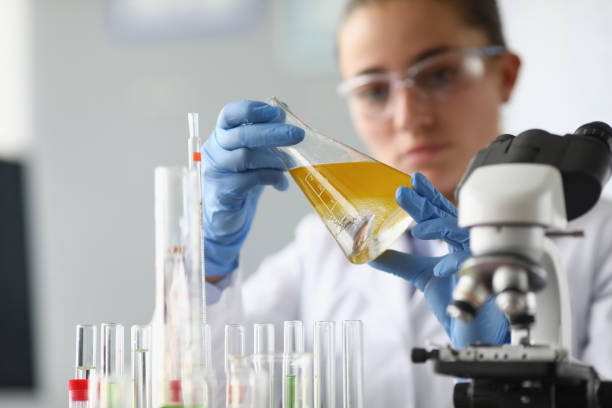
A Chemist is a scientific professional who studies the composition, structure, properties, and reactions of matter to develop new materials, solve industrial problems, and advance technologies in health, energy, and environmental sectors.

A Botanist is a scientist who studies plants, including their structure, function, evolution, distribution, and interactions with the environment.

A Scientist applies principles of research, experimentation, and analysis to expand human knowledge and solve complex problems across various domains such as physics, chemistry, biology, environmental science, and technology.

A Computational Chemist is a specialized professional who uses computer simulations, mathematical models, and theoretical methods to study chemical systems, predict molecular behaviour, and solve complex problems in chemistry, contributing to advance
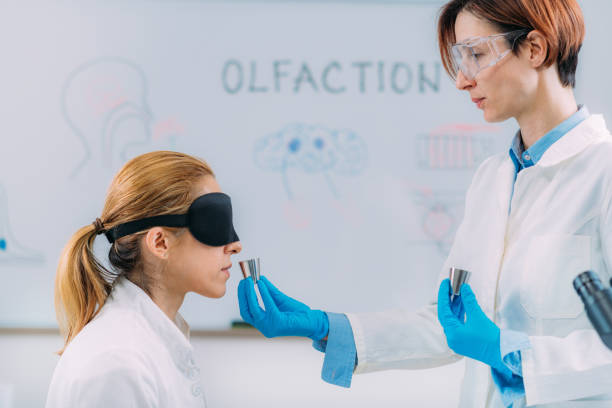
An Olfactologist is a specialized scientist who studies the sense of smell, focusing on the biology, chemistry, psychology, and cultural aspects of olfaction, as well as its applications in various industries and health contexts.

An Embryologist is a specialized scientist who studies the development of embryos, focusing on their formation, growth, and early stages of life, often in the context of reproductive biology and assisted reproductive technologies (ART)
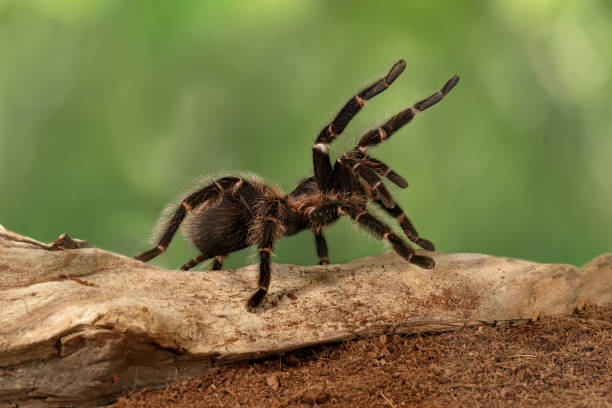
An Arachnologist is a specialized scientist who studies arachnids, including spiders, scorpions, mites, and ticks, focusing on their biology, behavior, ecology, and taxonomy
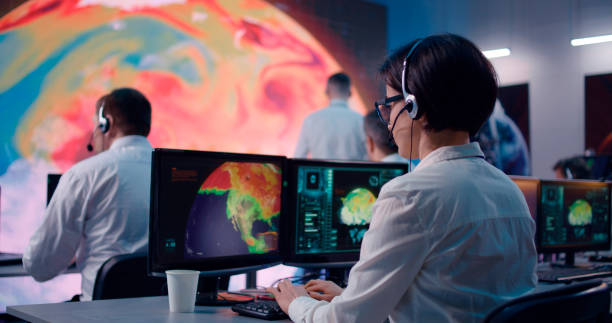
A Climate Scientist is a specialized professional who studies the Earth's climate system, including its patterns, changes, and impacts, to understand and predict climate behaviour, mitigate environmental risks, and inform policy for sustainable devel
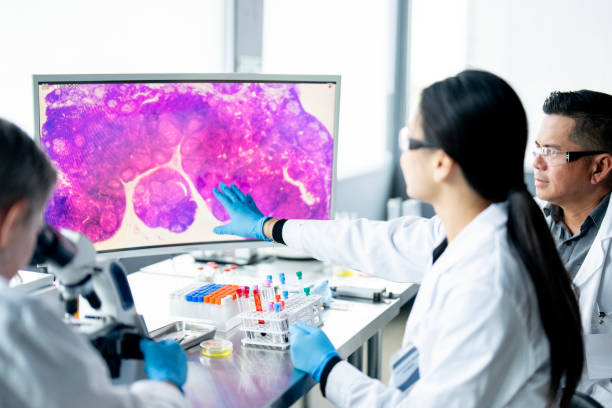
A Cancer Research Scientist is a specialized professional who investigates the causes, mechanisms, and potential treatments of cancer to improve patient outcomes, develop innovative therapies, and contribute to the global fight against this complex d
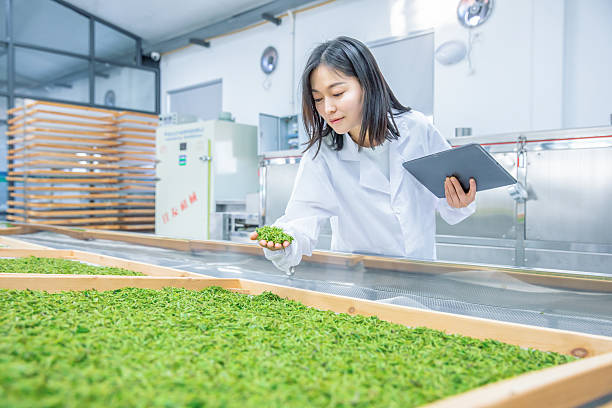
An Algologist, also known as a Phycologist, is a specialized scientist who studies algae, their biology, ecology, and applications in various fields.
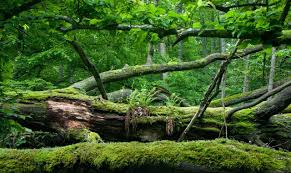
A Microclimatologist is a specialized scientist who studies microclimates, which are small-scale climate variations within specific environments, such as urban areas, forests, or agricultural fields.